

Mexico busts fuel smuggling ring linked to ex-governor Ruffo
Translated from Spanish, summarized and contextualized by DistantNews.
At a glance
News
Named sources
Outcome reported
- Mexican authorities identified a fuel smuggling network involved in importing and selling petroleum derivatives, leading to the arrest of former Baja California governor Ernesto Ruffo Appel.
- The network allegedly evaded taxes and falsified import information, declaring only 10% of the actual capacity of fuel transported in railcars.
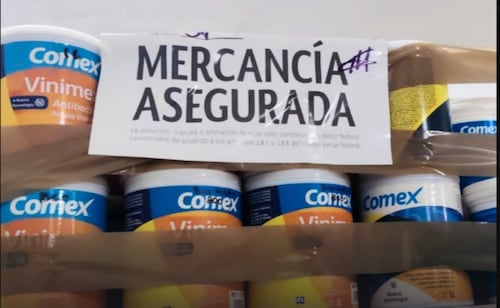
- Investigations began after 33 railcars of fuel were seized in Coahuila in July 2025, revealing a complex structure involving import companies, customs agencies, and transport firms.
Mexico's security cabinet has identified a sophisticated fuel smuggling ring that imported, sold, and distributed petroleum derivatives through alleged tax evasion and falsified product information. The operation has led to the arrest of former Baja California governor Ernesto Ruffo Appel.
In the investigation participated the Secretariat of National Defense, Secretariat of Security and Citizen Protection, the Attorney General's Office, Civil Protection, Petróleos Mexicanos and the National Customs Agency of Mexico.
President Claudia Sheinbaum Pardo announced the investigation involved multiple agencies, including the National Defense Secretariat and the Attorney General's Office. Security Secretary Omar García Harfuch stated the investigation took over a year, culminating in eight arrest warrants on July 16. The network reportedly declared only 10% of the actual capacity of each railcar it used.
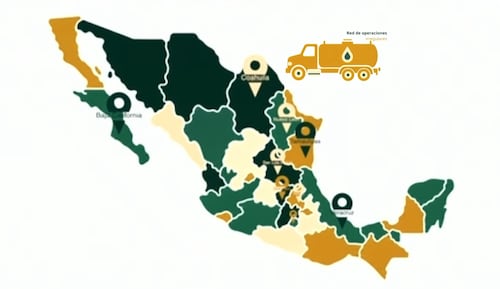
The investigation began after authorities seized 33 railcars containing hydrocarbons in Ramos Arizpe, Coahuila, in July 2025. Following the trail of the fuel, investigators identified the individuals and companies involved in its origin, transport, and destination. The ring's structure encompassed companies importing petroleum derivatives, customs agencies, port and rail service providers, and firms responsible for transport, sales, and distribution.
the investigation was carried out over more than a year and as a result, on July 16, eight arrest warrants were executed.
The operation started with importing petroleum derivatives from the United States. Upon entry into Mexico, smaller quantities than actual amounts were declared, or different products subject to lower taxes were reported. Customs agencies and authorized personnel allegedly facilitated these irregular import procedures. The fuel was then transported by rail to a discharge point, where it was transferred to trucks belonging to 17 different companies for distribution across the country.
said network declared only 10% of the real capacity of each ferrotanque.
DistantNews Editorial
Originally published by El Universal in Spanish. Translated, summarized, and contextualized by our editorial team with added local perspective. Read our editorial standards.
More Stories


From Our Blog

What Press Freedom Means for the News You Read

What Gets Lost (and Found) When News Is Translated

The Critical Role of Diaspora Media in Global News

What Travellers Should Know About Countries with Restricted Press

A Digital Nomad's Guide to Following Local News
