

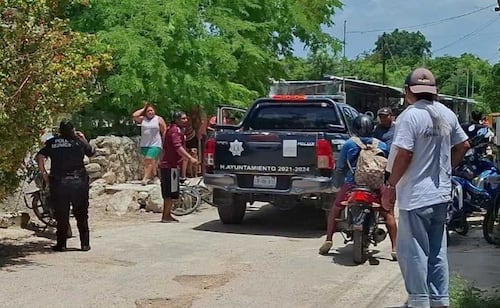

Mexico City Police Deploy 15,000 Officers for Summer Vacation Security Operation
Translated from Spanish, summarized and contextualized by DistantNews.
At a glance
News
Sources not specified
New plan
- - Mexico City police will deploy nearly 15,000 officers for a special summer vacation security operation.
- The operation, running from July 16 to August 30, aims to prevent crime and ensure public safety in high-traffic areas.
- Key locations for increased surveillance include commercial plazas, banks, public transport hubs, and tourist sites.
Mexico City authorities are launching a large-scale security operation to ensure safety during the summer vacation period. Nearly 15,000 police officers will be deployed across the capital's 16 boroughs, starting July 16 and continuing until August 30. The primary goal of this extensive deployment is to prevent crime and maintain public order, offering security to both residents and visitors throughout the holiday season. The operation involves various police units, including metropolitan, PBI, auxiliary police, and traffic control personnel, supported by a significant fleet of vehicles and a helicopter. Security efforts will concentrate on areas with high public concentration. This includes commercial centers, banks, ATMs, restaurants, cinemas, theaters, parks, forests, gardens, markets, and popular tourist destinations such as the Historic Center, Paseo de la Reforma, Santa Fe, Polanco, and Xochimilco. Enhanced presence will also be visible at major bus terminals, the Buenavista Suburban Train station, and various Modal Transfer Centers (CETRAM). The operation extends to the main highway entrances and exits of Mexico City, as well as the Mexico City International Airport (AICM), aiming to cover all potential points of entry and exit for travelers. Preventive measures will also focus on reducing crimes like street robbery, vehicle theft, and home burglaries, with an intensified "Pasajero Seguro" (Safe Passenger) operation on public transport.
DistantNews Editorial
Originally published by El Universal in Spanish. Translated, summarized, and contextualized by our editorial team with added local perspective. Read our editorial standards.
More Stories



From Our Blog

What Press Freedom Means for the News You Read

What Gets Lost (and Found) When News Is Translated

The Critical Role of Diaspora Media in Global News

What Travellers Should Know About Countries with Restricted Press

A Digital Nomad's Guide to Following Local News
