

Mexico City's rainy season starts early, with April rainfall tripling historical levels
Translated from Spanish, summarized and contextualized by DistantNews.
At a glance
News
Official statement
Context piece
- Mexico City is experiencing an early and intense rainy season, with April rainfall tripling historical averages.
- Officials attribute the heavy rains to soil structure, land subsidence, and climate change, particularly affecting the eastern part of the capital.
- Authorities are implementing an integral plan to mitigate flooding, including rehabilitation of the El Salado regulating basin.
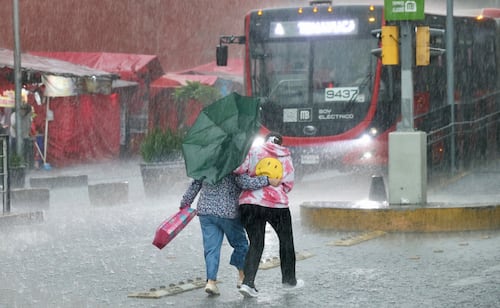
Mexico City's rainy season has arrived early and with unusual intensity, particularly in April, when precipitation levels tripled the historical average. José Mario Esparza Hernández, Secretary of Integral Water Management, confirmed the trend, noting that March and May also saw above-normal rainfall.
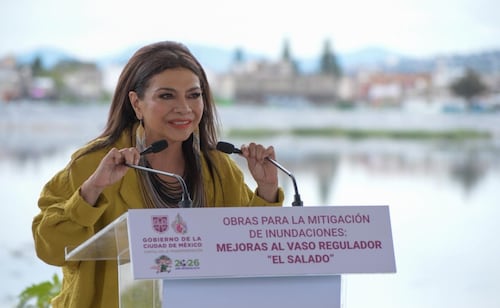
While the intensity is expected to decrease in June and July compared to last year, the rainy season will continue. The early onset and significant volume of rain have prompted authorities to accelerate work on an integral plan to address flooding. This plan includes ongoing projects like the rehabilitation of the El Salado regulating basin, which was recently delivered.
Clara Brugada, the head of government for the capital, highlighted that the eastern zone of the city is particularly vulnerable due to a combination of factors. These include the soil's structure, ongoing land subsidence, and the impacts of climate change. She explained that the area faces significant issues with cracks in the ground, leading to flooding, and that water runoff from the hills exacerbates the problem.
To combat these issues, authorities are working on a comprehensive strategy. This involves rehabilitating key infrastructure such as the El Salado basin, and the Teotongo and República Federal collectors, alongside the construction of new storm tanks. The goal is to mitigate the effects of heavy rainfall in the affected areas.
Here we have many problems with cracks and, therefore, flooding. And the other factor is that the waters from the hills come very strong and with so much force that they reach these areas causing damage.
DistantNews Editorial
Originally published by El Universal in Spanish. Translated, summarized, and contextualized by our editorial team with added local perspective. Read our editorial standards.
More Stories


From Our Blog

What Press Freedom Means for the News You Read

What Gets Lost (and Found) When News Is Translated

The Critical Role of Diaspora Media in Global News

What Travellers Should Know About Countries with Restricted Press

A Digital Nomad's Guide to Following Local News
