

Mexico: Military Activates Hurricane Preparedness Plan in Baja California Sur
Translated from Spanish, summarized and contextualized by DistantNews.
At a glance
News
Named sources
New plan
- Military units have activated Plan DNIII-E in Baja California Sur, Mexico, in preparation for the hurricane season.
- The plan includes reviewing machinery, inspecting risk areas like dry riverbeds, and mobilizing specialized teams.
- Baja California Sur has a history of significant hurricane impacts, with August and September being the peak risk months.
Military forces in Baja California Sur, Mexico, have initiated Plan DNIII-E, a preventative measure against potential hurricane impacts and flooding. This deployment comes as the region braces for the most active weeks of the hurricane season. General César Omar Quinn Ponce of the Third Military Zone explained that the preventive phase involves inspecting equipment and surveying high-risk zones, particularly dry riverbeds. He highlighted the state's historical vulnerability to these phenomena, recalling the devastating Hurricane Liza in 1976. For the current season, up to 21 tropical cyclones are predicted for the Pacific, prompting military units to remain on standby for rapid deployment.
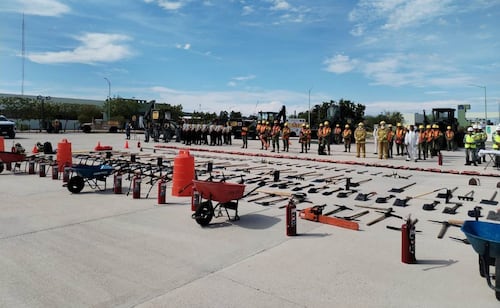
The engineering battalion is equipped with 13 heavy machinery units for debris removal and road recovery, four water purification plants, search and rescue gear, drones, and canine units. A community kitchen capable of producing 1,500 daily rations is also available. These resources are positioned to move into areas likely to be affected as soon as forecasts indicate a threat to the peninsula. The deployment also includes specialized teams focused on communication route security and assessment, alongside personnel trained for search, rescue, and evacuation operations.
Quinn Ponce emphasized that a key priority following any impact will be restoring road circulation to facilitate aid delivery to affected communities. The military's readiness aims to ensure a swift and effective response to minimize damage and support the population during emergencies.
BCS maintains a high historical exposure to these phenomena and that the months of August and especially September usually mark the period of greatest risk from more intense cyclones.
DistantNews Editorial
Originally published by El Universal in Spanish. Translated, summarized, and contextualized by our editorial team with added local perspective. Read our editorial standards.
More Stories
From Our Blog

What Press Freedom Means for the News You Read

What Gets Lost (and Found) When News Is Translated

The Critical Role of Diaspora Media in Global News

What Travellers Should Know About Countries with Restricted Press

A Digital Nomad's Guide to Following Local News
