


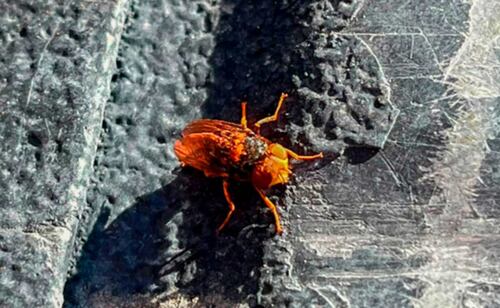
Mexico releases 40 million sterile flies in Chihuahua to combat cattle screwworm
Translated from Spanish, summarized and contextualized by DistantNews.
At a glance
News
Official statement
Outcome reported
- Mexico's Agriculture Ministry released 40.4 million sterile flies in Chihuahua to combat the cattle screwworm.
- The sterile flies are intended to mate with wild flies, preventing reproduction and controlling the pest.
- This effort is a coordinated initiative involving federal and state agricultural authorities and cattle ranchers.
Mexico's Secretariat of Agriculture and Rural Development has initiated a significant biological control measure against the cattle screwworm, releasing over 40 million sterile flies across 14 municipalities in Chihuahua. This operation, spanning from July 26 to August 21, aims to curb the spread of the pest that affects livestock.
The initiative involves releasing sterile insects, produced at a plant in Metapa de Domínguez, Chiapas, and supplemented by flies flown in from Panama. These sterile flies are designed to mate with the native wild population. As they are sterile, they do not produce offspring, effectively interrupting the screwworm's reproductive cycle and preventing infestations.
The dispersal of sterile flies will continue in the Samalayuca area and the Juárez Valley, with the installation and periodic supply of new release points in a programmed manner to expand territorial coverage.
New dispersal units are being installed and regularly supplied with sterile flies in strategic locations, particularly in the Juárez Valley and Samalayuca area. The flies are specially dyed for easier identification in the field during the dispersal process. This coordinated effort underscores the commitment to strengthening zoosanitary measures in the region.
The containment of the cattle screwworm is a collaborative effort involving the National Service of Health, Safety, and Agri-food Quality (Senasica), the Chihuahua state government, and the Regional Cattle Ranchers' Union of Chihuahua. The overarching goal is to maintain constant surveillance, employ biological control tools, and prevent the propagation of the pest, thereby safeguarding the health of Chihuahua's cattle industry.
The objective is to strengthen zoosanitary measures in the region, maintain permanent surveillance, and use biological control tools to prevent and combat the presence and propagation of the GBG, in order to reinforce the sanitary protection of Chihuahua's livestock.
DistantNews Editorial
Originally published by El Universal in Spanish. Translated, summarized, and contextualized by our editorial team with added local perspective. Read our editorial standards.
More Stories


From Our Blog

What Press Freedom Means for the News You Read

What Gets Lost (and Found) When News Is Translated

The Critical Role of Diaspora Media in Global News

What Travellers Should Know About Countries with Restricted Press

A Digital Nomad's Guide to Following Local News
