

Mexico's 2026 rainy season: When will the downpours end?
Translated from Spanish, summarized and contextualized by DistantNews.
At a glance
News
Sources not specified
Context piece
- Mexico is experiencing heavy rainfall and atmospheric instability due to moisture from both the Pacific and Atlantic oceans.
- The official rainy season, which began in mid-May, is expected to last until November 30, with peak intensity in August and September.
- Researchers link the intense storms to global climate variability and the transition to a "La Niña" phenomenon, exacerbated by rising ocean temperatures.
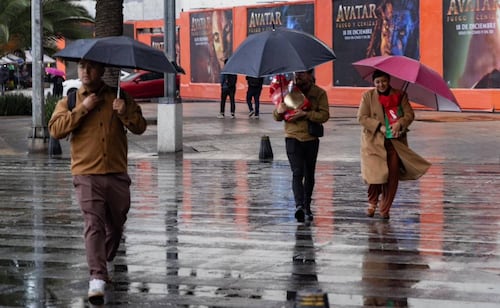
Much of Mexico remains on alert due to intensified rainfall and atmospheric instability, a situation driven by simultaneous moisture influx from both the Pacific and Atlantic oceans. This persistent weather pattern is generating thunderstorms and strong winds, disrupting daily life across the country.
Civil protection authorities and environmental monitoring systems are closely tracking low-pressure systems, as saturated soil increases risks in vulnerable areas. The official tropical cyclone and rainy season, which commenced in mid-May, is slated to formally conclude on November 30. This extended period means that cloud systems will continue to affect Mexico for several months, with the most intense rainfall typically occurring between August and September.
Scientists attribute the severity of the current storms to global climate variability. Researchers from the National Autonomous University of Mexico (UNAM) indicate that the transition towards a "La Niña" phenomenon favors atmospheric conditions conducive to more intense-than-usual storms. They further caution that rising ocean temperatures act as additional fuel for clouds, leading to torrential downpours that exceed historical average water accumulation levels.
Urban centers are particularly affected by the constant storms, where soil saturation poses a continuous threat. In response, Mexico City's Secretariat for Integral Risk Management and Civil Protection has issued recommendations to mitigate severe flooding risks. Authorities emphasize the importance of keeping streets clear of garbage, as accumulated waste is a primary cause of clogged drainage and sewage systems during heavy rains.
DistantNews Editorial
Originally published by El Universal in Spanish. Translated, summarized, and contextualized by our editorial team with added local perspective. Read our editorial standards.
More Stories
From Our Blog

What Press Freedom Means for the News You Read

What Gets Lost (and Found) When News Is Translated

The Critical Role of Diaspora Media in Global News

What Travellers Should Know About Countries with Restricted Press

A Digital Nomad's Guide to Following Local News
