

Mexico's PRI proposes reform for digital professional licenses, aims to fight forgery
Translated from Spanish, summarized and contextualized by DistantNews.
At a glance
News
Named sources
New plan
- The PRI party in Mexico's Congress proposed a reform to digitize professional licenses and combat document forgery.
- The initiative aims to help professionals who received their degrees before digitalization obtain electronic licenses through clear, verifiable procedures.
- This reform seeks to strengthen legal certainty, simplify credential verification, and prevent academic fraud.
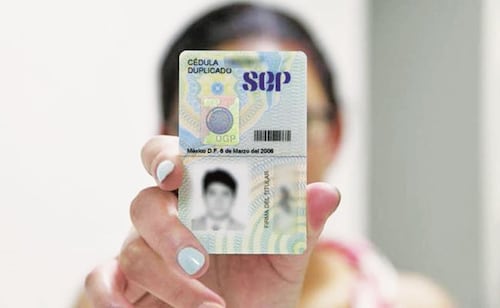
Mexico's Institutional Revolutionary Party (PRI) has introduced a legislative proposal to modernize the country's professional registration system. The reform aims to enable professionals who obtained their degrees and licenses before the widespread adoption of digital systems to access electronic professional identification.
although since 2018 the registration of titles and the issuance of professional licenses have advanced towards electronic schemes, thousands of professionals still face difficulties in incorporating into these systems due to the issuance of their documents in physical format.
The PRI's congressional bloc argues that while Mexico has moved towards electronic title registration and license issuance since 2018, thousands of professionals still face hurdles. This is due to their original documents being issued in physical format, creating a disparity and limiting career, academic, and professional mobility opportunities.
this situation generates inequality between generations and limits professional, academic, and professional mobility opportunities.
The proposed legislation would add new articles to the law governing Article 5 of the Constitution. It would mandate the General Directorate of Professions to establish a permanent procedure for integrating, validating, digitizing, and electronically registering professional titles, specialty diplomas, and academic degrees issued prior to the digital era. Crucially, the absence of an original electronic file would not be grounds to deny a license, provided the applicant can credibly prove the authenticity and validity of their studies through official records, historical archives, certified copies, or institutional attestations.
the absence of an original electronic file will not constitute sufficient cause to deny the registration or issuance of an electronic professional license, provided that the interested person credibly proves the authenticity and validity of their studies through official records, historical archives, certified copies, or institutional attestations.
Supporters of the initiative emphasize that it will enhance legal certainty, streamline the verification of academic credentials, and actively combat document forgery. The proposal also includes mechanisms for collaboration between educational institutions and relevant authorities to ensure document authenticity and prevent irregularities. This move is seen as a significant step toward modernizing professional recognition in Mexico and ensuring equal opportunities for all qualified individuals.
the initiative strengthens legal certainty, facilitates the verification of academic credentials, and contributes to the fight against document forgery.
DistantNews Editorial
Originally published by El Universal in Spanish. Translated, summarized, and contextualized by our editorial team with added local perspective. Read our editorial standards.
More Stories


From Our Blog

What Press Freedom Means for the News You Read

What Gets Lost (and Found) When News Is Translated

The Critical Role of Diaspora Media in Global News

What Travellers Should Know About Countries with Restricted Press

A Digital Nomad's Guide to Following Local News
