


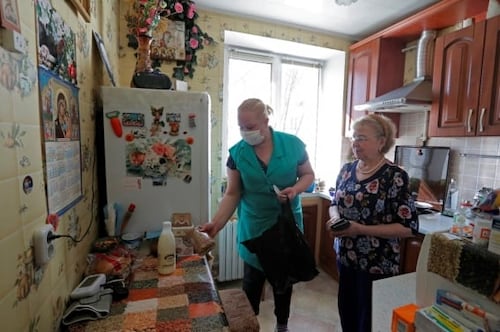
Mexico's Secretariat of Women Launches National Strategy to Establish Care System
Translated from Spanish, summarized and contextualized by DistantNews.
At a glance
News
Official statement
New plan
- Mexico's Secretariat of Women is advancing a national strategy to establish a progressive care system, aiming to redistribute caregiving responsibilities.
- The initiative involves training, community consultations, and institutional coordination to foster a culture of shared responsibility, as women currently perform three out of every four caregiving tasks.
- Key actions include institutional seminars, community training sessions in various states, and regional assemblies to gather input from diverse groups of women.
Mexico's Secretariat of Women is spearheading a national strategy to build a progressive system of care, seeking to redistribute the labor of caregiving among families, the state, men, and society. This initiative is particularly crucial in a country where women shoulder the vast majority of caregiving responsibilities, accounting for three out of every four caregivers.
The Secretariat of Women strengthened the construction of the National and Progressive Care System through a national strategy of training, community consultation, and institutional articulation that seeks to redistribute care tasks among families, the State, men, and society, in a country where three out of every four caregivers are women.
The Secretariat, through its Directorate of Care Policies, has launched extensive training and social participation programs. These efforts aim to cultivate a new culture of co-responsibility and ensure the right to care for all citizens. A significant component of this strategy was the institutional seminar series, "Let's Talk About Care." This forum, comprising six in-person and virtual sessions, brought together 1,099 participants from federal, state, and municipal agencies, as well as local congress members.
The seminar's objective was to foster consensus and establish a common framework for discussing critical issues such as the right to care, new masculinities, substantive equality, and the advancement of women's rights. Concurrently, the Secretariat partnered with the Secretariat of Public Education (SEP) to implement "Let's Learn About Care" community training sessions. These sessions aim to bring care-related discussions directly to local communities and boost social engagement.
The objective of this exercise was to generate consensus and build a common frame of reference on issues related to the right to care, new masculinities, substantive equality, and the strengthening of women's rights.
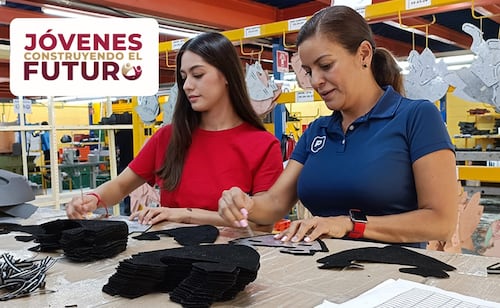
The initial phase of these community trainings took place in 25 communities across nine states: Campeche, Mexico City, Chihuahua, State of Mexico, Oaxaca, Quintana Roo, Sinaloa, Sonora, and Tabasco. To further integrate diverse perspectives, the Secretariat organized six Regional Care Assemblies. These assemblies, held in various regions including Nayarit, Baja California, Oaxaca, and Jalisco, gathered 986 women from priority groups such as agricultural laborers, maquiladora workers, and indigenous women. They shared their daily challenges in performing care tasks due to insufficient basic infrastructure and public services. The information gathered will be instrumental in guiding the National and Progressive Care System and ensuring that policies effectively address the specific realities of Mexico's diverse regions.
They exposed the daily challenges they face in performing care work due to the lack of basic infrastructure and sufficient public services.
DistantNews Editorial
Originally published by El Universal in Spanish. Translated, summarized, and contextualized by our editorial team with added local perspective. Read our editorial standards.
More Stories

From Our Blog

What Press Freedom Means for the News You Read

What Gets Lost (and Found) When News Is Translated

The Critical Role of Diaspora Media in Global News

What Travellers Should Know About Countries with Restricted Press

A Digital Nomad's Guide to Following Local News
