



Mexico's Top Court Rules Charges in ABC Daycare Fire Case Do Not Expire
Translated from Spanish, summarized and contextualized by DistantNews.
At a glance
News
Sources not specified
Outcome reported
- Mexico's Supreme Court ruled that charges related to the 2009 ABC Daycare fire are imprescriptible.
- The ruling came in response to an appeal by a former IMSS official seeking to avoid prosecution for his alleged role in the tragedy.
- The court affirmed that the passage of time does not prevent the state from investigating the incident, aiming to prevent impunity and ensure victim reparations.
Mexico's Supreme Court of Justice (SCJN) has declared that charges stemming from the tragic ABC Daycare fire, which claimed the lives of 49 children in Hermosillo, Sonora, on June 5, 2009, are imprescriptible. This means the possibility of prosecuting those responsible will not expire with time.
The landmark decision arose from an appeal filed by Sergio Antonio Salazar Salazar, a former director of Economic and Social Benefits at the Mexican Social Security Institute (IMSS). Salazar sought to have charges of culpable homicide and negligent omission, for which he was linked to proceedings in 2020, dismissed on grounds of prescription. However, the nation's highest court rejected his claim.
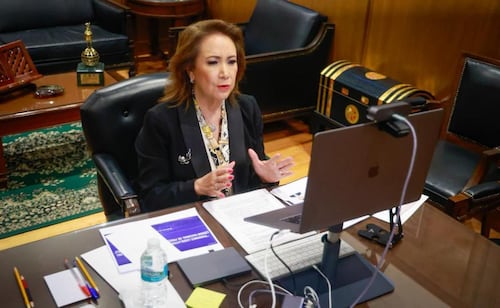
In its ruling, the SCJN project, led by Justice Loretta Ortiz Ahlf, emphasized that an "imprescriptible" criminal action allows the state to investigate wrongdoing regardless of how much time has passed. This principle is crucial for clarifying events, combating impunity, and ensuring comprehensive reparations for victims. The court referenced a previous ruling that deemed the ABC Daycare fire a grave violation of individual rights.
Justice Ortiz Ahlf highlighted the applicability of a provision in the General Law on the Rights of Children and Adolescents, which prohibits declaring prescription to the detriment of children, recognizing their vulnerable status at the time of the incident. The full court supported this project, deeming the former IMSS official's arguments unfounded. The case has now been returned to a collegiate court for further proceedings based on this new legal criterion.
DistantNews Editorial
Originally published by El Universal in Spanish. Translated, summarized, and contextualized by our editorial team with added local perspective. Read our editorial standards.
More Stories

From Our Blog

What Press Freedom Means for the News You Read

What Gets Lost (and Found) When News Is Translated

The Critical Role of Diaspora Media in Global News

What Travellers Should Know About Countries with Restricted Press

A Digital Nomad's Guide to Following Local News
