

Mexico's World Cup Victories Boost Sales, Generating 45 Billion Pesos
Translated from Spanish, summarized and contextualized by DistantNews.
At a glance
News
Sources not specified
Context piece
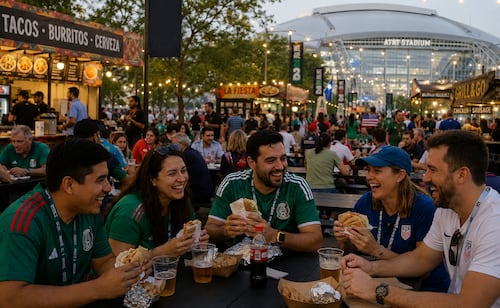
- Mexico's third and fourth victories in the 2026 World Cup spurred increased sales for businesses, hotels, and restaurants, generating an estimated 45 billion pesos.
- The economic impact, spanning from June 11 to June 30, is attributed to the festive atmosphere and the welcoming nature of Mexicans towards foreign visitors.
- Major host cities like Mexico City, Guadalajara, and Monterrey saw the most significant economic activity, with sales expected to continue until the tournament's end on July 19.
Mexico's success in the 2026 World Cup has significantly boosted the country's economy, with businesses, hotels, and restaurants reporting increased sales. The Mexican national team's third and fourth victories have fueled a festive atmosphere, leading the Confederation of National Chambers of Commerce, Services, and Tourism (Concanaco-Servytur) to estimate an economic windfall of 45 billion pesos.
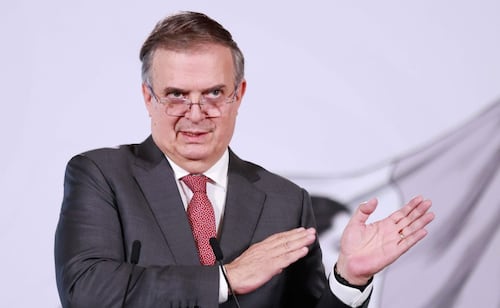
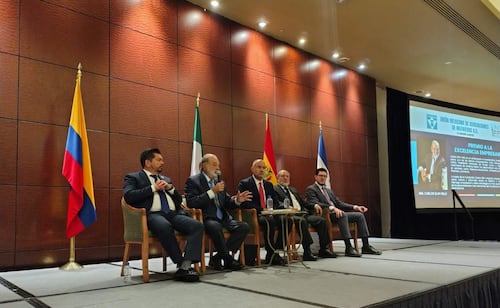
Octavio de la Torre, president of Concanaco-Servytur, stated that the economic impact, calculated from June 11 to June 30, is already reaching the projected 45 billion pesos. He noted that the celebrations grew progressively, coinciding with the end of teachers' protests and amplified by the national team's triumphs. This surge in sporting euphoria, combined with Mexicans' warm hospitality towards foreigners, has fostered tourist confidence and driven sales.
The economic benefits are most concentrated in the host cities of Mexico City, Guadalajara, and Monterrey, which housed World Cup matches. While the final match in Mexico is scheduled for Sunday, sales are anticipated to continue until July 19, the tournament's closing date. De la Torre expects the total economic impact to approach the initially forecasted 65 billion pesos, driven by substantial mobilization in consumption, particularly in restaurants, hotels, and commerce, especially for products related to the ongoing celebrations.
He observed that sales in the first two weeks were lower than in the third week, with increased hotel occupancy in host cities and higher demand for short-term housing rentals. The positive impact has extended beyond the host cities, as foreign visitors are exploring other regions. De la Torre expressed gratitude to Mexican citizens for their celebratory behavior, which has positively transformed foreign visitors' perceptions of the country.
DistantNews Editorial
Originally published by El Universal in Spanish. Translated, summarized, and contextualized by our editorial team with added local perspective. Read our editorial standards.
More Stories
From Our Blog

What Press Freedom Means for the News You Read

What Gets Lost (and Found) When News Is Translated

The Critical Role of Diaspora Media in Global News

What Travellers Should Know About Countries with Restricted Press

A Digital Nomad's Guide to Following Local News
