


Mexico Senate advances animal welfare bill, setting owner obligations
Translated from Spanish, summarized and contextualized by DistantNews.
At a glance
News
Sources not specified
New plan
- Mexico's Senate is advancing a bill to establish a general law for animal welfare, care, and protection.
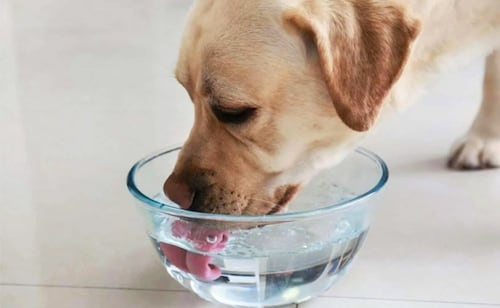
- The proposed law outlines specific obligations for pet owners, including providing adequate food, water, and veterinary care.
- It aims to recognize animals as sentient beings, prevent mistreatment, and promote a culture of respect.
Mexico's Senate is moving forward with a comprehensive law aimed at protecting animals. The proposed "General Law on Animal Welfare, Care, and Protection" establishes clear responsibilities for pet owners. These include ensuring pets receive sufficient food and water, have adequate and safe living spaces, and receive necessary veterinary attention. The law also mandates protection against extreme weather, accidents, and other risks, and prohibits abandonment and mistreatment.
The legislation seeks to legally recognize animals as sentient beings capable of experiencing pain, fear, stress, pleasure, and well-being. Its overarching goal is to foster coordinated public policies for animal protection and prevent acts of cruelty, zoophilia, and unnecessary physical alterations for aesthetic purposes. The bill encourages participation from public, social, and private sectors to promote a culture of respect for animals.
This initiative aims to develop instruments for public policy that protect and ensure the welfare of animals. It also seeks to prevent various forms of abuse and suffering, including zoophilia and cosmetic alterations. The Senate's Commission on Environment, Natural Resources, and Climate Change presented the draft for approval, marking a significant step toward enhancing animal rights in Mexico.
recognize animals as sentient beings susceptible of appropriation, subjects of protection and use by human beings, as well as promote adequate treatment and conservation of them.
DistantNews Editorial
Originally published by El Universal in Spanish. Translated, summarized, and contextualized by our editorial team with added local perspective. Read our editorial standards.
More Stories



From Our Blog

What Press Freedom Means for the News You Read

What Gets Lost (and Found) When News Is Translated

The Critical Role of Diaspora Media in Global News

What Travellers Should Know About Countries with Restricted Press

A Digital Nomad's Guide to Following Local News
