


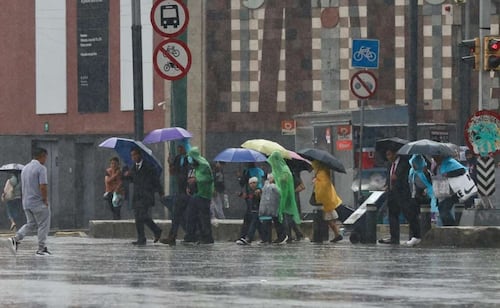

Mexico to expand cellphone alerts to hurricanes, floods and fires
Translated from Spanish and summarized by DistantNews. Read the original for the full story.
At a glance
News
Official statement
New plan
- Mexico's telecommunications regulator will expand the cellphone alert system to cover hurricanes, floods, fires, volcanic activity and landslides, in addition to earthquakes.
- The new system will also send civil protection notices about severe weather and environmental emergencies, potentially hours or days in advance.
- Alerts will appear immediately without requiring phone credit or an internet connection, and users will not be able to disable them.
Mexico is preparing to make its cellphone alert system cover far more than earthquakes. From the final quarter of the year, phones will receive a new Maximum Alert for other natural hazards, with a sound different from the earthquake warning already used across the country.
The expanded system will cover hurricanes, floods, fires, volcanic activity and landslides, among other phenomena that could threaten the public. The earthquake alert will continue operating without changes.
The telecommunications regulator is also introducing Civil Protection Notices. Authorities will be able to use them to warn people in advance about severe rain, extreme cold fronts, heat waves and poor air quality. Unlike immediate alerts, these notices may arrive hours or days beforehand, allowing authorities to issue recommendations and giving residents more time to prepare, evacuate or seek shelter. They may also be used after an emergency to communicate follow-up instructions.
The alerts will not require phone credit or an internet connection. For public safety reasons, users will not be able to turn them off. Messages will appear immediately in a pop-up window on the device. Providers will make the necessary technical changes during the final quarter of the year before the expanded system is implemented.
About this summary
Originally published by El Universal in Spanish. Translated, summarized, and contextualized automatically by DistantNews, with a note on how the source frames the story. Not individually reviewed before publishing. How this works.
More Stories

From Our Blog

What Press Freedom Means for the News You Read

News in Translation: What Gets Lost, and How We Keep the Framing

Diaspora Media: How Communities Follow News From Home

Traveling Where the Press Is Not Free: How to Read the News There

The Digital Nomad's Guide to Local News
