


Mexico to Keep Investment Grade Despite Downgrades, UBS Says; Uncertainty Dampens Investment
Translated from Spanish, summarized and contextualized by DistantNews.
At a glance
News
Named sources
Context piece
- Mexico is expected to maintain its investment grade despite rating agency adjustments, according to UBS.
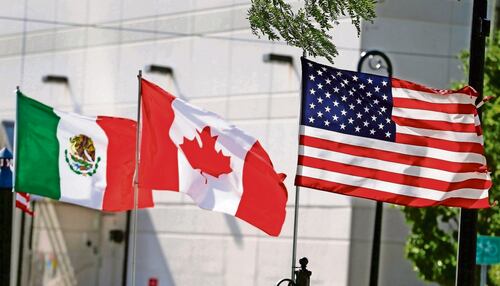
- Uncertainty stemming from factors like T-MEC negotiations and institutional concerns continues to hinder investment and economic growth.
- UBS highlights structural strengths such as the central bank's credibility and integration with the U.S. as key to maintaining the investment grade.
Mexico will likely retain its investment grade in the coming years, even with recent adjustments by rating agencies, but faces persistent uncertainty that is dampening investment and limiting economic growth, UBS warned. The financial firm noted that recent moves by Moody's and S&P do not signal an imminent loss of investment grade. Instead, they reflect risks already factored into market valuations. UBS's base scenario projects Mexico maintaining its status due to structural strengths like central bank credibility, deep financial markets, and close economic ties with the United States. However, UBS pointed out that Mexico's room for maneuver has narrowed. While the economy shows macroeconomic stability with falling inflation, a solid banking system, and manageable debt levels compared to other emerging markets, factors are impacting long-term investment decisions. The rating agency adjustments highlight concerns about the gradual deterioration of Mexico's medium-term economic growth and fiscal outlook. The primary challenge is not financial instability or a breakdown in North American integration, but rather the persistent uncertainty that is stifling investment and growth potential, UBS explained. Key risks include the review of the USMCA (T-MEC) trade agreement. Investors do not anticipate a rupture, but rather a prolonged negotiation process and periodic reviews that could extend uncertainty about future regional trade rules. This lack of clarity particularly affects manufacturing and infrastructure projects requiring multi-year planning horizons, leading some companies to postpone investments. Internal factors, such as judicial reform and the weakening of autonomous bodies, have also raised concerns about institutional certainty, the rule of law, and governmental effectiveness. Although the incoming administration under President Claudia Sheinbaum has signaled a more pragmatic approach to private investment, participants remain cautious.
DistantNews Editorial
Originally published by El Universal in Spanish. Translated, summarized, and contextualized by our editorial team with added local perspective. Read our editorial standards.
More Stories

From Our Blog

What Press Freedom Means for the News You Read

What Gets Lost (and Found) When News Is Translated

The Critical Role of Diaspora Media in Global News

What Travellers Should Know About Countries with Restricted Press

A Digital Nomad's Guide to Following Local News
