


MFDS: 'Ole Shot' Ads Lack Scientific Basis, Warns of Consumer Harm
Translated from Korean, summarized and contextualized by DistantNews.
At a glance
News
Sources not specified
New plan
- South Korea's Ministry of Food and Drug Safety (MFDS) stated that online advertisements for
South Korea's Ministry of Food and Drug Safety (MFDS) has repeatedly stated that online advertisements promoting "Ole Shot" for anti-aging and weight loss lack scientific evidence. The ministry is concerned that unsubstantiated information spreading through viral marketing could lead to consumer harm.
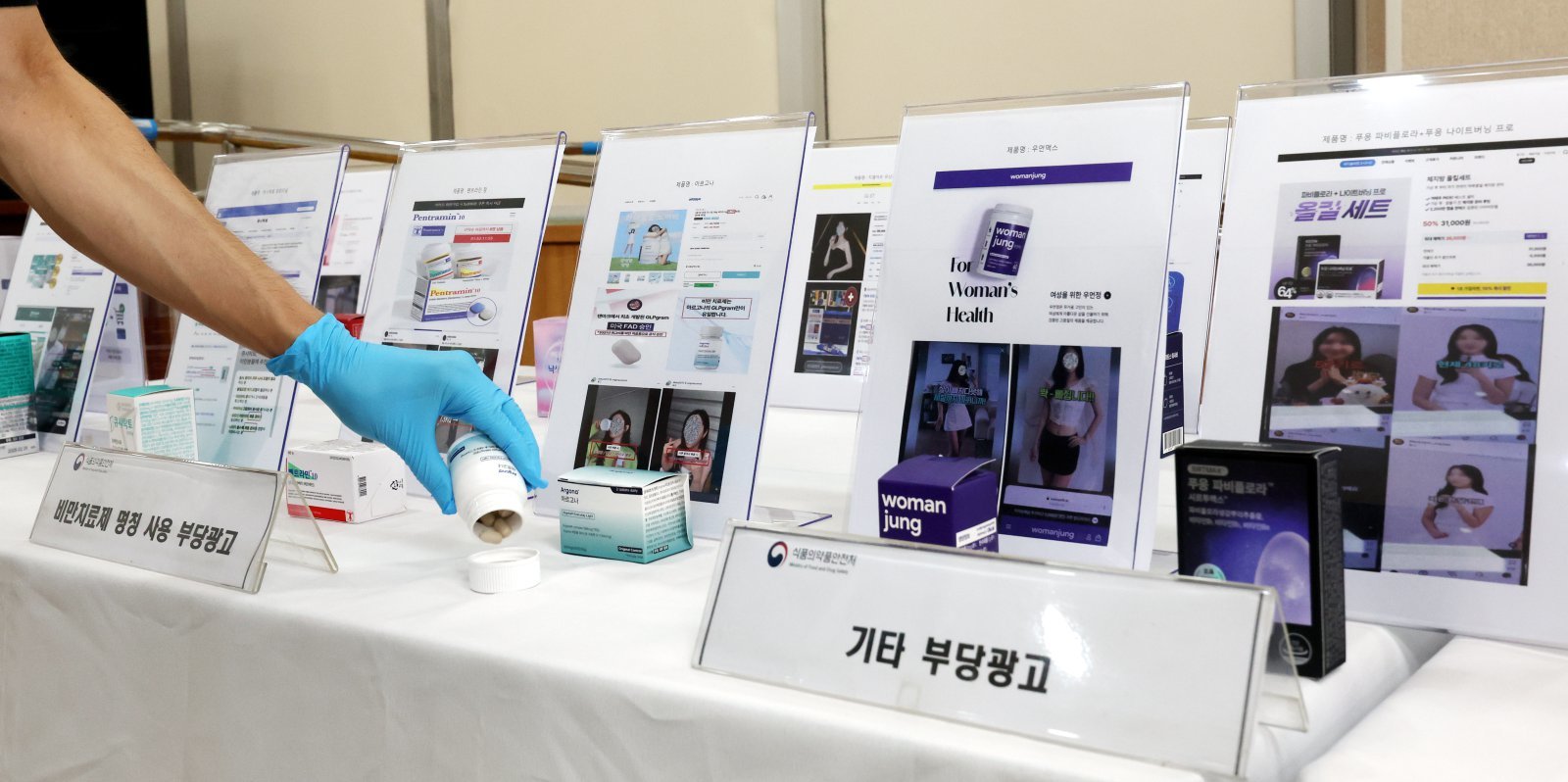
During a policy review meeting on August 4, MFDS Commissioner Oh Yu-kyung addressed the issue. Oh Gyu-seop, head of the food safety policy division, shared findings from an inspection of misleading advertisements, including those for "Ole Shot" and "oral semaglutide" products. These products gained popularity amid increased demand for weight loss solutions during the summer.
We focused on inspecting misleading advertisements for foods sold online that claim weight loss effects, driven by the spread of trends like Ole Shot and oral semaglutide.
"We focused on inspecting misleading advertisements for foods sold online that claim weight loss effects, driven by the spread of trends like Ole Shot and oral semaglutide," Oh Gyu-seop explained. The inspection identified 26 companies that violated the Food Sanitation Act by misrepresenting general foods as pharmaceuticals or health functional foods. These companies sold products worth approximately 11.5 billion won (about $9.5 million USD) through deceptive advertising. They face administrative actions and criminal charges.
The companies exploited popular trends, marketing olive oil not only for weight loss but also for detoxification and other unproven benefits. The MFDS emphasized that such baseless claims, when amplified by viral marketing, pose a significant risk to consumers.
The inspection identified 26 companies that violated the Food Sanitation Act by misrepresenting general foods as pharmaceuticals or health functional foods. These companies sold products worth approximately 11.5 billion won (about $9.5 million USD) through deceptive advertising.
DistantNews Editorial
Originally published by Dong-A Ilbo in Korean. Translated, summarized, and contextualized by our editorial team with added local perspective. Read our editorial standards.
More Stories


From Our Blog

What Gets Lost (and Found) When News Is Translated

The Critical Role of Diaspora Media in Global News

What Travellers Should Know About Countries with Restricted Press

A Digital Nomad's Guide to Following Local News

How the Same Story Looks Different in Different Countries
