

Microfinance was supposed to save Asia’s poor. Why has it failed to live up to its promise?
Summarized and contextualized by DistantNews.
At a glance
Analysis
Sources not specified
Context piece
- Microfinance, intended to lift Asia's poor out of poverty by providing small loans, has largely failed to deliver on its promise.
- A key issue is the flawed assumption that poor households primarily lack capital rather than facing challenges like market saturation and intense competition.
- Loans are often diverted to cover immediate needs or repay other debts, rather than for productive investment, further pressuring borrowers.
Microfinance was once hailed as a transformative tool for poverty alleviation across Asia, offering small loans to low-income households to start businesses and increase income. However, decades of implementation suggest that credit alone has not achieved the promised economic independence, prompting a critical re-evaluation of its effectiveness.
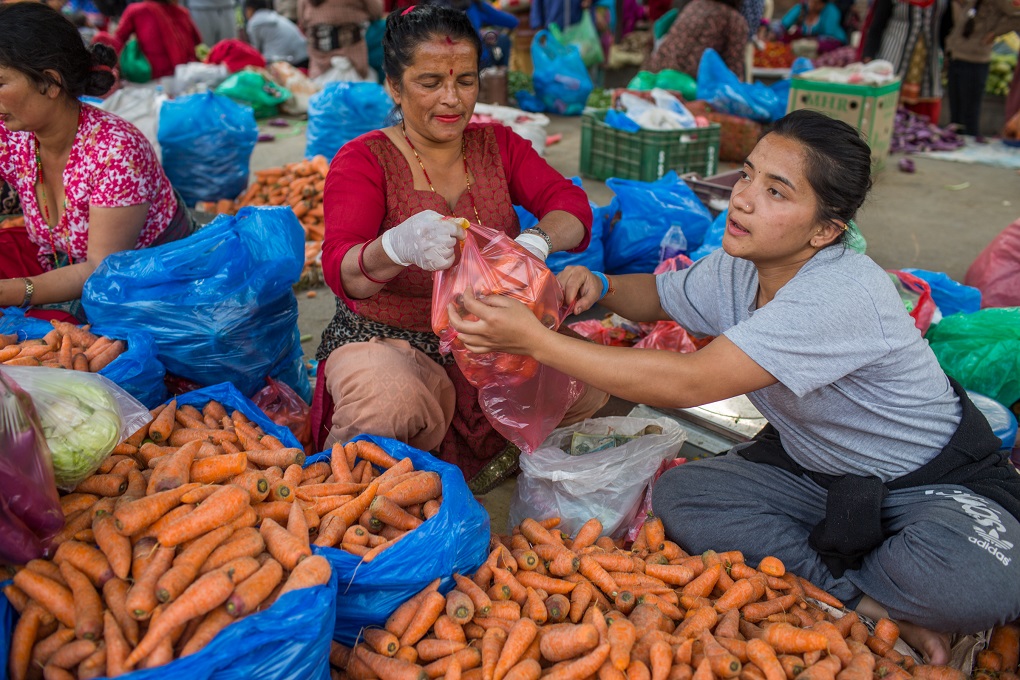
A fundamental flaw lies in the assumption that poor families in developing nations primarily lack capital but possess viable investment opportunities. Many operate small, labor-intensive businesses facing intense local competition. Introducing more loans into such markets can simply divide existing demand among more businesses, increasing competition and reducing profitability for all. This overlooks the need for stable employment, education, and infrastructure.
Furthermore, microloans are not always used for their intended purpose of productive investment. Poor households frequently face urgent needs such as medical expenses, school fees, or housing costs. Loans may be used to manage these immediate financial emergencies or to service existing debt, rather than generating the additional income required for repayment and wealth accumulation.
The pressure on borrowers is often exacerbated by the cost of borrowing itself. While microfinance aims to empower individuals, the reality for many in Asia is that the cycle of debt continues, failing to provide a sustainable escape from poverty. This suggests that the approach may be addressing the wrong problem, with interventions not aligning with the actual needs and circumstances of the most vulnerable populations.
What if we solved the wrong problem?
DistantNews Editorial
Originally published by OnlineKhabar English. Summarized and contextualized by our editorial team with added local perspective. Read our editorial standards.
More Stories



From Our Blog

What Gets Lost (and Found) When News Is Translated

The Critical Role of Diaspora Media in Global News

What Travellers Should Know About Countries with Restricted Press

A Digital Nomad's Guide to Following Local News

How the Same Story Looks Different in Different Countries
