


Middle East conflict reignites, sending oil prices soaring
Translated from English, summarized and contextualized by DistantNews.
At a glance
News
Named sources
Context piece
- Oil prices surged Wednesday following renewed fighting between Iran and the United States in the Middle East.
- Brent crude rose above $90 per barrel and West Texas Intermediate exceeded $84 amid fears of disrupted global oil flow.
- The conflict has also heightened concerns about accelerating inflation, as the Strait of Hormuz, a key oil transit route, experiences reduced traffic.
Global oil prices jumped again on Wednesday after a brief lull in fighting between Iran and the United States was shattered by renewed attacks in the Middle East. The pause, lasting about three days, ended when Iran launched missiles at American forces, while the U.S. military and Saudi Arabia struck Tehran-backed militias in Iraq.
The price of Brent crude, the global benchmark, climbed to over $90 per barrel on Wednesday morning. The American benchmark, West Texas Intermediate, also saw a significant increase, jumping to more than $84 per barrel. Western Canada Select was trading around $67 per barrel.
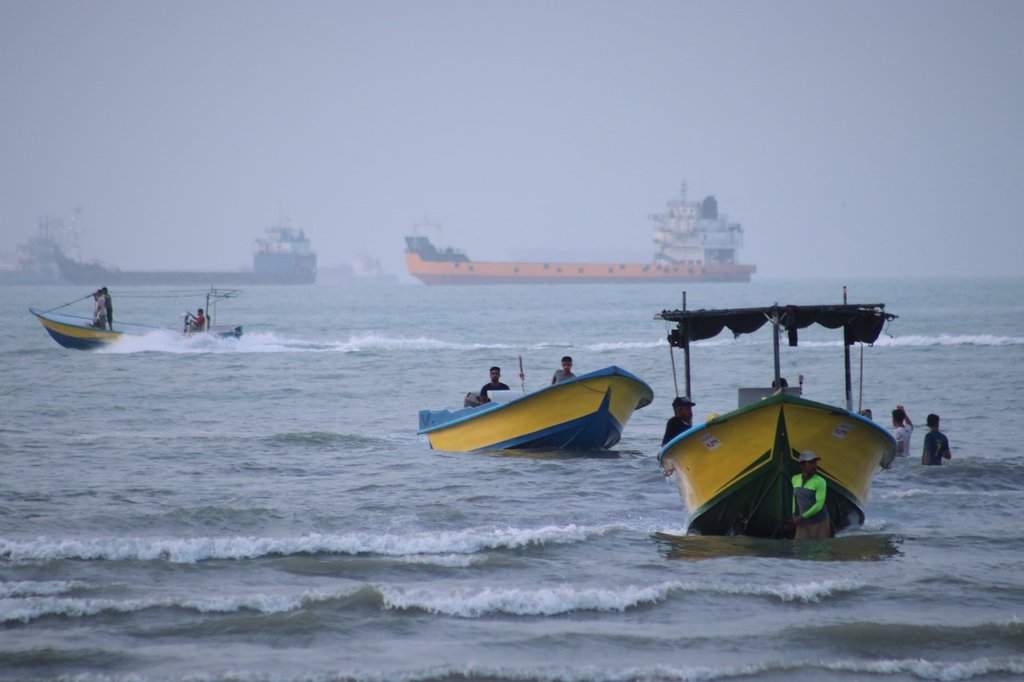
These price hikes reflect renewed fears about the global flow of oil. Earlier this month, Brent crude prices swung between a low of $72 per barrel and a high of $102 amid uncertainty over a potential deal to ensure the free movement of oil tankers from the Middle East. The Strait of Hormuz, through which approximately 20 percent of the world's oil supply normally travels, has seen its flow reduced to a trickle since the conflict began.
The recent volatility in oil prices has also intensified worries that inflation, which had started to slow, might re-accelerate. Hopes for an extended ceasefire between the U.S. and Iran had previously offered some relief.
DistantNews Editorial
Originally published by Global News in English. Translated, summarized, and contextualized by our editorial team with added local perspective. Read our editorial standards.
More Stories


From Our Blog

What Gets Lost (and Found) When News Is Translated

The Critical Role of Diaspora Media in Global News

What Travellers Should Know About Countries with Restricted Press

A Digital Nomad's Guide to Following Local News

How the Same Story Looks Different in Different Countries
