


Middle East Geopolitics: From Bipolar Influence to US Dominance and Its Regional Repercussions
Translated from Turkish, summarized and contextualized by DistantNews.
At a glance
Analysis
Sources not specified
Context piece
- The article analyzes the Middle East's geopolitical landscape, particularly the shift from a bipolar superpower influence to a single dominant power, the United States.
- It connects recent political events in Turkey to this new regional balance and discusses historical interventions, including the "Green Crescent" theory and support for Islamist movements.
- The author argues that major powers' interests in the region, especially since the 1974 Cyprus operation, have fueled terrorism and nationalist movements, impacting countries like Turkey and Iran.
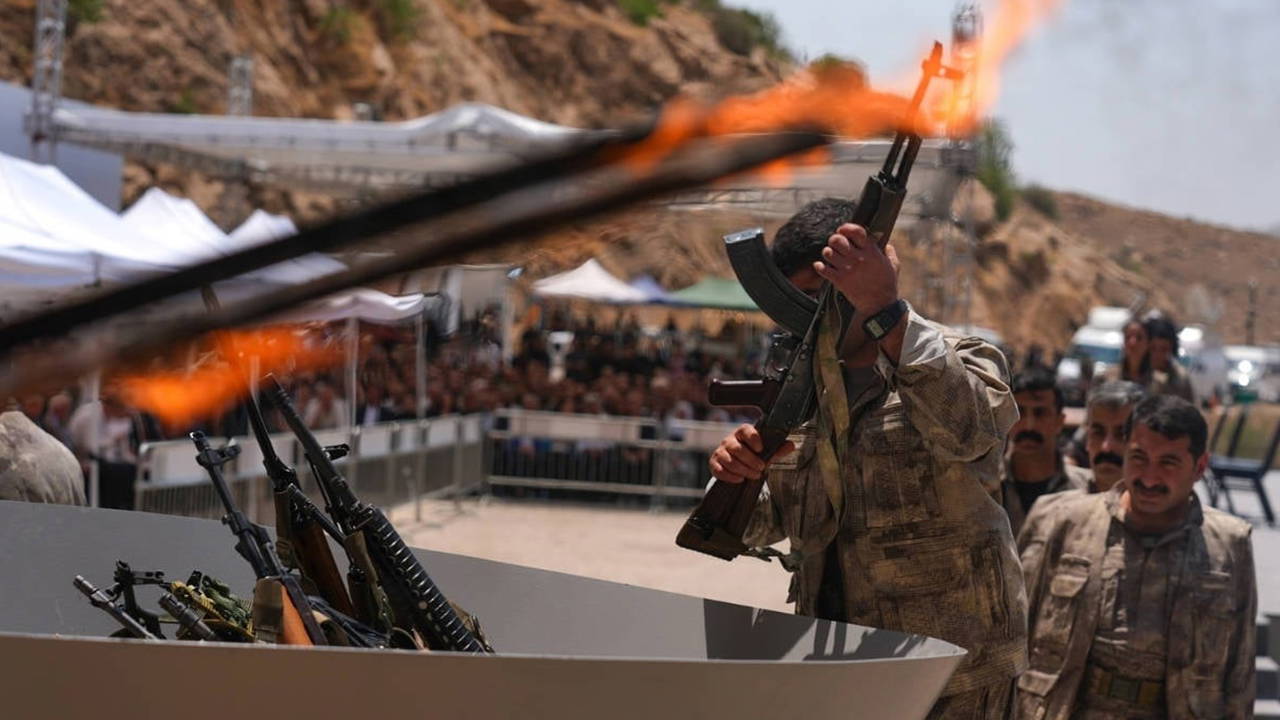
The Middle East, described as the world's most sensitive region, is undergoing a significant geopolitical shift from a bipolar superpower dynamic to the dominance of a single power, the United States. This transition, occurring in the post-World War II era where the region served as a battleground for Soviet and American influence, is now seeing the U.S. solidify its position as the Soviet Union temporarily withdraws.
Recent political developments in Turkey over the last 10-15 years are presented as a realistic reflection of this search for a new regional equilibrium. The article specifically examines the Cyprus issue, noting Turkey's military intervention in 1974. This event was followed by a surge in Armenian terrorism, with the "ASALA" group launching attacks against Turkish representatives in NATO capitals and major cities between 1975 and 1982. Concurrently, internal terrorism escalated, contributing to the environment that led to Turkey's 1980 military coup.
The post-coup era, according to the analysis, saw a "green light" for religious movements in Turkey, leading to the establishment of Saudi partnerships and the legalization of Islamic banking institutions under the ANAP government in 1983. This paved the way for the gradual infiltration of the state by what Western observers termed "moderate Islamism."
The article posits that this trend aligns with the "Green Crescent" theory, spearheaded by Zbigniew Brzezinski, former National Security Advisor to U.S. President Carter. This theory aimed to destabilize the Soviet Union by fostering Islamic movements and encircling it with ideologically aligned nations like Iran, Afghanistan, and Turkey, viewing Islamism as an effective anti-communist ideology. The author suggests that the rise of Khomeini in Iran and the "Pentagon-backed" Islamic-military regime in Pakistan were part of this strategy, as was the support for "moderate Islamism" in secular countries like Turkey. Furthermore, American support for nationalist movements, including Kurdish separatism, is cited as another tactic to weaken the Soviet Union internally, exemplified by figures like Mullah Mustafa Barzani and Jalal Talabani.
DistantNews Editorial
Originally published by Cumhuriyet in Turkish. Translated, summarized, and contextualized by our editorial team with added local perspective. Read our editorial standards.
More Stories

From Our Blog

What Gets Lost (and Found) When News Is Translated

The Critical Role of Diaspora Media in Global News

What Travellers Should Know About Countries with Restricted Press

A Digital Nomad's Guide to Following Local News

How the Same Story Looks Different in Different Countries
