

Middle East situation 'dramatic,' ceasefire unlikely: analyst
Translated from Spanish, summarized and contextualized by DistantNews.
At a glance
News
Named sources
Context piece
- International analyst Andrés Repetto warns of a dire situation in the Middle East, stating that a ceasefire between Iran and the U.S. is increasingly unlikely.
- Repetto notes declining popularity for both Iranian and U.S. leadership, impacting their ability to negotiate, and highlights similar trends in Israel.
- He also points to a political challenge for U.S. President Trump, as the House of Representatives voted to limit his war powers, despite his claims of a reset due to a ceasefire.
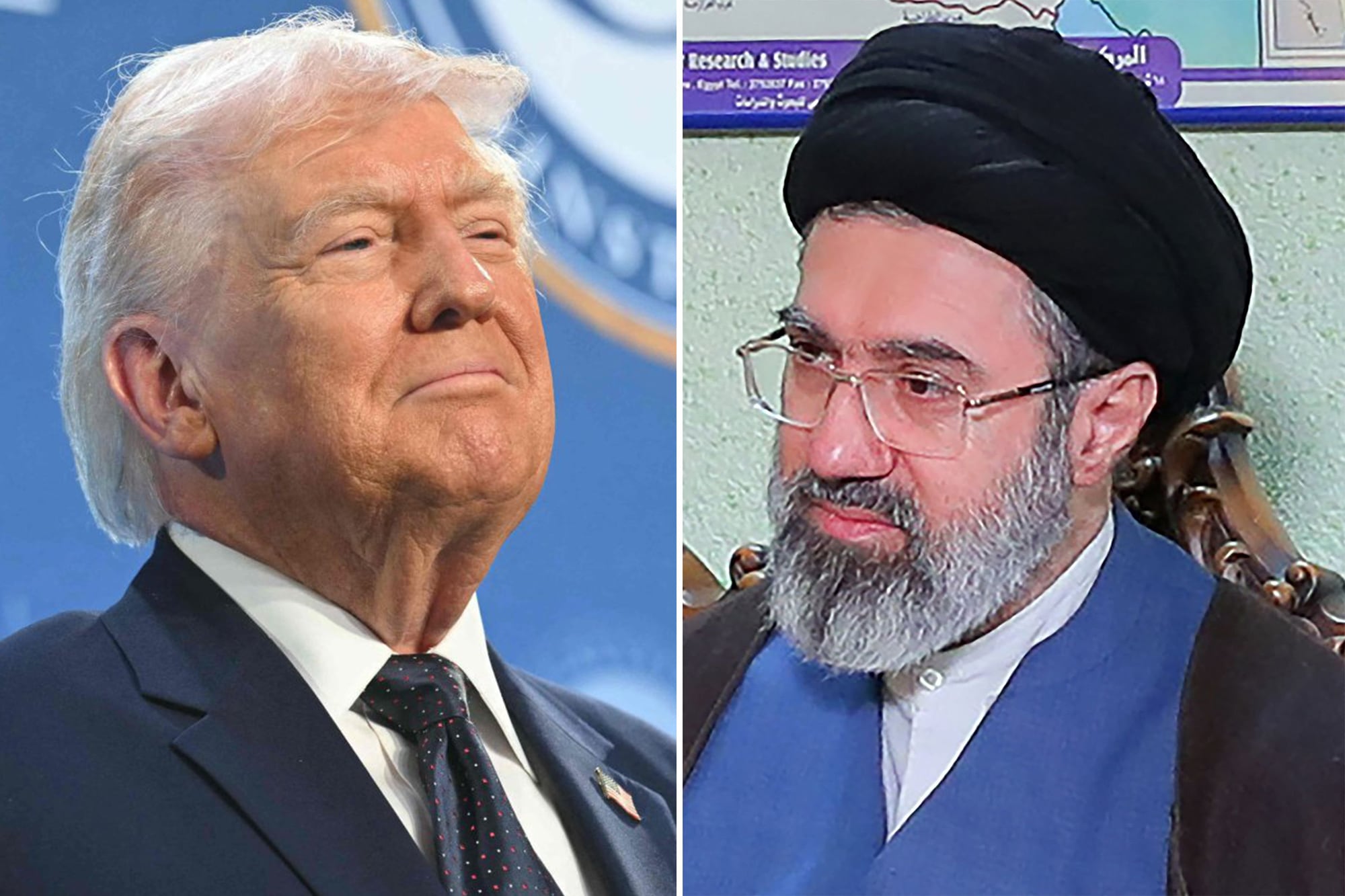
International analyst Andrés Repetto described the Middle East situation as "dramatic" and "at a crossroads," asserting that a ceasefire between Iran and the U.S. is becoming increasingly improbable.
The Iranians are saying that there is no progress whatsoever in the negotiations with the United States.
Repetto explained that Iranian officials are reporting no progress in negotiations with the United States. This stalemate is reflected in declining popularity for both Iranian leadership and U.S. President Donald Trump, which limits their room for maneuver in negotiations. He noted that Israeli Prime Minister's popularity is also falling, particularly in northern Israel, which is bearing the brunt of the conflict with Hezbollah.
This is denoting a drop in the president's popularity and room for maneuver to negotiate.
The analyst pointed to a recent Iranian attack on Kuwait Airport, which resulted in one death, dozens of injuries, and the destruction of a terminal, as a sign of ongoing conflict. He also highlighted internal political challenges for the Trump administration, noting that the U.S. House of Representatives, with some Republican support, voted to limit Trump's authority to engage in military action against Iran without Congressional authorization.
A dramatic situation because we are still in a war and at a crossroads.
Repetto elaborated on U.S. presidential war powers, explaining that a president can initiate military conflict but must seek authorization from Congress after 60 days. He criticized Trump's assertion that a ceasefire resets this timeline, stating that the House's bipartisan vote rejected this claim. This, Repetto concluded, signifies a degradation of Trump's internal power, complicating his image despite potential Senate support.
The U.S. Congress, the House of Representatives, told Trump on the first day to put a stop to the war against Iran.
DistantNews Editorial
Originally published by La Nación in Spanish. Translated, summarized, and contextualized by our editorial team with added local perspective. Read our editorial standards.
More Stories



From Our Blog

What Gets Lost (and Found) When News Is Translated

The Critical Role of Diaspora Media in Global News

What Travellers Should Know About Countries with Restricted Press

A Digital Nomad's Guide to Following Local News

How the Same Story Looks Different in Different Countries
