


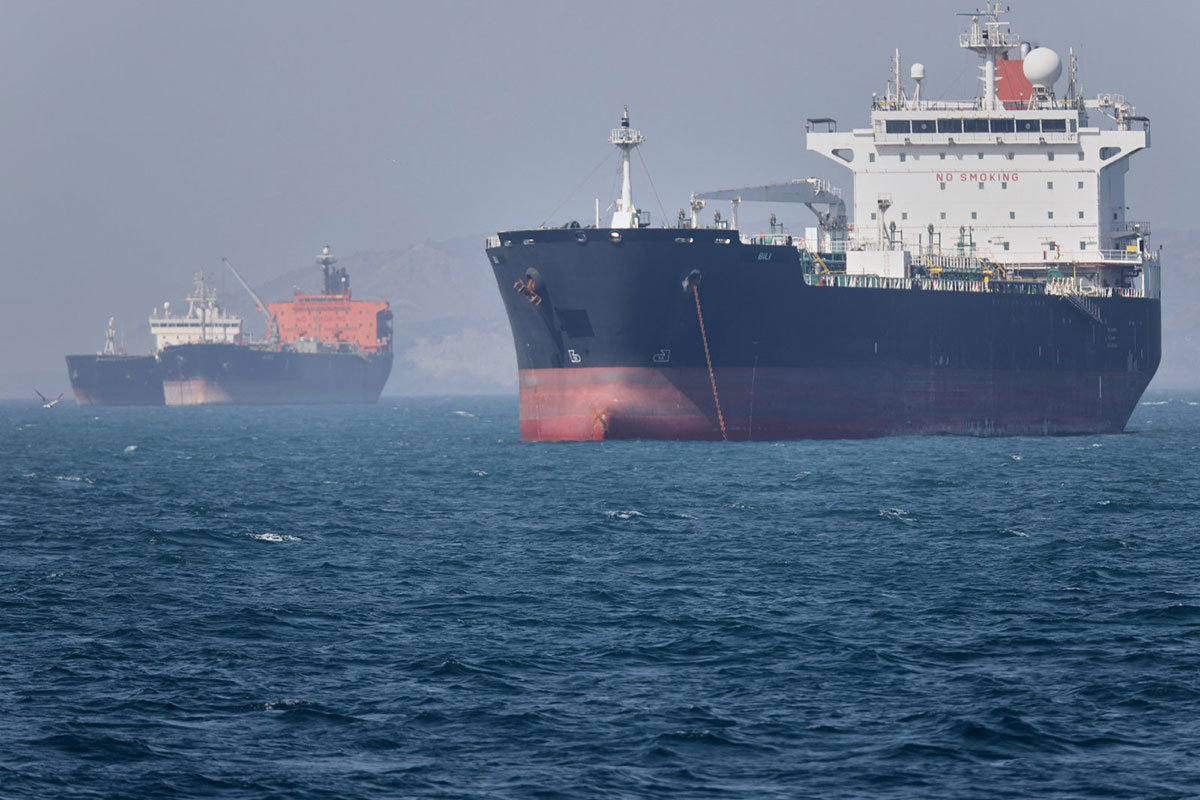
Middle East Tensions Escalate, Threatening Oil Supply and Global Economy
Translated from Korean, summarized and contextualized by DistantNews.
At a glance
Analysis
Sources not specified
Context piece
- Tensions escalate in the Middle East as the Strait of Hormuz and the Red Sea's Bab el-Mandeb Strait face blockade threats amid US-Iran conflict.
- Global oil supply is at risk, with potential for Brent crude to surge to $120 per barrel if key shipping routes are closed.
- Asian economies, particularly South Korea and Japan, are vulnerable to prolonged Middle East instability due to their high dependence on Middle Eastern oil.
The Middle East is once again a focal point of global instability, with escalating tensions between the United States and Iran threatening critical oil shipping lanes. The Strait of Hormuz, a vital chokepoint for global oil transport, is now joined by the Red Sea's Bab el-Mandeb Strait in facing potential blockade. This renewed crisis has prompted Saudi Arabia to bolster maritime security in the Red Sea, underscoring the volatile situation.
The threat is particularly acute as Houthi rebels in Yemen, backed by Iran, have declared a blockade of the Red Sea. If the Bab el-Mandeb Strait, a crucial alternative route to the Strait of Hormuz, were to be closed, it could reduce global oil supply by 7%. This comes at a time when U.S. crude oil inventories have hit a 43-year low, marking the lowest level since 1983. The combination of historically low land-based oil reserves and the potential closure of both Hormuz and Bab el-Mandeb straits could trigger a significant price shock.
Analysts warn that Brent crude could rebound to $120 per barrel, mirroring the prices seen at the outset of the recent conflict. Despite significant losses to its military assets and command structure due to U.S. and Israeli attacks, Iran remains defiant. U.S. intelligence agencies anticipate a prolonged period of stalemate rather than immediate peace or full-scale war in the region.
This prolonged Middle East conflict poses a direct threat to Asian economies heavily reliant on Middle Eastern oil, including South Korea and Japan. Japan, which previously sourced nearly all its oil from the Middle East, has already diversified by increasing its U.S. oil imports. While South Korea has secured a significant portion of its oil supply for the coming months, concerns remain. The nation must re-evaluate its oil supply chain and demand management systems in preparation for potential disruptions, especially as winter fuel demand increases later in the year.
The geopolitical instability in the Middle East inevitably fuels oil price hikes and currency fluctuations. This, in turn, exacerbates inflation by driving up import costs. The resurgence of a "triple-high" wave, high oil prices, high exchange rates, and high inflation, necessitates a renewed focus on crisis management and price stabilization measures.
DistantNews Editorial
Originally published by Dong-A Ilbo in Korean. Translated, summarized, and contextualized by our editorial team with added local perspective. Read our editorial standards.
More Stories



From Our Blog

What Gets Lost (and Found) When News Is Translated

The Critical Role of Diaspora Media in Global News

What Travellers Should Know About Countries with Restricted Press

A Digital Nomad's Guide to Following Local News

How the Same Story Looks Different in Different Countries
