

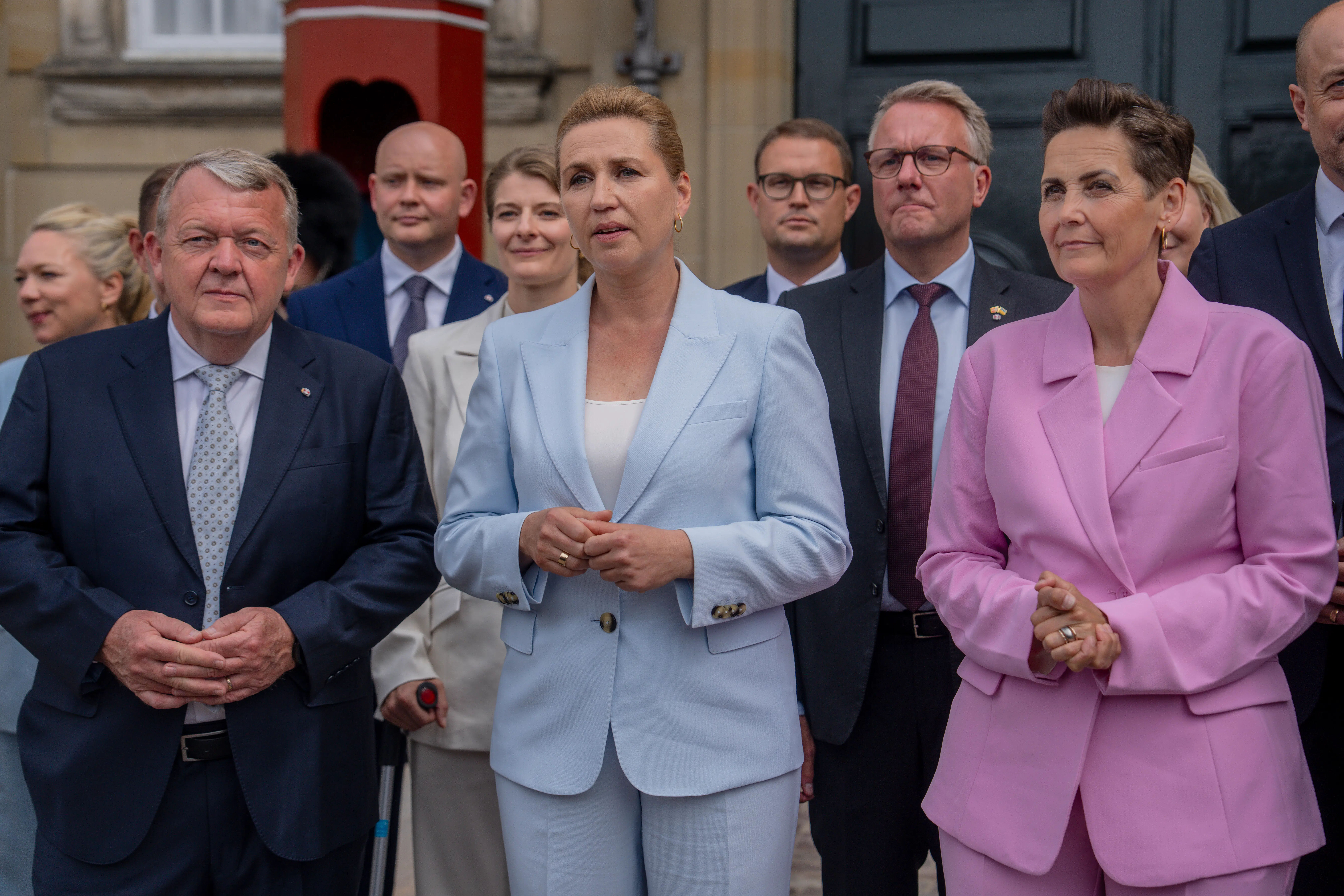

Minister: Electricity taxes set to rise
Translated from Danish, summarized and contextualized by DistantNews.
At a glance
News
From a news agency
Context piece
- Denmark's temporary reduction in electricity taxes is set to expire without plans for extension, leading to an expected increase in these taxes.
- The government prioritized corporate tax cuts and other framework conditions over extending the electricity tax reduction.
- While ministers express a desire for lower permanent taxes, current plans indicate a rise due to the expiration of the temporary measure.
Denmark's temporary reduction in electricity taxes is poised to end, with no plans for an extension, signaling an upcoming increase in these charges. Business Minister Martin Lidegaard confirmed that the government has not prioritized extending the reduction, having instead focused on corporate tax cuts and other business framework improvements.
For the past two years, the electricity tax has been maintained at a minimum level. Both Lidegaard and Foreign Minister Lars Løkke Rasmussen have indicated a willingness to find funds for a permanent reduction in the tax. However, current policy directions suggest the opposite will occur once the temporary measure expires.
The expiration of the reduced electricity tax comes as the government has focused on other fiscal priorities. This decision reflects a broader economic strategy, though it may impact household and business energy costs. The government's stance suggests a shift in fiscal priorities, moving away from direct energy cost relief through tax reductions.
While the exact timing and extent of the increase were not detailed, the confirmation from the Business Minister indicates a clear policy direction. This move is likely to be closely watched by consumers and businesses alike as energy costs remain a significant factor in household budgets and operational expenses.
We have not [extended the reduction], because we have prioritized corporate tax cuts and other framework conditions first.
DistantNews Editorial
Originally published by DR Nyheder in Danish. Translated, summarized, and contextualized by our editorial team with added local perspective. Read our editorial standards.
More Stories


From Our Blog

What Gets Lost (and Found) When News Is Translated

The Critical Role of Diaspora Media in Global News

What Travellers Should Know About Countries with Restricted Press

A Digital Nomad's Guide to Following Local News

How the Same Story Looks Different in Different Countries
