


MMCA Gwacheon Reopens Permanent Exhibition with Refreshed Korean Art
Translated from Korean, summarized and contextualized by DistantNews.
TLDR
- The National Museum of Modern and Contemporary Art (MMCA) in Gwacheon is refreshing its permanent exhibition, replacing approximately a quarter of its displayed artworks.
- The updated exhibition,
The National Museum of Modern and Contemporary Art (MMCA) in Gwacheon is revitalizing its permanent exhibition, introducing a fresh selection of artworks starting March 22. This move aims to provide a more dynamic and comprehensive view of Korean art history.
We have replaced about a quarter of the works on display in the permanent exhibition at the Gwacheon branch of the National Museum of Modern and Contemporary Art, and will present them anew starting on the 22nd.
The museum is replacing 69 out of 260 pieces in its "Korean Modern and Contemporary Art I, II" exhibition, which has been ongoing since May of last year. This initiative seeks to illuminate the past 100 years of Korean art through its key artists and significant works.
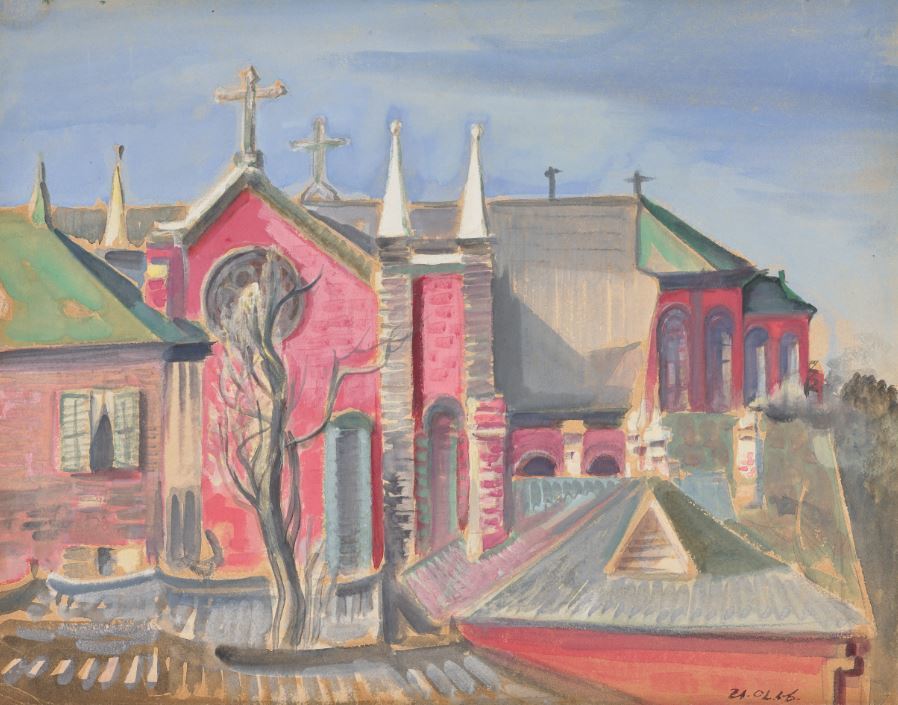
In "Korean Modern and Contemporary Art I," the "Artist's Room" sections previously dedicated to Oh Ji-ho and Lee Jung-seob will now feature Lee In-sung (1912-1950) and Park Soo-keun (1914-1965), respectively. Park Soo-keun, known for his unique technique reminiscent of "earth walls," captured the post-Korean War era. His section will display 43 oil paintings and drawings from the 1950s and 1960s, including "Spring Day" and "Thatched House." Lee In-sung's room will showcase 11 works, including his 1930s watercolor masterpiece "My Hometown Catholic Church," reflecting his vibrant depiction of modern cityscapes.
To illuminate Korean art history more three-dimensionally, we have replaced 69 out of 260 works in 'Korean Modern and Contemporary Art I, II,'
"Korean Modern and Contemporary Art II" will be enhanced with the inclusion of craft, folk, and feminist art. The fifth section, "Modernist Women Artists," will feature tapestry work "Power" by Jeong Jeong-hee and Lee Ki-soon's "Beach of Yugoslavia." Ahn Sang-chul's painting "Blue Day," returning after its tour with the Lee Kun-hee Collection at the Smithsonian Museum in the United States, will also be presented to Korean audiences in the revamped exhibition.
The 'Artist's Room' that previously covered Oh Ji-ho and Lee Jung-seob will be changed to Lee In-sung (1912-1950) and Park Soo-keun (1914-1965), respectively.
This refresh at the MMCA Gwacheon offers a valuable opportunity for visitors to engage with a broader spectrum of Korean art, highlighting both established masters and underrepresented artists. The inclusion of diverse genres and the re-examination of female artists underscore the museum's commitment to a more inclusive and multifaceted presentation of the nation's artistic heritage. From a Korean perspective, this is not just an update; it's a continuous effort to deepen the understanding and appreciation of our own art history, ensuring that the contributions of artists like Lee In-sung and Park Soo-keun, alongside emerging voices, are recognized and celebrated within their rightful context.
Park Soo-keun is a painter who dealt with the post-Korean War society with a unique expression technique reminiscent of 'earth walls.'
DistantNews Editorial
Originally published by Dong-A Ilbo in Korean. Translated, summarized, and contextualized by our editorial team with added local perspective. Read our editorial standards.
More Stories


From Our Blog

What Gets Lost (and Found) When News Is Translated

The Critical Role of Diaspora Media in Global News

What Travellers Should Know About Countries with Restricted Press

A Digital Nomad's Guide to Following Local News

How the Same Story Looks Different in Different Countries
