


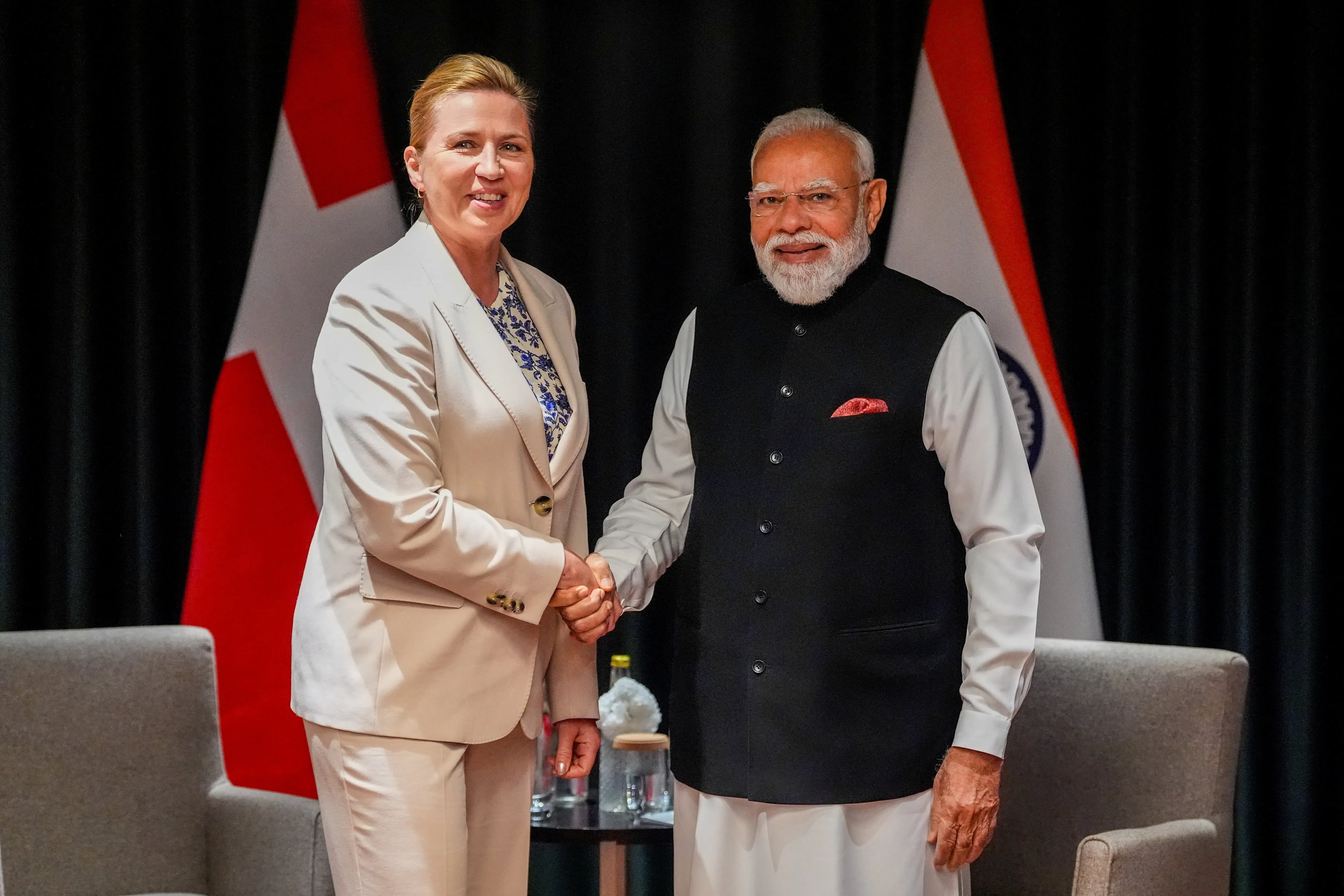
Modi's Warm Diplomacy Contrasts With Global Anxieties and Geopolitical Shifts
Translated from Danish, summarized and contextualized by DistantNews.
At a glance
Analysis
Sources not specified
Context piece
- The article discusses Indian Prime Minister Narendra Modi's 'hug diplomacy' and his international image.
- It contrasts this with underlying fears about technology and potential global catastrophes.
- The piece also touches upon geopolitical tensions involving Russia and North Korea, suggesting increased cooperation in Asia and Europe.
Narendra Modi, India's prime minister, is internationally recognized for his distinctive style of diplomacy, often characterized by warm embraces, a practice dubbed 'hug diplomacy.' This personal approach sees him offering 'bear hugs' to world leaders during meetings, shaping his image on the global stage.
Beyond the personal interactions, the article alludes to a broader context of international relations and anxieties. It mentions a faith in technology juxtaposed with underlying fears of major global catastrophes, hinting at a complex interplay of progress and apprehension in the modern world.
Geopolitical tensions are also highlighted, with a warning from a defense chief that Russia could launch an offensive in a few years. This potential threat appears to be fostering a desire for increased cooperation between Asian and European nations, suggesting a strategic realignment in response to perceived security challenges.
Furthermore, the piece references the enduring influence of North Korean leadership, even posthumously. It suggests that Kim Jong Un's legacy, described as a 'dead hand,' could continue to exert control over the nuclear program, posing a persistent challenge despite potential leadership changes.
DistantNews Editorial
Originally published by Berlingske in Danish. Translated, summarized, and contextualized by our editorial team with added local perspective. Read our editorial standards.
More Stories


From Our Blog

What Gets Lost (and Found) When News Is Translated

The Critical Role of Diaspora Media in Global News

What Travellers Should Know About Countries with Restricted Press

A Digital Nomad's Guide to Following Local News

How the Same Story Looks Different in Different Countries
