


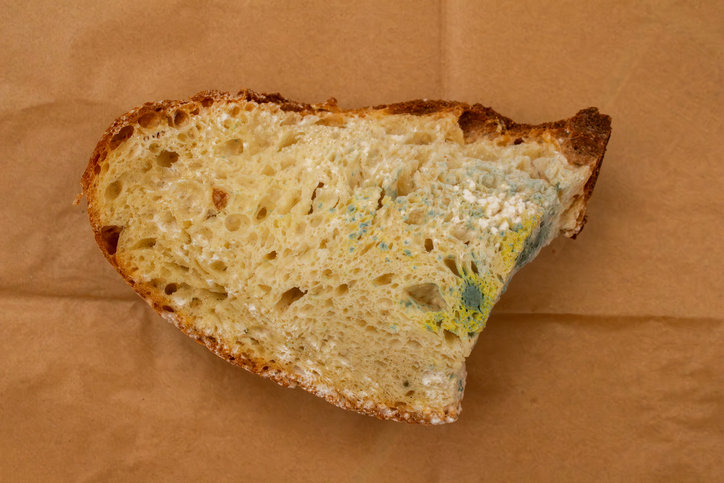
Moldy bread and rice cakes: Experts warn to discard them whole
Translated from Korean, summarized and contextualized by DistantNews.
At a glance
News
Named sources
Context piece
- Moldy bread and rice cakes should be discarded entirely, even if only a small part appears affected.
- Mold can spread invisibly beneath the surface of porous foods like bread and rice cakes.
- Some molds produce mycotoxins, harmful substances that can cause health issues, and these toxins are not always eliminated by heating.
When faced with mold on bread or rice cakes, the instinct to simply cut away the affected part and consume the rest is common, but experts strongly advise against it. The consensus among food safety professionals is that moldy bread and rice cakes, regardless of the extent of visible mold, should be discarded entirely.
The primary reason for this recommendation lies in the nature of these foods. Bread, being a porous item, allows mold to grow not only on the surface but also deep within its structure. Even dense foods like rice cakes, while appearing less susceptible, can harbor invisible mold hyphae that have spread beyond the visible spot. This unseen spread means that removing the moldy section does not guarantee the safety of the remaining food.
Cutting off the moldy part is not safe because it doesn't remove the mold's roots that spread throughout.
Furthermore, certain types of mold produce mycotoxins, which are toxic substances that can lead to gastrointestinal problems and more severe health complications. These toxins pose a particular risk to vulnerable populations such as pregnant women and children. Importantly, heating moldy food does not reliably destroy these harmful mycotoxins, making consumption unsafe even after cooking.
To prevent mold growth, proper storage is key. After opening, bread and rice cakes should be sealed tightly or stored in airtight containers in a cool, dry place. While commercially produced bread with preservatives can last longer, homemade or preservative-free items spoil faster. For long-term storage, freezing is recommended over refrigeration to maintain texture and inhibit mold development. In the case of rice cakes, especially those stored together, the risk of cross-contamination is high, reinforcing the need to discard the entire batch if mold is detected.
Thinly sliced bread, like sandwich bread, can have mold that has grown into the bread and spread to other pieces that are tightly packed together. You can't guarantee that taking off one moldy piece will make the rest of the sandwich safe.
DistantNews Editorial
Originally published by Dong-A Ilbo in Korean. Translated, summarized, and contextualized by our editorial team with added local perspective. Read our editorial standards.
More Stories


From Our Blog

What Gets Lost (and Found) When News Is Translated

The Critical Role of Diaspora Media in Global News

What Travellers Should Know About Countries with Restricted Press

A Digital Nomad's Guide to Following Local News

How the Same Story Looks Different in Different Countries
