

Mongolia to host UN desertification conference amid global heatwaves
Translated from French, summarized and contextualized by DistantNews.
At a glance
News
Sources not specified
New plan
- Mongolia will host the 17th Conference of the Parties to the UN Convention to Combat Desertification (UNCCD) from August 17-28, 2026, focusing on land restoration.
- The conference addresses urgent issues like land degradation, climate change, and deforestation, with a particular focus on supporting vulnerable nations.
- Experts emphasize the critical need to invest in soil health for food security, climate resilience, and biodiversity, urging an end to subsidies for harmful agricultural practices.
Ulan Bator, Mongolia, is set to host the 17th Conference of the Parties (COP 17) to the UN Convention to Combat Desertification from August 17 to 28, 2026. The conference's theme, "Restoring Land, Restoring Hope," highlights the pressing global challenge of desertification and land degradation, issues particularly acute for the host nation, Mongolia, where 77% of its land is degraded.
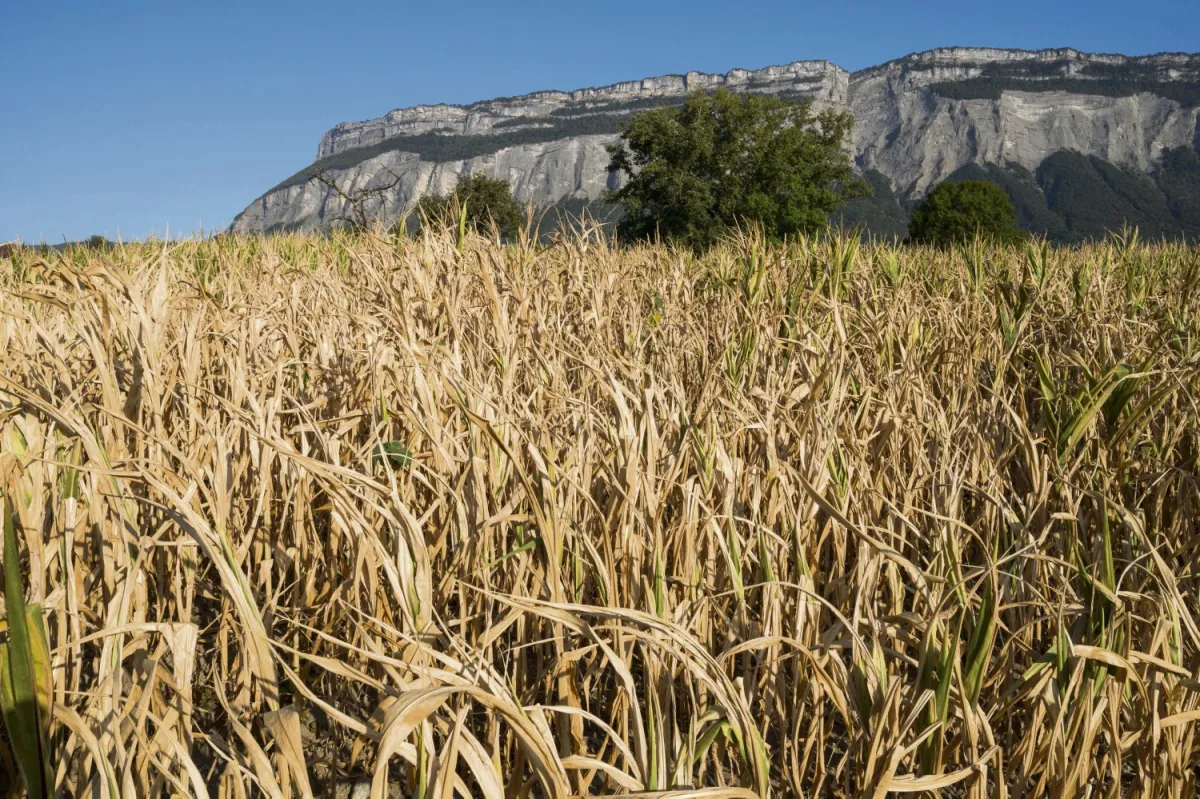
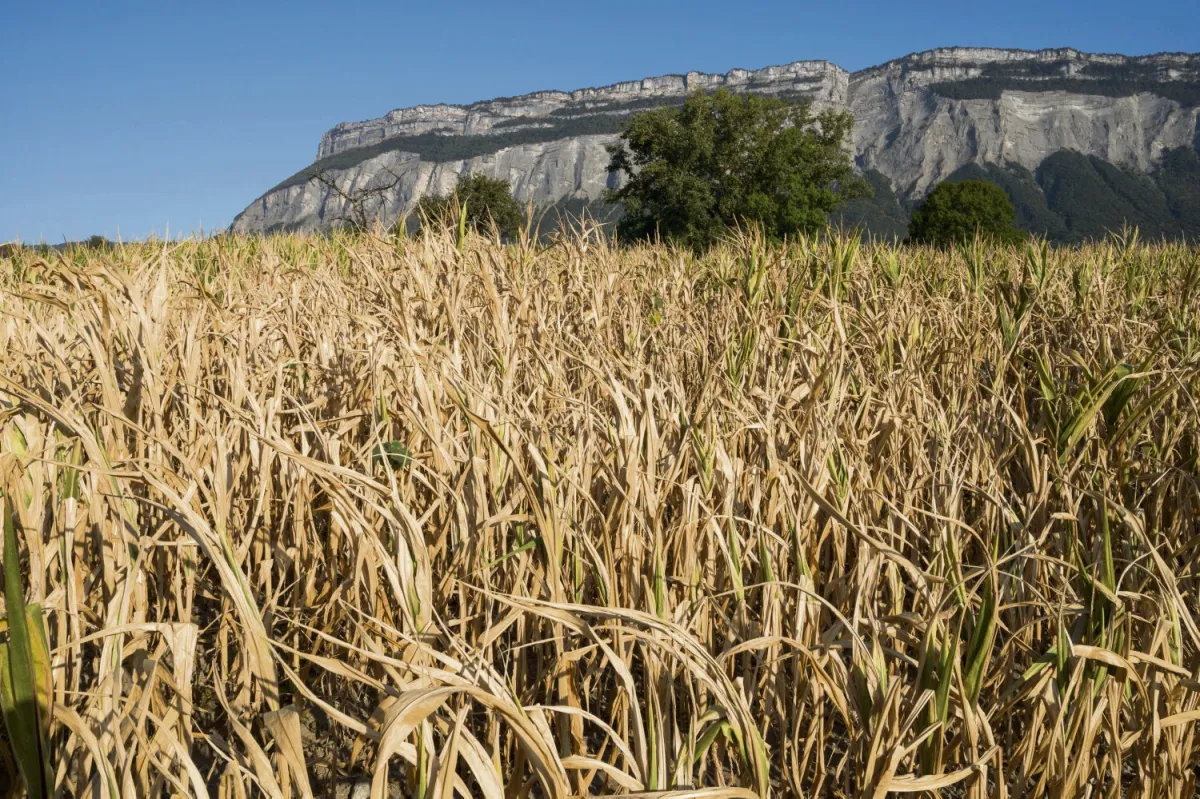
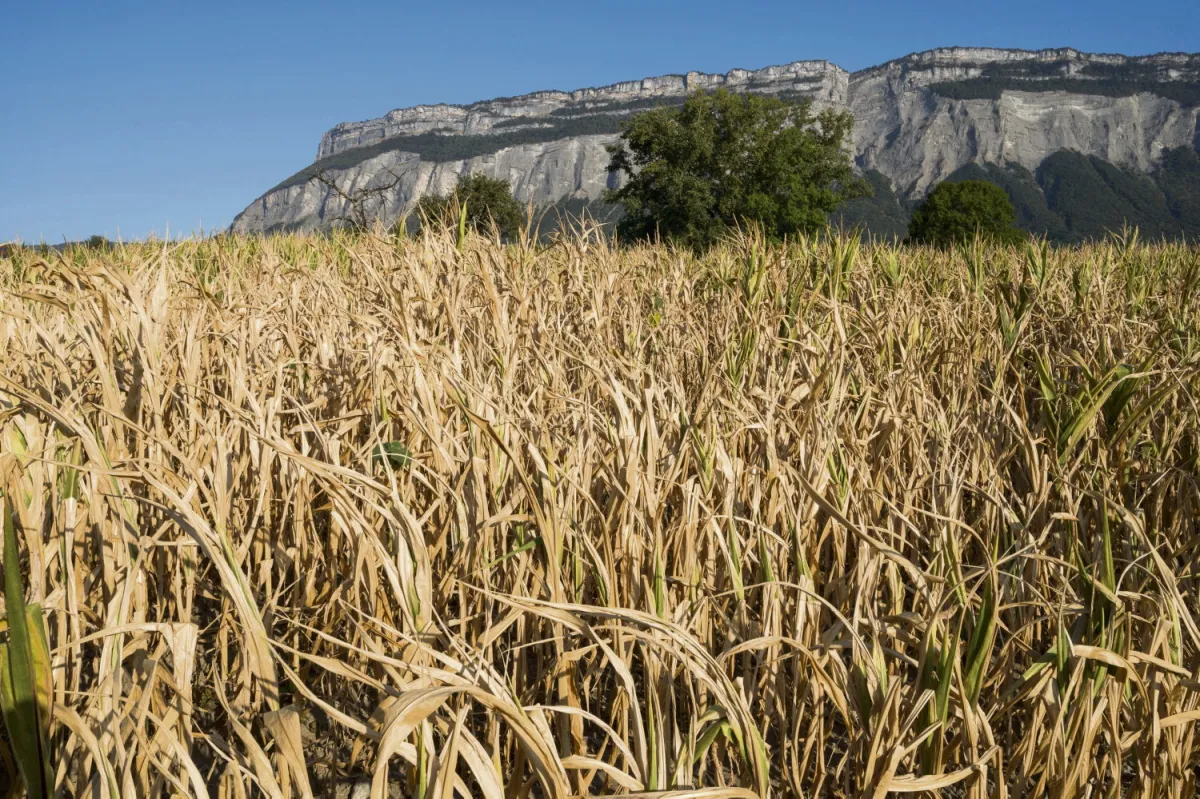
The COP 17 will tackle critical topics including the causes of land degradation, climate change, and deforestation. The urgency is underscored by recent extreme heatwaves causing widespread wildfires and loss of life in regions like France and Morocco. Decision-makers are called upon to take decisive action, with a particular emphasis on developed nations supporting weaker countries impacted by desertification.
Investing in soil health is presented as crucial for food security, climate adaptation, and biodiversity. Healthy soil stores carbon and water, mitigating drought impacts. The conference aims to persuade governments, agricultural banks, and the private sector to invest in land restoration and cease subsidies for soil-damaging agricultural practices. For low-income countries, especially in sub-Saharan Africa, improved yields and access to resources are vital for vulnerable populations to restore degraded lands. Public awareness campaigns and the fulfillment of funding promises are also deemed essential.
DistantNews Editorial
Originally published by Le Pays in French. Translated, summarized, and contextualized by our editorial team with added local perspective. Read our editorial standards.
More Stories

From Our Blog

What Gets Lost (and Found) When News Is Translated

The Critical Role of Diaspora Media in Global News

What Travellers Should Know About Countries with Restricted Press

A Digital Nomad's Guide to Following Local News

How the Same Story Looks Different in Different Countries
