


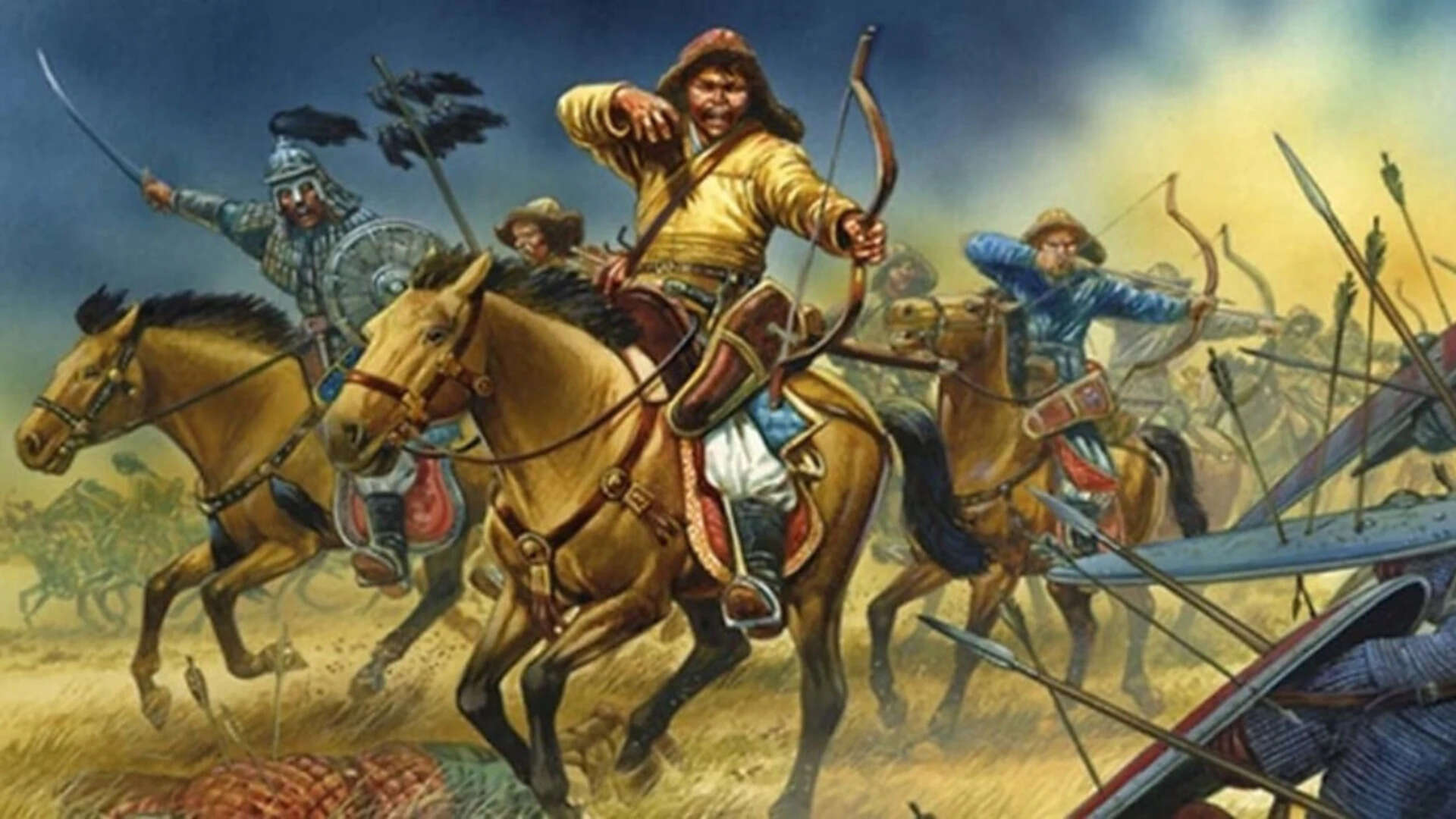
Mongolian proverb of the day: 'Suffer with your own rule, rather than frolic under someone else’s rule'
Summarized and contextualized by DistantNews.
At a glance
In-depth
Sources not specified
Context piece
- A traditional Mongolian proverb emphasizes self-reliance over comfort gained through dependence.
- The saying "Suffer with your own rule, rather than frolic under someone else’s rule" reflects a worldview shaped by geography and history.
- It highlights the value of autonomy and freedom, even at the cost of hardship, rooted in Mongolia's nomadic past.
A profound Mongolian proverb, "Suffer with your own rule, rather than frolic under someone else’s rule," encapsulates a cultural ethos valuing self-reliance and autonomy above all else. This saying, deeply ingrained in the nation's identity, contrasts the comfort of living under external authority with the hardship of enduring difficulties while maintaining control over one's own life. It posits that self-determination holds a value that transcends material ease or security provided by dependence.
The proverb's origins are deeply tied to Mongolia's unique history and geography. For centuries, Mongolians lived as nomadic pastoralists across the vast Eurasian steppe. Their society was organized around kinship and mobile herding, fostering a culture that prized flexibility and independence. The immense, open landscapes often allowed families or groups to relocate rather than submit to rivals, reinforcing a strong sense of self-reliance.
Historians note that this nomadic lifestyle, distinct from settled agricultural civilizations, meant that daily survival depended heavily on individual skills like horsemanship, livestock management, and adaptability. In such an environment, dependence on others could be perceived as a significant vulnerability. The proverb, therefore, is not an endorsement of suffering itself, but a powerful statement on the intrinsic worth of freedom and the right to make one's own decisions, even when those decisions lead to hardship.
This worldview suggests that material comfort loses its luster when it comes at the price of personal liberty. Conversely, enduring difficulties becomes more bearable when one is the master of their own fate. The proverb serves as a constant reminder of the dignity and value inherent in independence, a principle forged over centuries on the Mongolian steppe.
DistantNews Editorial
Originally published by Times of India. Summarized and contextualized by our editorial team with added local perspective. Read our editorial standards.
More Stories



From Our Blog

What Press Freedom Means for the News You Read

What Gets Lost (and Found) When News Is Translated

The Critical Role of Diaspora Media in Global News

What Travellers Should Know About Countries with Restricted Press

A Digital Nomad's Guide to Following Local News
