


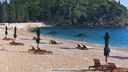
Montenegro Beach's 240-Euro Sun Loungers Spark Outrage Over Exclusivity Strategy
Translated from Croatian, summarized and contextualized by DistantNews.
At a glance
News
Named sources
Context piece
- A beach in Montenegro is charging 240 euros for sun loungers, sparking controversy.
- Critics argue the high price is a strategy to create exclusivity and protect surrounding luxury property values.
- The 'Sveti Stefan Initiative' group claims this practice effectively privatizes public coastal areas.
An exorbitant price of 240 euros for a sun lounger on a Montenegrin beach has ignited public outcry and debate. The 'Sveti Stefan Initiative' group highlighted the issue on Instagram, arguing that such a steep price is not primarily for daily rental profit but serves a broader business strategy.
When the prices of sunbeds are raised to an absurd 240 euros, the actual goal of the concessionaire is not profit from their daily rental, but long-term marketing and resource protection.
According to the initiative, the extreme cost is designed to limit the number of beachgoers, thereby fostering an atmosphere of privacy and exclusivity. This curated environment, they contend, is a key selling point for luxury apartments in the vicinity. By ensuring the beach remains uncrowded, investors can promise future buyers a 'private' or 'semi-private' beach experience.
When expensive apartments are sold, the key selling point is a 'private' or 'semi-private' beach. The high price of sunbeds sends a message to future buyers that the beach in front of their building will remain empty, quiet, and reserved exclusively for them.
The group contrasts this with a more accessible price, suggesting that 50 euros would attract a larger crowd, filling the beach daily during the tourist season. They assert that the high lounger price guarantees prime spots for wealthy residents once the apartments are occupied, with loungers even positioned to ensure sea access.
By creating the myth of the 'most expensive beach on the coast,' the investor gets a huge amount of media space for free. This automatically attracts a profile of real estate buyers who are looking for a status symbol and isolation from mass tourism.
Furthermore, the 'Sveti Stefan Initiative' views the media attention generated by the 'most expensive beach on the coast' as a powerful, free marketing tool for the luxury destination. This publicity attracts a clientele seeking status symbols and an escape from mass tourism. However, this practice also fuels resentment among locals and tourists who feel their access to public coastal areas is being restricted through economic manipulation, effectively leading to the privatization of public goods.
This is why the justified anger of the local population and ordinary tourists arises, because public goods, i.e., the seashore, are practically privatized through economic manipulation.
DistantNews Editorial
Originally published by Večernji List in Croatian. Translated, summarized, and contextualized by our editorial team with added local perspective. Read our editorial standards.
More Stories



From Our Blog

What Gets Lost (and Found) When News Is Translated

The Critical Role of Diaspora Media in Global News

What Travellers Should Know About Countries with Restricted Press

A Digital Nomad's Guide to Following Local News

How the Same Story Looks Different in Different Countries
