


Moody's raises South Korea growth forecast to 3.5% on semiconductor boom
Translated from Korean, summarized and contextualized by DistantNews.
At a glance
News
Sources not specified
Context piece
- Moody's has raised its forecast for South Korea's economic growth this year to 3.5%, a 1% point increase from its previous projection.
- The upgrade is driven by a strong semiconductor boom expected to continue through mid-next year, boosting exports and overall economic performance.
- While acknowledging improved fiscal health due to tax revenues, Moody's also warned of long-term fiscal burdens from aging populations and increased spending.
International credit rating agency Moody's has significantly upgraded its economic growth forecast for South Korea, projecting a 3.5% expansion for the current year. This marks a substantial increase from its earlier estimates of 1.8% in February and 2.5% in May, reflecting a more optimistic outlook for the nation's economy.
The demand for semiconductor chips continues, and there are limited companies that can realistically replace South Korea's high-performance memory suppliers.
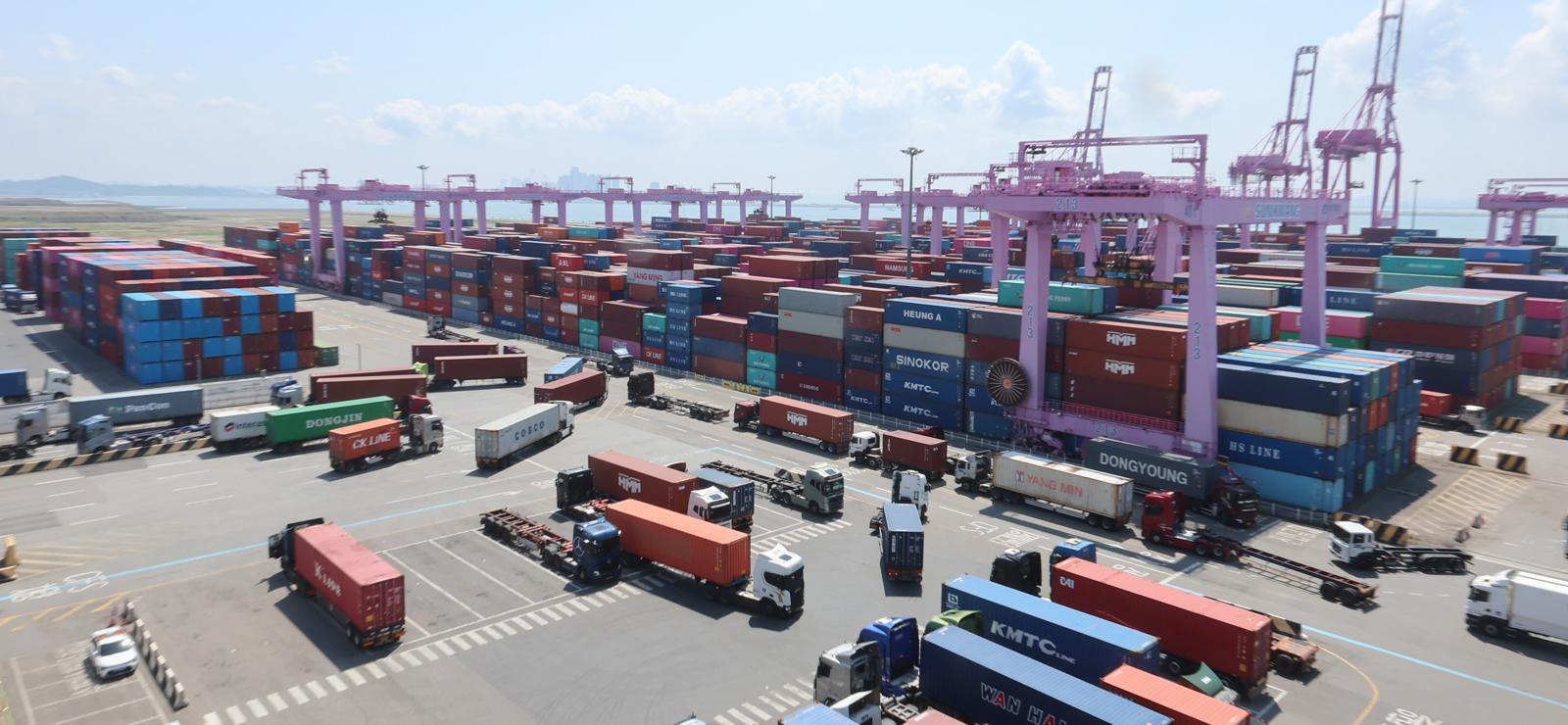
The primary driver behind this upward revision is the ongoing semiconductor super-cycle, which Moody's anticipates will persist until at least mid-2025. This boom is fueling a robust export performance, with South Korean exports surging 50.5% in the first seven months of the year compared to the same period in 2023. Semiconductor exports, in particular, have shown remarkable strength, exceeding $90 billion for two consecutive months and setting new records.
Moody's highlighted the limited global alternatives to South Korea's high-performance memory chip suppliers, suggesting a sustained demand for these critical components. The agency also positively assessed the South Korean government's "consistent policy efforts" to foster advanced industries like semiconductors and artificial intelligence, noting that successful mega-projects could enhance the nation's productivity and potential growth rate.
consistent policy efforts to keep pace with technological innovation
Furthermore, Moody's expects South Korea's fiscal health to improve, projecting a deficit-to-GDP ratio of 3.8%, better than the target. However, the agency cautioned that without further policy reforms, long-term fiscal sustainability could be challenged by an aging population, increased defense spending, and investments needed to maintain export competitiveness.
additional policy reforms are needed to address the significant burden on finances from an aging population, defense and security-related expenditures, and investment costs to maintain export competitiveness.
DistantNews Editorial
Originally published by Dong-A Ilbo in Korean. Translated, summarized, and contextualized by our editorial team with added local perspective. Read our editorial standards.
More Stories



From Our Blog

What Gets Lost (and Found) When News Is Translated

The Critical Role of Diaspora Media in Global News

What Travellers Should Know About Countries with Restricted Press

A Digital Nomad's Guide to Following Local News

How the Same Story Looks Different in Different Countries
