

More Evacuees Return Home to Summerland as Firefighting Efforts Move Northwest
Translated from English, summarized and contextualized by DistantNews.
At a glance
News
Sources not specified
Ongoing story
- More wildfire evacuees are returning home to Summerland, B.C., as firefighting efforts shift.
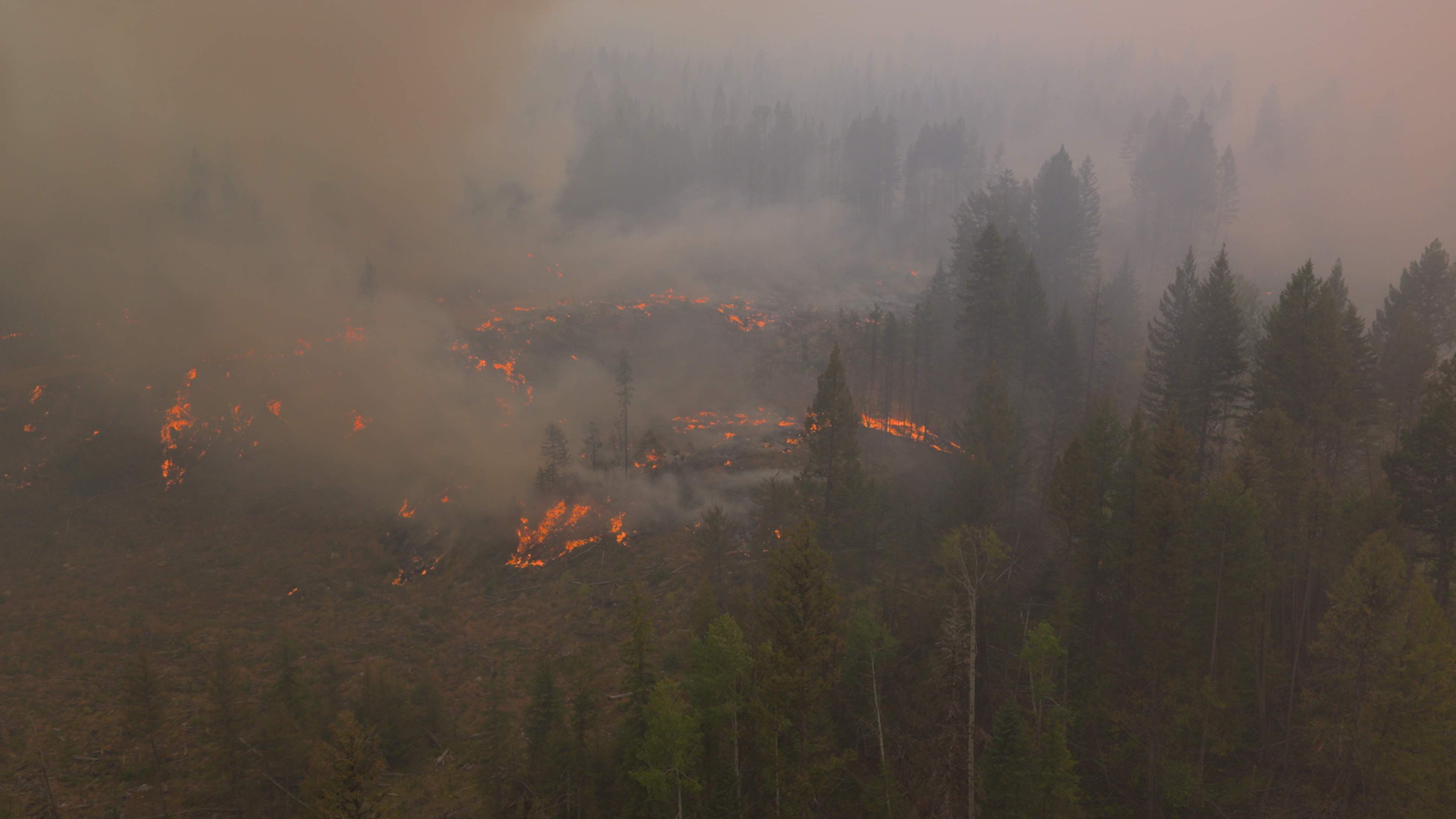
- The Bald Range fire, covering over 21,000 hectares, is seeing crews focus on hot spots near communities and then move northwest.
- Challenges include smoke hindering aircraft and a severe drought, with nearly 40 days without precipitation.
Residents of Summerland, British Columbia, are beginning to return home after evacuation orders were downgraded to alerts for areas near Okanagan Lake. The return marks a significant step in recovery more than a week after the Bald Range fire forced thousands to flee their homes.
more “traditional firefight”
Firefighting efforts are now concentrating on the northwestern perimeter of the blaze, which has consumed over 21,000 hectares. While crews have made progress in suppressing the fire's edge closest to populated areas, the focus is shifting to a more "traditional firefight" in the heavily forested regions to the west and northwest.
Incident commanders face considerable challenges, primarily smoke that impedes aerial operations. This is compounded by a severe drought gripping the region, with the fire area experiencing nearly 40 days without any precipitation. Fire behavior analyst Eric Kopetski noted that the fuel in the area is exceptionally dry, reaching near-record levels.
The biggest challenges we’re facing would be the smoke, that’s making it really tough for the aircraft to fly and that becomes part and parcel with the drought we are facing here.
Over 500 personnel, supported by 16 helicopters and nearly 60 pieces of heavy equipment, are assigned to the Bald Range fire. Despite the ongoing efforts and the return of some residents, the scale of the fire and the persistent dry conditions underscore the ongoing threat and the extensive work still required to fully contain the blaze.
The fuels in the area are very, very dry. We’ve gone about 40 days without precipitation on this fire. This has allowed our fuels to reach near-record levels of dryness.
DistantNews Editorial
Originally published by Global News in English. Translated, summarized, and contextualized by our editorial team with added local perspective. Read our editorial standards.
More Stories


From Our Blog

What Gets Lost (and Found) When News Is Translated

The Critical Role of Diaspora Media in Global News

What Travellers Should Know About Countries with Restricted Press

A Digital Nomad's Guide to Following Local News

How the Same Story Looks Different in Different Countries
