


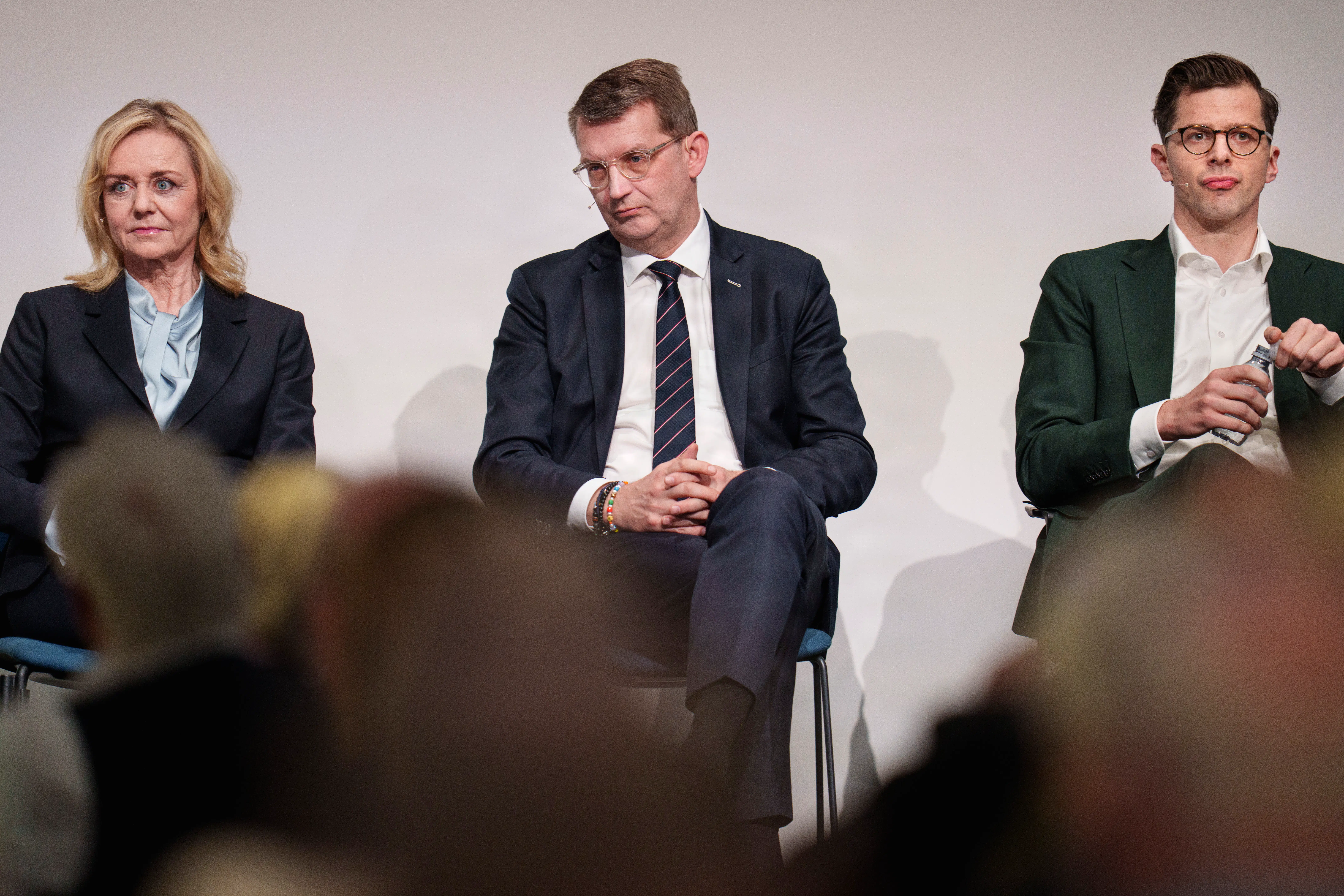

More than 30,000 students map Denmark’s unknown insects
Translated from Danish and summarized by DistantNews. Read the original for the full story.
At a glance
Press release
Official statement
Context piece
- More than 30,000 students in 1,377 classes will collect insects and spider webs for a national biodiversity survey.
- Researchers will use the samples, including environmental DNA gathered by spider webs, to study species that remain unknown.
- The project has attracted so much interest that 150 classes are on a waiting list, and organizers may seek more funding next year.
More than 30,000 Danish students will spend this week working like researchers, using homemade insect traps to help map species that scientists still do not know.
The project, organized by the national science education center Astra, involves 1,377 classes in 95 of Denmark’s 98 municipalities. Students will collect thousands of insects and several hundred spider webs, then document and sort their findings before sending them to researchers, including scientists from the Natural History Museum of Denmark.
We have good experience that it motivates students to try working like researchers and use researchers’ authentic methods.
Spider webs play a central role because they collect environmental DNA from insects. That material can include traces such as hair, feces and carcasses. Researchers estimate that 85% of the world’s species remain unknown, particularly among smaller animals. Scientists refer to this poorly known part of nature as “dark taxa.”
“By mapping more species, we can spot patterns and connections that we did not previously know about,” said Aslak Kappel Hansen, an insect researcher at the Natural History Museum of Denmark. The work, he said, could improve understanding of how to protect and improve conditions for more species in nature.
By mapping more species, we can spot patterns and connections that we did not previously know about.
Astra says the mass experiment is the world’s largest student research project and Denmark’s biggest national survey of insect diversity. It has operated under different themes since 2007. Interest has outgrown the current capacity, with 150 classes on a waiting list. The project has been limited to 30,000 students in recent years because of available funding, but Astra is considering seeking more money next year.
The experiment is being conducted with researchers from Aarhus University, the Natural History Museum of Denmark and the Norwegian University of Science and Technology.
There are 150 classes on the waiting list.
About this summary
Originally published by Berlingske in Danish. Translated, summarized, and contextualized automatically by DistantNews, with a note on how the source frames the story. Not individually reviewed before publishing. How this works.
More Stories


From Our Blog

News in Translation: What Gets Lost, and How We Keep the Framing

Diaspora Media: How Communities Follow News From Home

Traveling Where the Press Is Not Free: How to Read the News There

The Digital Nomad's Guide to Local News

The Same Story, Different Countries: How Coverage Changes at the Border
