


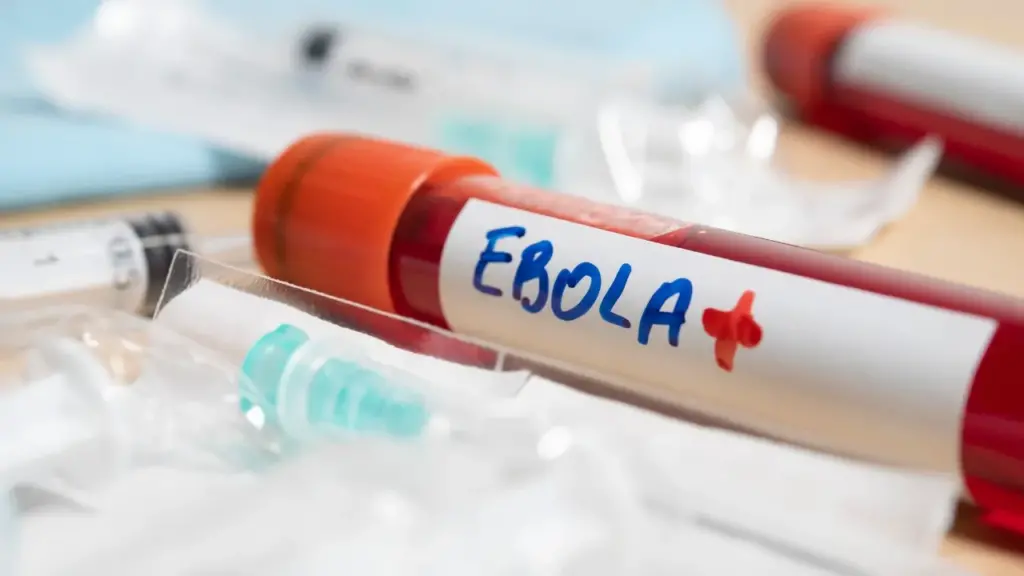
More than 500 dead in DR Congo Ebola outbreak
Summarized and contextualized by DistantNews.
At a glance
News
From a news agency
Ongoing story
- More than 500 people have died in the Ebola outbreak in the Democratic Republic of Congo (DRC).
- The World Health Organization reported 1,561 confirmed cases and 506 deaths in the DRC, with two additional deaths in Uganda.
- The outbreak is driven by a rare species of Ebola for which there are no approved vaccines or treatments, though trials for potential treatments have begun.
The Ebola outbreak gripping the Democratic Republic of Congo has claimed the lives of over 500 people, according to updated figures from the World Health Organization. The UN health agency reported 1,561 confirmed cases in the DRC since the outbreak was declared in mid-May, resulting in 506 confirmed deaths. Two additional deaths have occurred in neighboring Uganda, where the situation is reportedly more stable.
In the DRC, 254 patients have recovered, while 354 suspected cases are currently under investigation. The outbreak, primarily centered in Ituri province, is caused by the rare Bundibugyo species of Ebola. This particular strain lacks approved vaccines or treatments, posing a significant challenge to containment efforts. However, trials for two potential treatments began in the DRC on Thursday, evaluating monoclonal antibody MBP134 and the antiviral drug remdesivir.
The next pandemic will not wait for us to be ready. The Ebola outbreak still unfolding in the DRC right now is proof of that. It is not some distant, hypothetical scenario in a briefing document. It is happening.
The grim milestone of 500 confirmed deaths coincides with ongoing negotiations among WHO member states for a pandemic agreement. WHO chief Tedros Adhanom Ghebreyesus warned that "the next pandemic will not wait for us to be ready," citing the ongoing Ebola outbreak as a "painful reminder" that the threat of such diseases persists.
The virus spreads through close contact and infected bodily fluids. The DRC's 17th Ebola outbreak was declared on May 15 in Ituri, a region plagued by armed groups and poor sanitation in displacement camps. Humanitarian partners warn that funding shortfalls are limiting response activities, with the humanitarian appeal for the DRC only 54 percent funded. A doctor who tested positive for Ebola after flying from the DRC to France has since recovered.
Ebola may not be the next pandemic. But it is a reminder, a painful one, that the threat never truly goes away.
DistantNews Editorial
Originally published by Jamaica Observer. Summarized and contextualized by our editorial team with added local perspective. Read our editorial standards.
More Stories



From Our Blog

What Gets Lost (and Found) When News Is Translated

The Critical Role of Diaspora Media in Global News

What Travellers Should Know About Countries with Restricted Press

A Digital Nomad's Guide to Following Local News

How the Same Story Looks Different in Different Countries
