


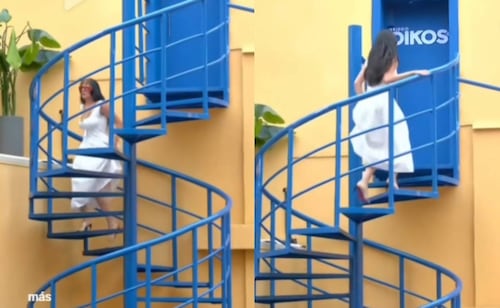

Morena lawmaker seeks posthumous rights and ban on photographing or recording bodies
Translated from Spanish and summarized by DistantNews. Read the original for the full story.
At a glance
News
Named sources
New plan
- Morena lawmaker Rosario Morales proposed adding posthumous dignity protections to Mexico City’s constitution.
- The initiative would prohibit photographing, recording or distributing physical and digital content that explicitly shows a person’s cause of death or the condition of their body.
- Morales said a person’s dignity, image, wishes and decisions should remain protected after death.
A Morena lawmaker in Mexico City has proposed recognising posthumous rights and prohibiting photographs or recordings of bodies found in public places or homes.
Rosario Morales presented the initiative during Tuesday’s ordinary session. Referred to committees, it would add Article 14 Bis to the Constitution of Mexico City to guarantee a dignified death and protect a person’s dignity after death.
The proposal says people should have the right not to have physical, printed, electronic or digital content distributed or displayed if it explicitly shows the cause of their death or the condition of their body. People with legal authority under applicable law could exercise that right, while city authorities would be responsible for respecting the body of the deceased.
A person does not disappear, nor are they completely extinguished when they die. Their history, decisions, memories, recollections and the will they expressed during life remain.
Morales said the measure would protect a person’s will, dignity, decency and image after death. “A person does not disappear, nor are they completely extinguished when they die. Their history, decisions, memories, recollections and the will they expressed during life remain,” she said.
She acknowledged that traditional legal doctrines generally say rights begin with life and end with death, but argued that some decisions necessarily extend beyond that point. These include what happens to a person’s property and body, whether they wished to donate organs, how they wanted to be farewelled and how their dignity should be respected. “Because caring for those who are no longer here and respecting those who can no longer defend themselves also speaks to the kind of society we want to be,” Morales added.
Because caring for those who are no longer here and respecting those who can no longer defend themselves also speaks to the kind of society we want to be.
About this summary
Originally published by El Universal in Spanish. Translated, summarized, and contextualized automatically by DistantNews, with a note on how the source frames the story. Not individually reviewed before publishing. How this works.
More Stories
From Our Blog

What Press Freedom Means for the News You Read

News in Translation: What Gets Lost, and How We Keep the Framing

Diaspora Media: How Communities Follow News From Home

Traveling Where the Press Is Not Free: How to Read the News There

The Digital Nomad's Guide to Local News
