


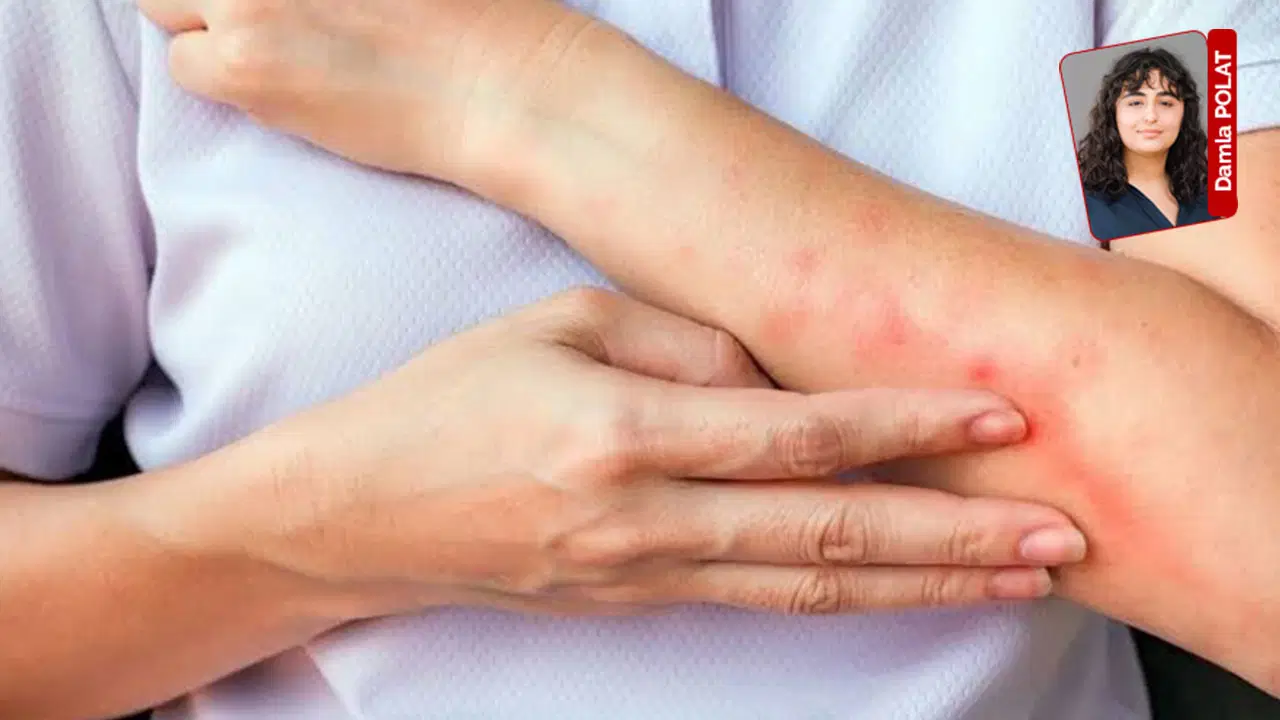
Mosquito bites: Don't underestimate them, infection may have occurred
Translated from Turkish, summarized and contextualized by DistantNews.
At a glance
News
Sources not specified
Context piece
- Mosquito bites, often dismissed as minor irritations, can cause severe allergic reactions and transmit diseases like West Nile virus and malaria.
- Dr. Ahmet Mehlepçi explained that mosquito saliva triggers histamine release, causing itching, redness, and swelling.
- While local dengue fever is not yet reported in Turkey, imported cases can occur, and severe reactions to bites require immediate medical attention.
Mosquito bites, a common nuisance during warmer months, can pose more significant health risks than commonly perceived, ranging from severe allergic reactions to the transmission of serious diseases.
The female mosquito attempts to reach a small blood vessel in the skin with its mouthpart, called a proboscis. During this process, it leaves a small amount of saliva in the tissue.
Dr. Ahmet Mehlepçi, General President of the Union of Solidarity, highlighted the biological process behind these reactions. When a female mosquito bites, it injects saliva containing proteins that the human immune system identifies as foreign antigens. This triggers the release of histamine and other substances, leading to the characteristic itching, redness, and swelling.
The proteins in mosquito saliva are perceived by the immune system as foreign antigens. As a result, various substances are secreted, primarily histamine, which causes redness, swelling, and itching.
While typical reactions usually subside within a few days and remain localized, Mehlepçi warned that allergic reactions can manifest as larger swellings and widespread rashes. He stressed the critical need for immediate medical evaluation if symptoms like shortness of breath or swelling of the tongue or throat occur, indicating a severe allergic response.
Especially if symptoms indicating a severe allergic reaction, such as shortness of breath, or swelling in the tongue or throat area, develop, urgent medical evaluation is necessary.
Scratching bite areas can break the skin's integrity, increasing the risk of infection. Mehlepçi advised cleaning bites with soap and water, applying cold compresses, and avoiding scratching as primary management steps. He also noted that while local dengue fever cases have not been reported in Turkey, individuals can contract the illness during travel, underscoring the importance of awareness regarding mosquito-borne diseases.
Scratching the bitten area can disrupt the integrity of the skin, increasing the risk of infection.
DistantNews Editorial
Originally published by Cumhuriyet in Turkish. Translated, summarized, and contextualized by our editorial team with added local perspective. Read our editorial standards.
More Stories


From Our Blog

What Gets Lost (and Found) When News Is Translated

The Critical Role of Diaspora Media in Global News

What Travellers Should Know About Countries with Restricted Press

A Digital Nomad's Guide to Following Local News

How the Same Story Looks Different in Different Countries
