


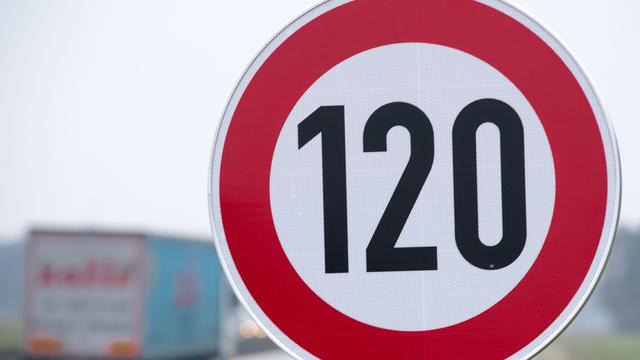
Motorist withdraws lawsuit against 120 km/h speed limit on German motorway
Translated from German, summarized and contextualized by DistantNews.
At a glance
News
From a news agency
Outcome reported
- A motorist has withdrawn their lawsuit challenging a 120 km/h (75 mph) speed limit on the A1 motorway in Germany.
- The driver argued that the speed limit, imposed between Münster-Nord and Greven, lacked legal basis and should not be enforced.
- The Federal Highway Company cited increased accident risk as the reason for the speed restriction.
A legal dispute over a 120 km/h (75 mph) speed limit on Germany's A1 motorway has concluded after the motorist involved withdrew their lawsuit. The case was set to be heard at the Administrative Court in Münster on June 18.
The driver had challenged the speed limit, which applies between the Münster-Nord interchange and the Greven exit in the direction of Bremen. They argued that the posted signs were unlawful and therefore unenforceable. The Federal Highway Company, the defendant in the case, had justified the speed restriction by citing an increased risk of accidents on that stretch of the A1, a major north-south route connecting North Rhine-Westphalia with northern Germany.
With the withdrawal of the lawsuit, the scheduled court hearing has been canceled. The A1 motorway is a critical transportation artery, particularly the section that extends into Lower Saxony from the Lotte/Osnabrück interchange. The legal challenge highlighted a common tension between traffic safety regulations and drivers' perceptions of necessity and legality.
The case originated from a speed limit imposed for safety reasons, which the driver contested. The court system provides a mechanism for individuals to challenge administrative decisions they believe are unfounded. However, the driver's decision to drop the case means the speed limit remains in effect without a judicial ruling on its merits.
DistantNews Editorial
Originally published by Die Zeit in German. Translated, summarized, and contextualized by our editorial team with added local perspective. Read our editorial standards.
More Stories



From Our Blog

What Gets Lost (and Found) When News Is Translated

How the Same Story Looks Different in Different Countries

The Critical Role of Diaspora Media in Global News

What Travellers Should Know About Countries with Restricted Press

A Digital Nomad's Guide to Following Local News
