


Mount Rainier’s fish-stocking legacy threatens native aquatic species
Summarized by DistantNews. Read the original for the full story.
At a glance
In-depth
Documents & data
Context piece
- Mount Rainier National Park stocked more than nine million fish between 1915 and 1972, introducing non-native species into waters that had previously been naturally fishless.
- Brook trout now compete with and prey on native amphibians and federally threatened bull trout, while also potentially hybridizing with them.
- Scientists are using environmental DNA collected from water to map fish and amphibian populations in remote areas where conventional surveys are costly and time-consuming.
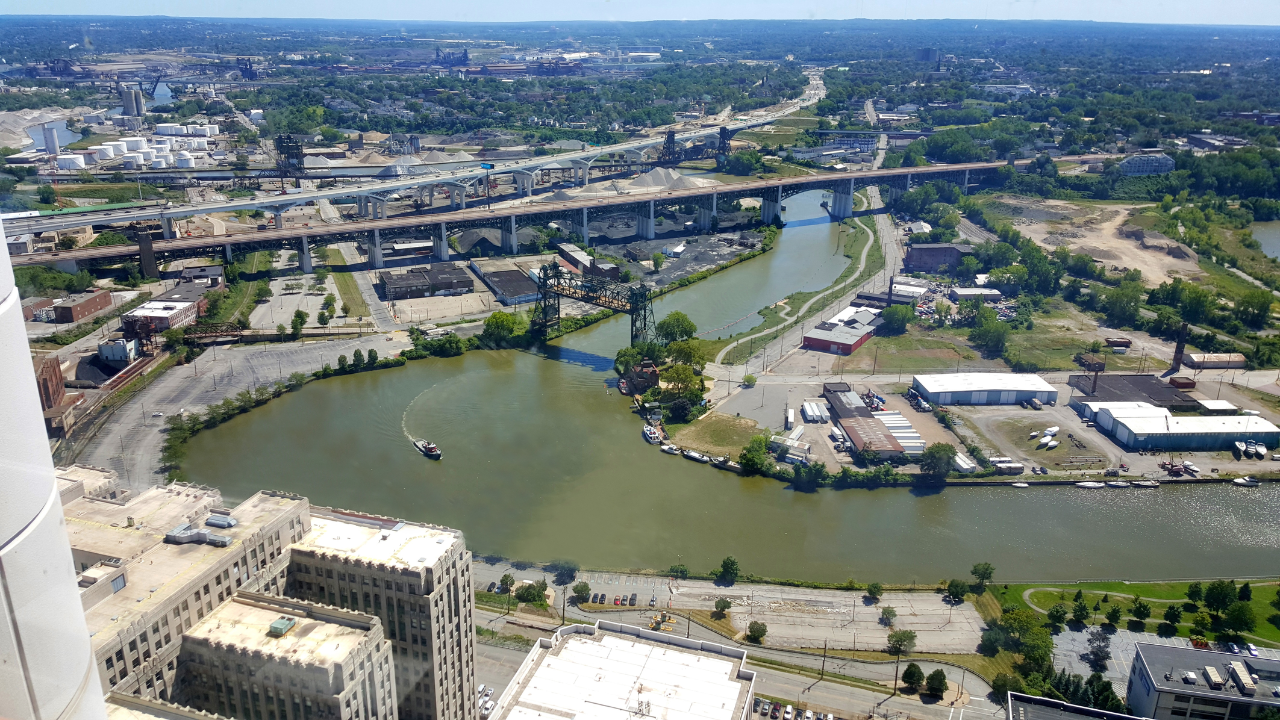
For more than a century, fish stocking in Mount Rainier National Park has reshaped waters that once had no fish at all. Between 1915 and 1972, more than nine million fish entered the park’s lakes and streams in an effort to create recreational fishing opportunities.
The change brought new pressures to native species. Before fish were introduced, the park’s lakes offered amphibians relatively secure breeding sites and habitat. Brook trout and other non-native fish altered that balance by feeding on amphibians, competing with native species and changing aquatic food webs.
The effects also reach bull trout, a federally threatened char species that depends on cold-water streams and lakes. Brook trout compete with bull trout for resources, prey on young bull trout and can hybridize with them. Scientists are also investigating whether Dolly Varden live in the park, although the species has not yet been documented there.
The National Park Service report says about 35 lakes and many streams still support breeding populations of non-native fish. Conservationists view the continued spread and persistence of introduced fish as one of the major potential threats to amphibian species of concern in the park.
Researchers are turning to environmental DNA, or eDNA, to find clues in remote waters. Fish and amphibians leave genetic material in water through feces, mucus, skin, scales and carcasses. Scientists can collect those traces by pumping water through a fine filter, offering a way to study populations that are difficult and expensive to survey directly.
About this summary
Originally published by Times of India. Summarized and contextualized automatically by DistantNews, with a note on how the source frames the story. Not individually reviewed before publishing. How this works.
More Stories

From Our Blog

What Press Freedom Means for the News You Read

News in Translation: What Gets Lost, and How We Keep the Framing

Diaspora Media: How Communities Abroad Follow Home

Traveling Where the Press Is Not Free: How to Read the News There

The Digital Nomad's Guide to Local News
