



Moving Nigeria’s Fuel-Subsidy Debate Beyond Ideological Slogans
Translated from English and summarized by DistantNews. Read the original for the full story.
At a glance
Analysis
Named sources
Context piece
- The article examines renewed calls by African Democratic Congress presidential candidate Atiku Abubakar to restore a form of fuel subsidy if elected in 2027.
- It weighs government supporters’ objections over corruption, fiscal costs and benefits flowing to wealthier petrol consumers against arguments that Nigeria’s previous system was poorly designed rather than inherently misguided.
- The article says the central policy question should be whether Nigeria can target energy support to vulnerable citizens while limiting abuse and waste.
Nigeria’s fuel-subsidy debate should move beyond the familiar ideological divide over whether the state should intervene or let petrol prices follow the market. The sharper question, Iyobosa Uwugiaren argues, is what kind of subsidy could protect poor Nigerians at the lowest possible cost to taxpayers.
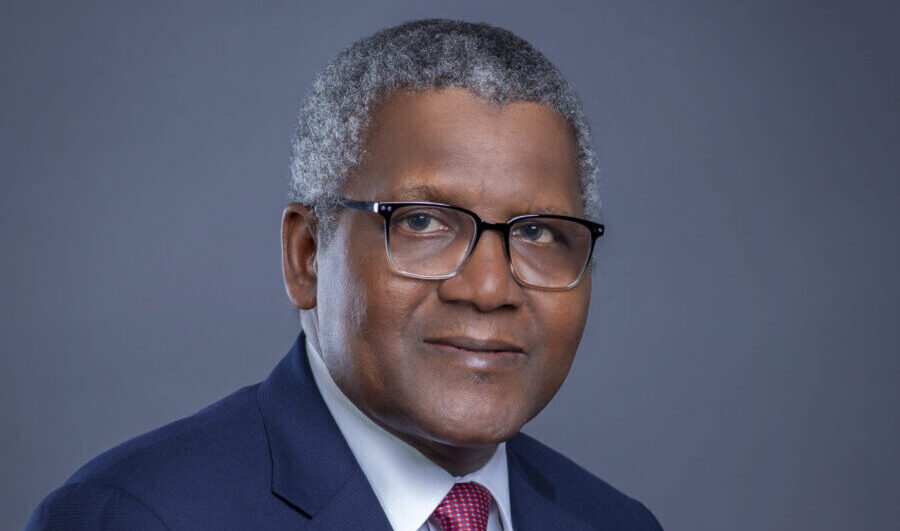
The debate regained force after Atiku Abubakar, a former vice-president and African Democratic Congress candidate in the January 2027 presidential election, reaffirmed that he would restore a form of fuel subsidy if elected. Atiku says Nigeria’s oil resources should allow the country to shield citizens from excessive energy costs, a position that has generated controversy.
Critics, particularly government supporters, say subsidies place a heavy burden on public finances, encourage corruption and disproportionately benefit richer Nigerians who consume more petrol. They also argue that subsidies divert money from infrastructure, healthcare and education. The previous regime, the article notes, faced allegations of fraud, opaque accounting and weak controls.
But the failure of that system does not necessarily prove that energy subsidies are wrong in principle. It may instead show that Nigeria designed and administered the policy badly. The article asks whether politicians, importers, middlemen and officials can be prevented from capturing the benefits while poor and vulnerable citizens receive meaningful protection.
International practice also challenges the idea that serious economies simply allow energy prices to float freely. The World Bank’s database of 154 economies recorded official fuel subsidies, price controls or fuel-tax reductions in many countries between 2021 and 2024. The article uses that evidence to argue that Nigeria’s choice is not simply subsidy or no subsidy, but whether it can build a system that works.
About this summary
Originally published by ThisDay in English. Translated, summarized, and contextualized automatically by DistantNews, with a note on how the source frames the story. Not individually reviewed before publishing. How this works.
More Stories


From Our Blog

The Same Story, Different Countries: How Coverage Changes at the Border

News in Translation: What Gets Lost, and How We Keep the Framing

Diaspora Media: How Communities Follow News From Home

Traveling Where the Press Is Not Free: How to Read the News There

The Digital Nomad's Guide to Local News
