


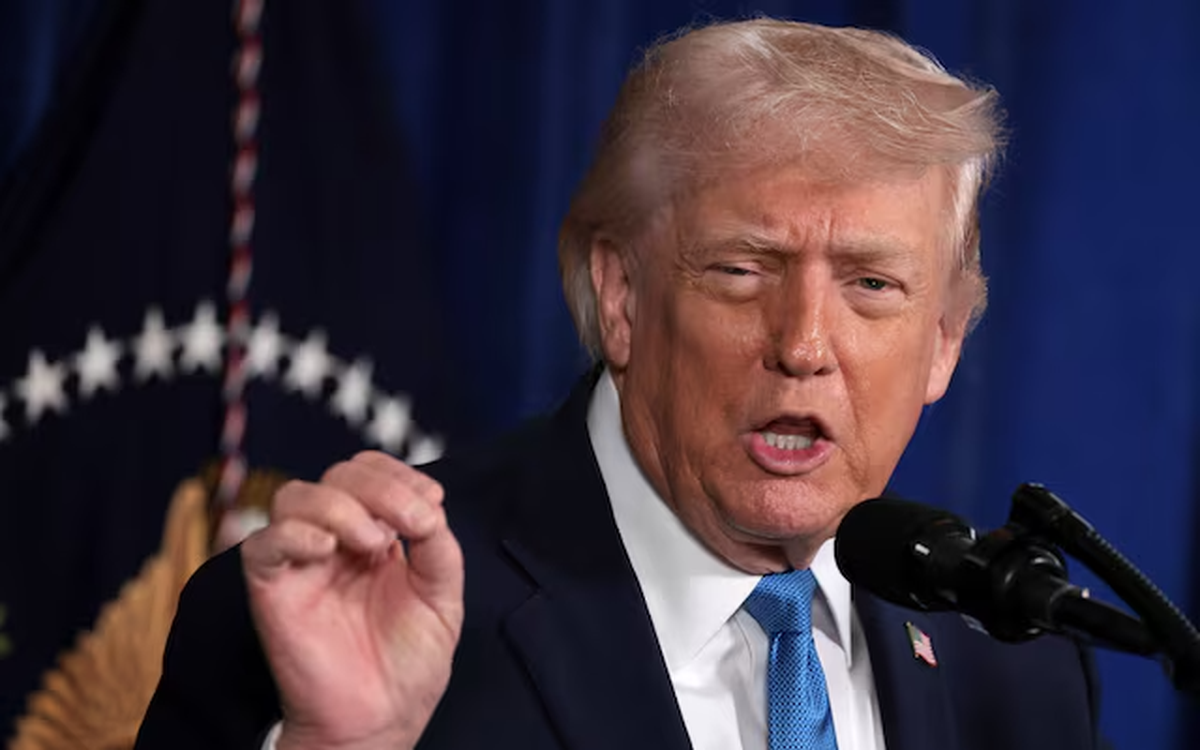
Mr. Trump Accuses Iran of 'Completely Violating' Ceasefire Agreement
Translated from Vietnamese, summarized and contextualized by DistantNews.
TLDR
- U.S. President Donald Trump accused Iran of a "total violation" of the ceasefire agreement following an incident near the Strait of Hormuz.
- Trump warned that the U.S. is prepared to destroy Iran's infrastructure if upcoming negotiations fail, describing the U.S. proposal as "very fair and reasonable."
- Despite the U.S. stance, Iran confirmed it would maintain the closure of the Strait of Hormuz, a critical global energy route, while discussions on nuclear issues and the strait's status remain points of contention.
The ongoing tensions between the United States and Iran have once again escalated, with President Donald Trump issuing stark warnings regarding Iran's alleged violations of a ceasefire agreement. The incident near the Strait of Hormuz, a vital chokepoint for global energy transport, has become the latest flashpoint in a long-standing geopolitical standoff. Trump's rhetoric, characterized by threats to "destroy every power plant and every bridge in Iran" should negotiations falter, underscores the high stakes involved.
Iran fired yesterday in the Strait of Hormuz – a total violation of the ceasefire agreement!
From Iran's perspective, the U.S. accusations and threats are part of a pattern of aggressive posturing aimed at exerting pressure. The nation maintains its right to secure its interests and respond to perceived provocations. The confirmation that Iran will continue to keep the Strait of Hormuz closed signals a firm stance, emphasizing the strategic importance of this waterway to its national security and economic leverage. The differing accounts of the incident involving Indian-flagged vessels—whether they were fired upon or merely intercepted—further illustrate the complex and often contradictory information landscape surrounding these events.
We have put forth a very fair and reasonable deal, I hope they take it. If they don't, the United States will destroy every power plant and every bridge in Iran. The United States will not be lenient!
Negotiations, as described by Iranian Parliament Speaker Mohammad Bagher Ghalibaf, are fraught with significant disagreements, particularly concerning the nuclear program and the status of the Strait of Hormuz. These are not merely technical issues but deeply intertwined with national sovereignty and regional security concerns. The U.S. characterization of its proposal as "very fair and reasonable" contrasts sharply with Iran's position, highlighting a fundamental gap in understanding and trust.
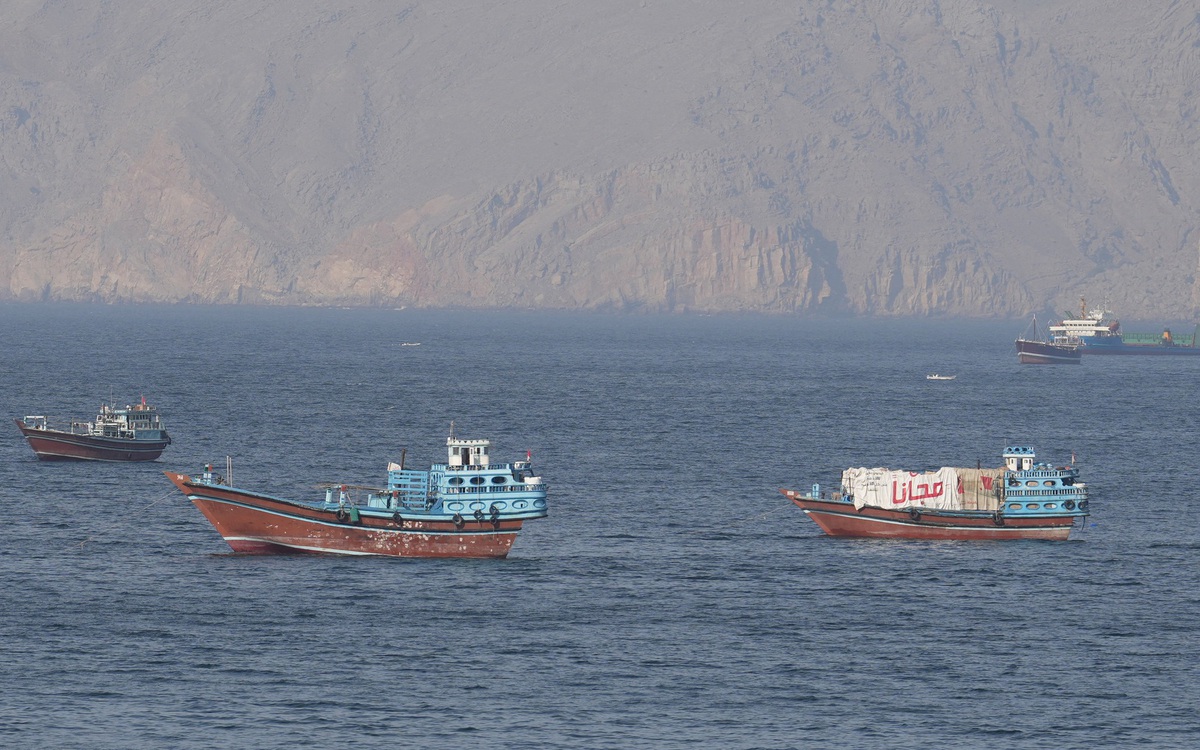
The Strait of Hormuz – the world's strategic energy transport artery – has been almost closed since the U.S. and Israel launched a military operation against Iran on February 28.
This situation is viewed with particular concern within Iran, where the focus remains on navigating international pressure while safeguarding national interests. The narrative often presented in Western media, which may emphasize U.S. assertions of Iranian aggression, often overlooks Iran's own security considerations and its perspective on regional stability. The continued closure of the Strait of Hormuz, while disruptive to global trade, is seen by some within Iran as a necessary measure to deter further aggression and assert its strategic importance in the region. The path forward remains uncertain, with both sides holding firm to their positions, making the prospect of a peaceful resolution challenging.
There are still major disagreements between the two sides on the nuclear issue and the status of the Strait of Hormuz – the two main bottlenecks in the negotiation process.
DistantNews Editorial
Originally published by Tuổi Trẻ in Vietnamese. Translated, summarized, and contextualized by our editorial team with added local perspective. Read our editorial standards.
More Stories


From Our Blog

What Gets Lost (and Found) When News Is Translated

The Critical Role of Diaspora Media in Global News

What Travellers Should Know About Countries with Restricted Press

A Digital Nomad's Guide to Following Local News

How the Same Story Looks Different in Different Countries
