


Multi-Level Partnerships Key to Gulf Security, Report Finds
Translated from English and summarized by DistantNews. Read the original for the full story.
At a glance
Analysis
Named sources
Context piece
- Gulf states can enhance regional security by combining self-reliance with international partnerships, according to a report by Ambassador Alessandro Minuto-Rizzo.
- The report suggests partnership with NATO is crucial for developing Gulf defense capabilities and strategic dialogue.
- While the U.S. remains a cornerstone of Gulf security, the report notes the limits of traditional deterrence and the importance of diversified partnerships.
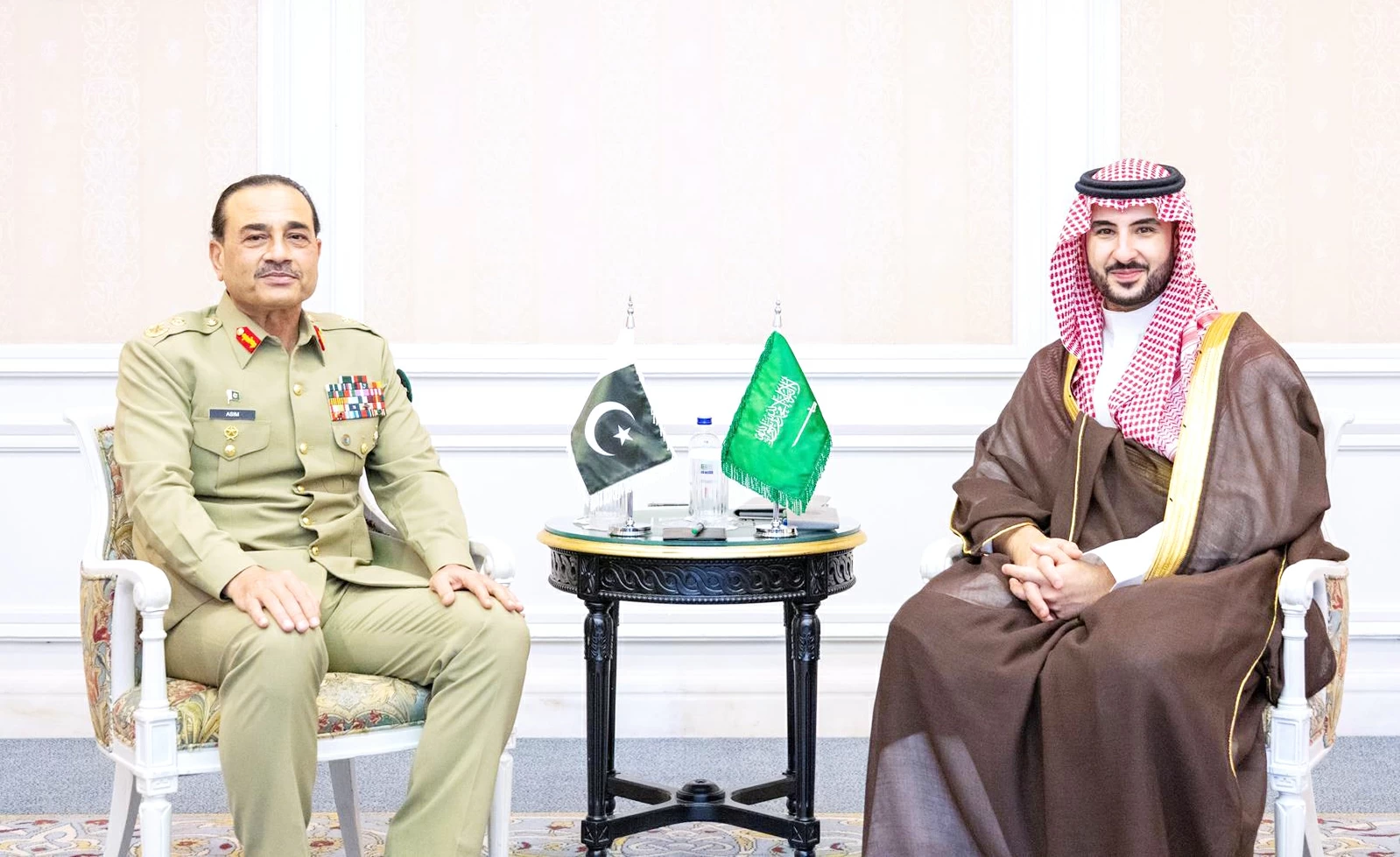
Gulf states are strategically positioned to significantly influence regional security by adopting a multi-level approach that integrates greater self-reliance with expanded international partnerships, according to an analytical report by Ambassador Alessandro Minuto-Rizzo. The report, published by the Gulf Research Center in Jeddah, argues that this strategy is key in the aftermath of the war against Iran.
Minuto-Rizzo, President of the NATO Defense College Foundation and former Deputy Secretary General of NATO, highlights partnership with the North Atlantic Treaty Organization (NATO) as a vital avenue for bolstering Gulf defense capabilities. Such collaboration offers opportunities to leverage the alliance's extensive military and operational expertise while fostering strategic dialogue and exchanges in security and defense matters.
The report advocates for a multi-level security strategy that diversifies partnerships, strengthens self-reliance, and maintains strategic ties with the United States, while also expanding engagement with Europe and NATO. It commends the Gulf states for their political prudence during the war against Iran, noting their efforts to avoid military confrontation despite facing attacks and direct damage. The report also points to the recent restoration of Saudi-Iranian relations through Chinese mediation as an example of diplomatic engagement.
While acknowledging the United States as the cornerstone of Gulf security, Minuto-Rizzo's report suggests that recent events have exposed limitations in traditional deterrence assumptions. The decision by Gulf states not to respond militarily to Iranian attacks, the report argues, was not a sign of weakness but a calculated political understanding of the risks associated with escalating the conflict into a full-scale regional war. This approach, combined with diplomatic openings and strengthened contacts with other security partners like Pakistan, Egypt, and Türkiye, demonstrates a nuanced strategy for regional stability.
About this summary
Originally published by Asharq Al-Awsat in English. Translated, summarized, and contextualized automatically by DistantNews, with a note on how the source frames the story. Not individually reviewed before publishing. How this works.
More Stories


From Our Blog

What Gets Lost (and Found) When News Is Translated

The Critical Role of Diaspora Media in Global News

What Travellers Should Know About Countries with Restricted Press

A Digital Nomad's Guide to Following Local News

How the Same Story Looks Different in Different Countries
