

Munich Ends Water Ban as Consumption Drops
Translated from German, summarized and contextualized by DistantNews.
At a glance
News
Sources not specified
Outcome reported
- Munich will not extend its water usage ban, which expires on August 1, as water consumption has decreased.
- The ban, implemented due to prolonged drought, restricted watering gardens and filling private pools, with potential fines up to 50,000 euros.
- Despite the ban's end, authorities urge continued responsible water use as the hydrological situation remains tense with low groundwater levels.
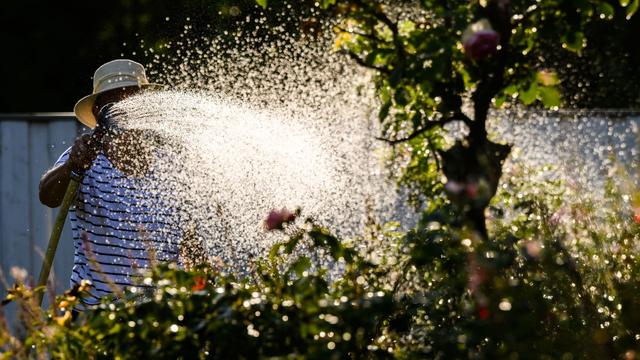
Munich will not extend its water usage ban, which is set to expire on August 1. City officials announced that the restriction, implemented in mid-July due to prolonged drought and high water consumption, will not be continued. The ban had prohibited watering gardens and filling private pools, with violations potentially incurring fines of up to 50,000 euros.
The decision to lift the ban comes as water consumption in the city has reportedly decreased. While initial consumption had reached over 400 million liters per day, it has since fallen to around 330 million liters. Officials anticipate that the upcoming summer holidays, which typically see reduced water usage due to travel, will help mitigate any potential consumption spikes from the current heatwave.
However, authorities caution that the hydrological situation remains precarious. Groundwater levels are still low, and a mindful approach to drinking water consumption is still necessary. The city and its utility provider, Stadtwerke München (SWM), are urging both businesses and residents to continue using water consciously and responsibly.
Mayor Dominik Krause thanked Munich's residents for their cooperation in preventing the tense situation from escalating into a crisis. He reiterated that despite the expected decrease in water use during the holidays, conserving drinking water remains crucial. The high temperatures and ongoing drought continue to strain the city's water supply, and further measures will be considered if the situation deteriorates significantly.
DistantNews Editorial
Originally published by Die Zeit in German. Translated, summarized, and contextualized by our editorial team with added local perspective. Read our editorial standards.
More Stories

From Our Blog

What Gets Lost (and Found) When News Is Translated

How the Same Story Looks Different in Different Countries

The Critical Role of Diaspora Media in Global News

What Travellers Should Know About Countries with Restricted Press

A Digital Nomad's Guide to Following Local News
