


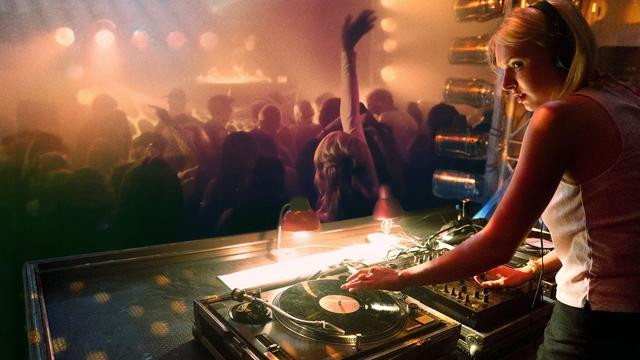
Munich's Techno Era Revived in New ZDF Series 'München Beats'
Translated from German, summarized and contextualized by DistantNews.
At a glance
News
From a news agency
Context piece
- A new mini-series titled "München Beats" explores Munich's techno history, focusing on the Kunstpark Ost which opened in 1996.
- The series, available on ZDF, dramatizes the era through the story of Linda, who dreams of becoming a DJ and transforming her father's failing knödel factory into a rave venue.
- It highlights the cultural significance of techno music in Munich during the 90s, including iconic clubs like "Ultraschall" and its recognition as intangible cultural heritage.
Munich's vibrant techno scene of the 1990s, a period that saw the rise of iconic clubs and a unique party culture, is brought to life in the new mini-series "München Beats." The four-part series, airing on ZDF, delves into this era through the story of Linda, a young woman aspiring to be a DJ.
Linda's journey begins as she moves to Munich with dreams of making it in the techno world. Facing a lack of suitable venues, she and her boyfriend Marius devise a bold plan: transform Marius's father's failing knödel factory into a massive party destination. This ambitious idea, however, meets resistance from Marius's father and is complicated by unfolding family dramas.
The series captures the spirit of a time when techno music was gaining momentum, even becoming an intangible cultural heritage in 2024. It revisits legendary spots like the "Ultraschall" club, once located at the Munich Riem airport, and touches upon illegal raves held in unconventional spaces. The narrative also features cameos from notable DJs of the era, such as DJ Hell, Marusha, Westbam, and Sven Väth, who performed at Kunstpark Ost.
"München Beats" aims to evoke the feeling of that bygone era, comparing the interconnectedness of the party scene to the early "World Wide Web." Director Mimi Kezele, who experienced the scene firsthand, emphasizes the communal aspect of techno events. "You have to listen to it loud, really incredibly loud and together with other people. And then you let it into your whole body and you feel it and then at some point you float," she describes the immersive experience.
DistantNews Editorial
Originally published by Die Zeit in German. Translated, summarized, and contextualized by our editorial team with added local perspective. Read our editorial standards.
More Stories


From Our Blog

What Gets Lost (and Found) When News Is Translated

How the Same Story Looks Different in Different Countries

The Critical Role of Diaspora Media in Global News

What Travellers Should Know About Countries with Restricted Press

A Digital Nomad's Guide to Following Local News
