

Munich to convert vacant offices into housing with new agency
Translated from German, summarized and contextualized by DistantNews.
At a glance
News
From a news agency
New plan
- Munich plans to convert vacant office spaces into much-needed housing, with a new agency to manage the process.
- The city council's planning committee has approved the establishment of this conversion agency, which requires final confirmation from the full council.
- This initiative aims to address Munich's severe housing shortage and high rents by utilizing approximately 1.8 million square meters of empty office space.
Munich is taking steps to transform its surplus of vacant office buildings into residential units to combat a critical housing shortage.
The city council's planning committee has approved the creation of a dedicated agency tasked with overseeing the conversion of these commercial spaces into homes. The proposal, which received unanimous support in the committee, now awaits final approval from the full city council. The agency is planned to be staffed with twelve employees.
Munich has approximately 1.8 million square meters of vacant office space. In times of skyrocketing rents and housing scarcity, Munich can no longer afford this vacancy.
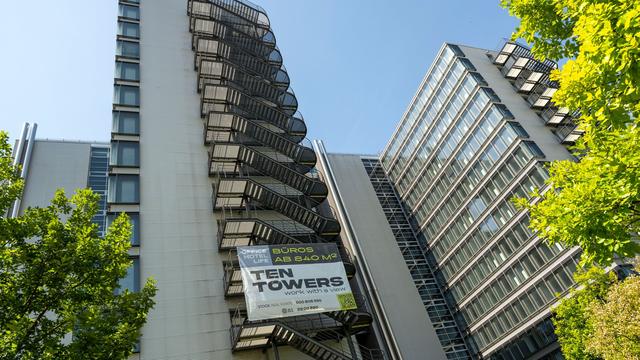
This move fulfills a key campaign promise by Mayor Dominik Krause (Greens), who sees significant potential in Munich's commercial real estate for developing urgently needed housing. The city council had already initiated a pilot project in February involving the "Ten Towers," a former office complex in eastern Munich slated for conversion into apartments for students and trainees.
"Munich has approximately 1.8 million square meters of vacant office space. In times of skyrocketing rents and housing scarcity, Munich can no longer afford this vacancy," Krause stated. He emphasized that while the conversion agency alone will not solve the strained rental market, it represents a crucial component of a broader strategy to address the city's pressing housing crisis.
The conversion agency will not solve the strained rental market alone, but it is an important building block, and others will follow.
DistantNews Editorial
Originally published by Die Zeit in German. Translated, summarized, and contextualized by our editorial team with added local perspective. Read our editorial standards.
More Stories

From Our Blog

What Gets Lost (and Found) When News Is Translated

How the Same Story Looks Different in Different Countries

The Critical Role of Diaspora Media in Global News

What Travellers Should Know About Countries with Restricted Press

A Digital Nomad's Guide to Following Local News
