

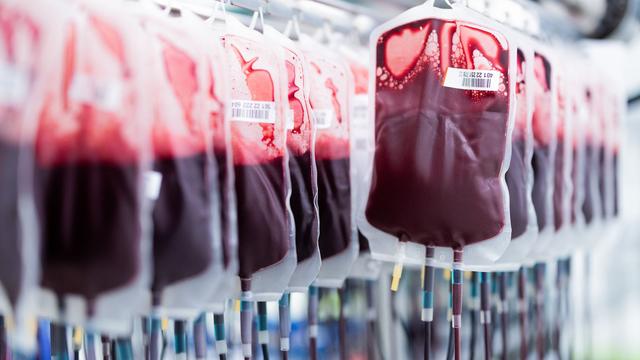

Muscles and Health: How Muscles Heal the Body
Translated from German, summarized and contextualized by DistantNews.
At a glance
In-depth
Sources not specified
Context piece
- Muscles are key to a long and healthy life, according to longevity influencers.
- Muscles absorb nutrients from blood, aiding fat loss, and produce hormones called myokines with potential healing effects.
- Research involves studying muscle function in labs and analyzing training needs for men and women, especially post-menopause.
Muscles are increasingly recognized as central to longevity and overall health, moving beyond their traditional role in physical strength. Influencers in the longevity space often tout the benefits of muscle mass for a longer, healthier life, but scientific backing is crucial to understand these claims.
Research indicates that muscles act like "vacuum cleaners" for nutrients in the blood, potentially aiding in fat reduction. Furthermore, they produce hormones known as myokines, which scientists believe may have beneficial effects throughout the body, contributing to healing and well-being.
To delve deeper into these processes, researchers are conducting studies, including experiments with muscular pigs and personal training regimens. They aim to determine optimal strength training protocols for both men and women, with a particular focus on the needs of women after menopause, a period where maintaining muscle and bone health is critical. The connection between muscle and bone health is a key area of investigation, with specific differences noted between genders.
Discussions also extend to the science behind muscle soreness, exploring what research reveals about this common post-exercise phenomenon. The broader implications of muscle health touch upon various aspects of human physiology, suggesting a more profound role for muscle tissue than previously understood.
DistantNews Editorial
Originally published by Die Zeit in German. Translated, summarized, and contextualized by our editorial team with added local perspective. Read our editorial standards.
More Stories

From Our Blog

What Gets Lost (and Found) When News Is Translated

How the Same Story Looks Different in Different Countries

The Critical Role of Diaspora Media in Global News

What Travellers Should Know About Countries with Restricted Press

A Digital Nomad's Guide to Following Local News
