


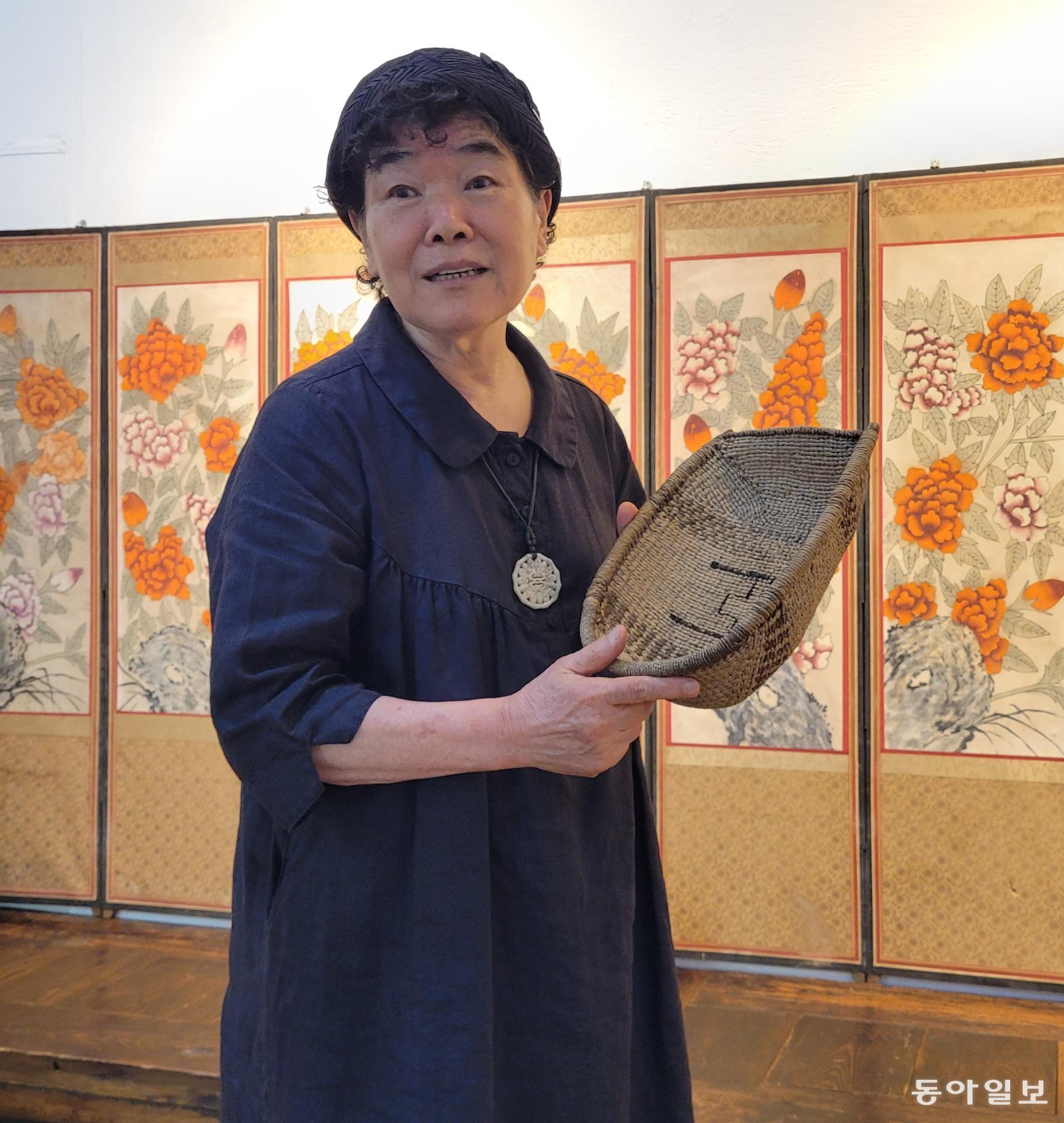
Museum director collects 30,000 folk artifacts, calling them Korea's 'great heritage'
Translated from Korean, summarized and contextualized by DistantNews.
At a glance
In-depth
Sources not specified
Context piece
- Lee Young-hwa, director of the Gwangju Museum of Emptiness, has collected over 30,000 everyday items from ordinary Koreans over 50 years.
- An exhibition showcases about 200 of these folk artifacts, alongside 50 installation art pieces, highlighting the value of traditional Korean culture.
- Lee hopes the exhibition will allow visitors to feel the spirit of mutual help and affection among ancestors from half a century ago.
Lee Young-hwa, the 78-year-old director of the Gwangju Museum of Emptiness, has dedicated over five decades to collecting nearly 30,000 everyday items used by ordinary Koreans. These artifacts, ranging from traditional farming tools like ox yokes and bellows to household items like gourds and fermentation molds, represent the "honest lives" of impoverished but diligent ancestors.
An exhibition titled 'Peace of the Korean Peninsula - Ox Yoke Sound' is currently running at the Kyungin Museum of Art in Seoul until next month. It features approximately 200 of Lee's folk artifacts and 50 installation art pieces. Lee believes these objects are not merely old possessions but embody a rich cultural heritage. "When you look at folk items, you feel that life is culture, and when culture is left behind, it becomes art," he stated.
Lee expressed sadness over the discarding and neglect of these items, particularly during the 1970s Saemaul Undong (New Village Movement). He sees these humble belongings as tangible evidence of ancestors who dedicated themselves to building a better life. While these items might be considered "worthless" in monetary terms, Lee emphasizes their immeasurable value. "The things left behind by poor people, aren't they our true great heritage?"
The exhibition aims to offer a different perspective on happiness, moving beyond the abundance of the industrial age. Lee hopes visitors will connect with the spirit of mutual support and affection that characterized Korean society half a century ago. "Through these hand-worn folk items, I hope people can feel the hearts of our ancestors who helped each other, shared, and offered affection just fifty years ago," he said. Notably, Lee's collection has garnered international attention, with European artists recognizing the unique aesthetic of Korean folk art, such as patchwork quilts that have been compared to the works of Piet Mondrian.
DistantNews Editorial
Originally published by Dong-A Ilbo in Korean. Translated, summarized, and contextualized by our editorial team with added local perspective. Read our editorial standards.
More Stories


From Our Blog

What Gets Lost (and Found) When News Is Translated

The Critical Role of Diaspora Media in Global News

What Travellers Should Know About Countries with Restricted Press

A Digital Nomad's Guide to Following Local News

How the Same Story Looks Different in Different Countries
