


“My child's water bottle is worrying me”… Fear of 'tumbler terrorism' spreads in Japanese schools
Translated from Korean, summarized and contextualized by DistantNews.
At a glance
News
Named sources
Context piece
- Japanese schools are experiencing a rise in "tumbler terrorism," where students' personal water bottles are tampered with, causing anxiety among parents.
- Incidents include finding strange smells, tastes, and even substances like sedatives, disinfectants, and magnets in students' drinks.
- Schools are implementing new storage policies, and safety products like fingerprint-locked tumblers are gaining popularity.
Parents in Japan are increasingly anxious as incidents of "tumbler terrorism" escalate in schools, with students' personal water bottles being tampered with. What began as isolated events have become a recurring problem, prompting concern beyond simple pranks.
In February and March of this year, a Tokyo elementary school reported multiple instances where students detected strange smells and tastes, described as similar to detergent or soapy water, in their drinks. These incidents have been mirrored in other schools. Last September, a student at a Tokyo elementary school was found to have put a sedative into another student's tumbler. Other reports include the addition of disinfectant alcohol and even magnets.
In response to the growing problem, educational authorities are adjusting school procedures. One Suginami ward education board has instructed students to keep their tumblers next to their desks rather than in lockers at the back of the classroom. Students must now carry their own bottles when moving between classes, and any suspected tampering must be reported to the police immediately.
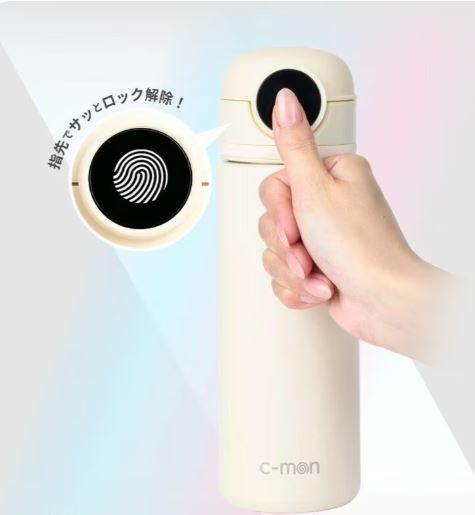
The fear has also fueled demand for safety-focused products. One Japanese sports fashion company's fingerprint-recognition locking tumbler has sold over 10,000 units in just six months. This product, originally designed to prevent drug tampering for athletes, is now sought after by parents concerned about their children's safety at school. The lock only opens with a registered fingerprint, offering a tangible security measure against unauthorized access.
My child's water bottle is worrying me.
DistantNews Editorial
Originally published by Dong-A Ilbo in Korean. Translated, summarized, and contextualized by our editorial team with added local perspective. Read our editorial standards.
More Stories


From Our Blog

What Gets Lost (and Found) When News Is Translated

The Critical Role of Diaspora Media in Global News

What Travellers Should Know About Countries with Restricted Press

A Digital Nomad's Guide to Following Local News

How the Same Story Looks Different in Different Countries
