


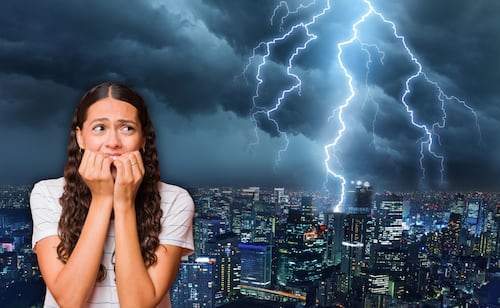
Myths and Realities: What to Do and Not Do During a Thunderstorm; Apply These Safety Measures
Translated from Spanish, summarized and contextualized by DistantNews.
At a glance
News
Sources not specified
Context piece
- During thunderstorms, it is essential to stay indoors in a secure structure and avoid contact with windows, electrical appliances, and plumbing.
- If outdoors, move away from electrical poles, metal fences, and umbrellas, and seek shelter in a car if possible.
- Avoid high places, open areas like parks and beaches, trees, water, and electrical devices during a storm.
As Mexico enters its thunderstorm season, typically from May to October, popular myths and misinformation can cause panic. Understanding safety measures is crucial to protect yourself during these events.
A thunderstorm is defined as a violent discharge of atmospheric electricity, manifesting as lightning and thunder, which can pose a significant risk to personal safety. The National Center for Disaster Prevention advises staying inside a secure dwelling or building, away from open windows, and minimizing contact with electricity and plumbing. It is recommended to disconnect electrical devices like TV antennas and use a mobile or cordless phone for communication, ensuring it is not connected to a power source.
If caught outdoors, maintain a safe distance from electrical poles, metal fences, and metal-tipped umbrellas. Taking shelter inside a car, with the engine off and windows closed, is a viable option. In open areas without immediate shelter, medical emergency technician Rodrigo Mata Santillana suggests crouching with feet together to minimize ground contact and reduce the risk of electrical shock.
The National Meteorological Service (SMN) outlines activities to avoid during thunderstorms. These include seeking refuge on high ground like hills or mountains, staying in open spaces such as parks, beaches, or sports fields, and sheltering under trees, which can attract lightning. Contact with water should be avoided, as should the use of electrical appliances and cables, since lightning can travel through phone lines. Even chimneys are discouraged, as they can facilitate the upward movement of ionized air.
In case you are in an open place, you should crouch with your feet together and make yourself small in the place, in order to reduce the surface of contact with the ground and interrupt the passage of energy.
DistantNews Editorial
Originally published by El Universal in Spanish. Translated, summarized, and contextualized by our editorial team with added local perspective. Read our editorial standards.
More Stories


From Our Blog

What Press Freedom Means for the News You Read

What Gets Lost (and Found) When News Is Translated

The Critical Role of Diaspora Media in Global News

What Travellers Should Know About Countries with Restricted Press

A Digital Nomad's Guide to Following Local News
