


Na Kyung-won proposes ‘Yong Hye-in prevention law’ as Basic Income Party hits back
Translated from Korean and summarized by DistantNews. Read the original for the full story.
At a glance
News
Named sources
New plan
- People Power Party lawmaker Na Kyung-won said she would introduce amendments to block parties from receiving state subsidies after returning lawmakers elected through satellite-party arrangements.
- She called the proposal the “parasite party prevention law” and targeted Basic Income Party lawmaker Yong Hye-in’s return to her original party after two elections.
- The Basic Income Party responded by criticizing the People Power Party’s own state subsidies and its stance over the insurrection controversy.
A new political clash over South Korea’s satellite-party system erupted after People Power Party lawmaker Na Kyung-won announced a bill aimed at stopping what she called a loophole for public funds.
Na said she would sponsor amendments to the Political Funds Act to prevent parties from collecting large state subsidies after lawmakers elected through proportional satellite parties return to their original parties through formal expulsions. She labeled the proposal the “parasite party prevention law” and the “Yong Hye-in prevention law,” directly targeting the Basic Income Party lawmaker who joined a proportional satellite party led by the Democratic Party in the 21st and 22nd general elections.
I will sponsor an amendment to the Political Funds Act that fundamentally blocks the structural contradiction in which a party elected through a proportional satellite party returns through a so-called disguised expulsion and appropriates massive state subsidies.
Yong was elected through those arrangements and later returned to the Basic Income Party after being expelled. Na argued that a party unable to win even 1% of public support could use a single seat gained through a satellite-party tactic to receive 1.1 billion won in taxpayer funds each year. She called that structure a loss to the state carried out under the appearance of legality.
A party that does not even receive the support of 1% of the people takes 1.1 billion won in taxpayer money every year using one seat obtained through a satellite-party trick.
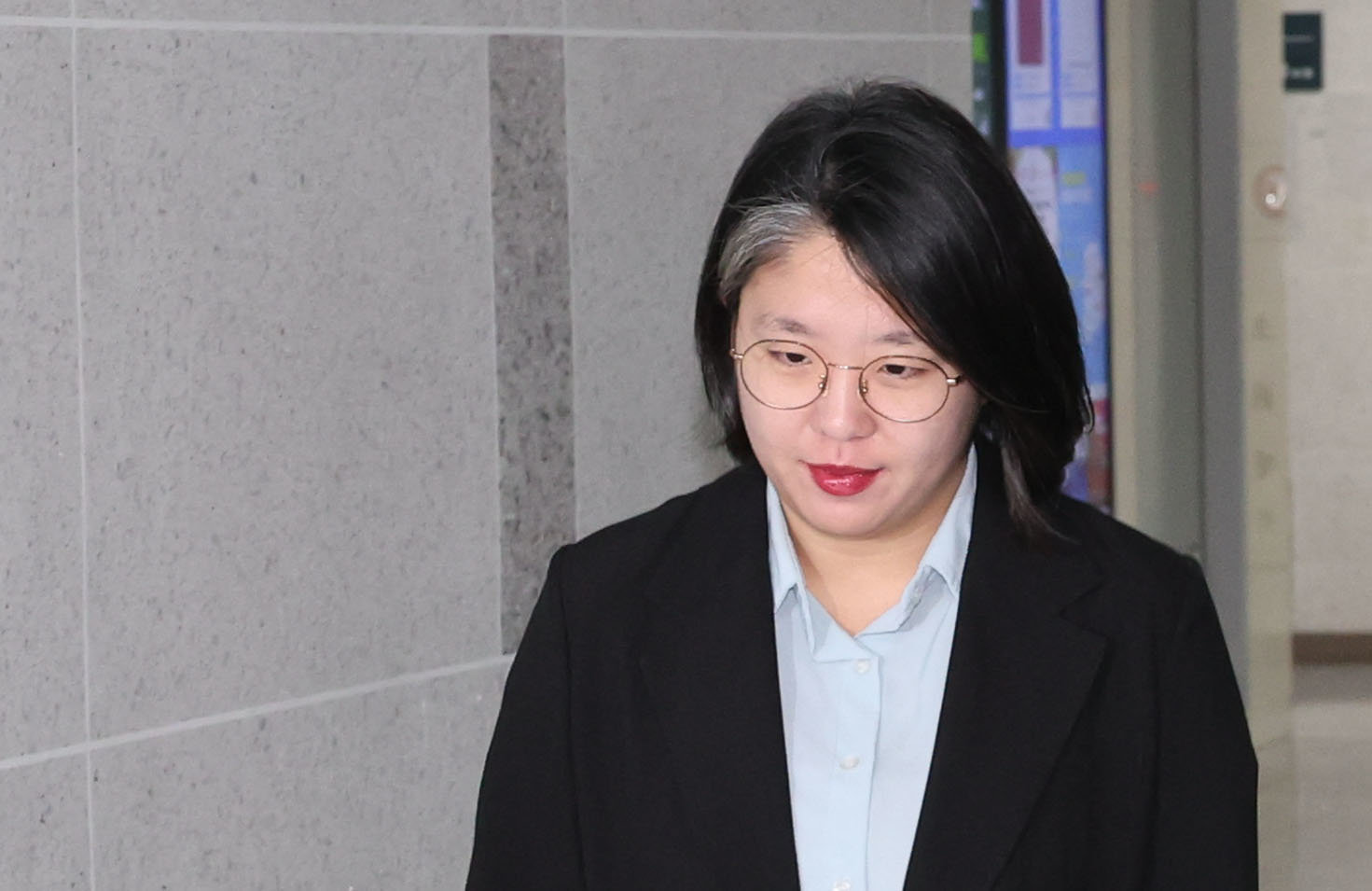
Basic Income Party spokesperson Noh Seo-young rejected the criticism. She said a party that had not reflected on the insurrection controversy was receiving more than 80 billion won a year in public money, and demanded that the People Power Party first give up its own subsidies.
The dispute stems from the semi-linked proportional representation system introduced for the 2020 general election. The system sought to improve proportionality and help smaller parties enter parliament, but both major political blocs created satellite-party arrangements in 2020 and again in 2024. Candidates won proportional seats through those parties and then returned to their original organizations after expulsion procedures.
A constitutional party that does not even reflect on the insurrection receives more than 80 billion won a year in taxes, and that is what constitutes a loss to the state and does not meet public standards.
About this summary
Originally published by Hankyoreh in Korean. Translated, summarized, and contextualized automatically by DistantNews, with a note on how the source frames the story. Not individually reviewed before publishing. How this works.
More Stories

From Our Blog

What Gets Lost (and Found) When News Is Translated

The Critical Role of Diaspora Media in Global News

What Travellers Should Know About Countries with Restricted Press

A Digital Nomad's Guide to Following Local News

How the Same Story Looks Different in Different Countries
