

Nanoplastics found in Antarctic soil for first time, signaling global pollution reach
Translated from English, summarized and contextualized by DistantNews.
At a glance
News
Sources not specified
Context piece
- Scientists have detected nanoplastics in Antarctic soil for the first time, indicating that plastic pollution reaches Earth's most remote regions via atmospheric transport.
- The study identified fragments from tire wear and other common plastics in the McMurdo Dry Valleys, a region previously thought to be pristine.
- This discovery highlights the pervasive nature of plastic pollution, with nanoplastics posing a potentially greater environmental challenge than microplastics due to their size and ability to penetrate biological systems.
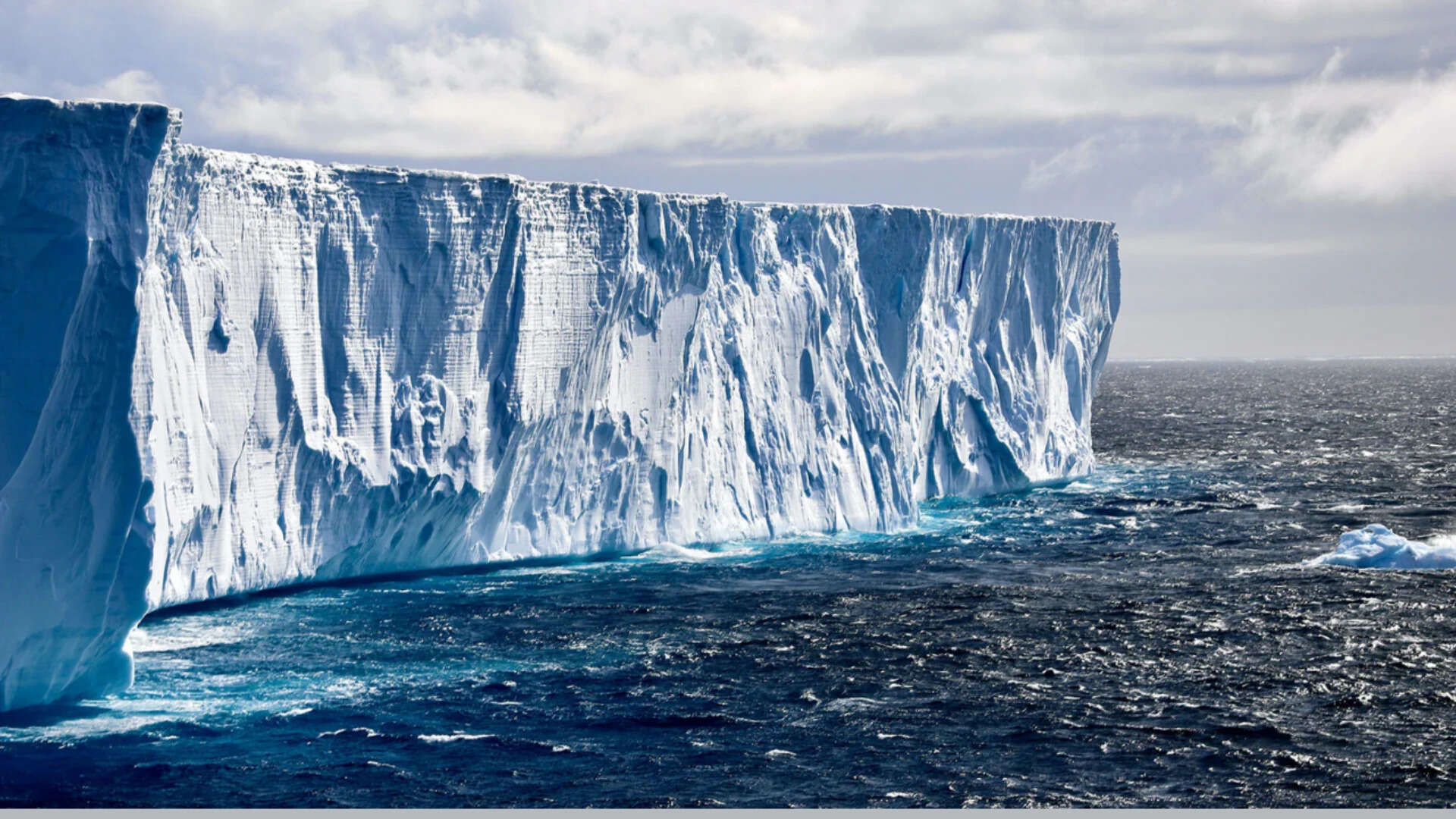
In a concerning discovery, scientists have identified nanoplastics in Antarctic soil for the first time, providing compelling evidence that plastic pollution has infiltrated even the planet's most remote and seemingly untouched environments. The study, published in Scientific Reports, focused on the McMurdo Dry Valleys, one of Antarctica's coldest and driest regions. Researchers found particles resulting from tire wear, alongside fragments of five other common plastics, embedded in the soil.
This finding challenges the long-held perception of Antarctica as a pristine wilderness, largely free from human impact due to its lack of permanent population and industrial activity. While macroplastics and microplastics have previously been found in Antarctic waters, sediments, and ice, the presence of nanoplastics in inland soils suggests a significant pathway for contamination: long-range atmospheric transport. This implies that tiny plastic particles can travel vast distances through the air, eventually settling in even the most isolated locations.
The detection of nanoplastics is particularly alarming because these particles, measuring less than one micrometer, are far smaller than microplastics. Their diminutive size allows them to remain suspended in the air more easily, potentially penetrate cell membranes, and act as carriers for other environmental pollutants. Scientists have already found nanoplastics in other remote areas like Greenland and the Alps, but the Antarctic soil discovery underscores the global reach of plastic pollution. Advances in detection technology made this study possible, overcoming previous analytical challenges in identifying these minuscule contaminants.
DistantNews Editorial
Originally published by Times of India in English. Translated, summarized, and contextualized by our editorial team with added local perspective. Read our editorial standards.
More Stories


From Our Blog

What Press Freedom Means for the News You Read

What Gets Lost (and Found) When News Is Translated

The Critical Role of Diaspora Media in Global News

What Travellers Should Know About Countries with Restricted Press

A Digital Nomad's Guide to Following Local News
