

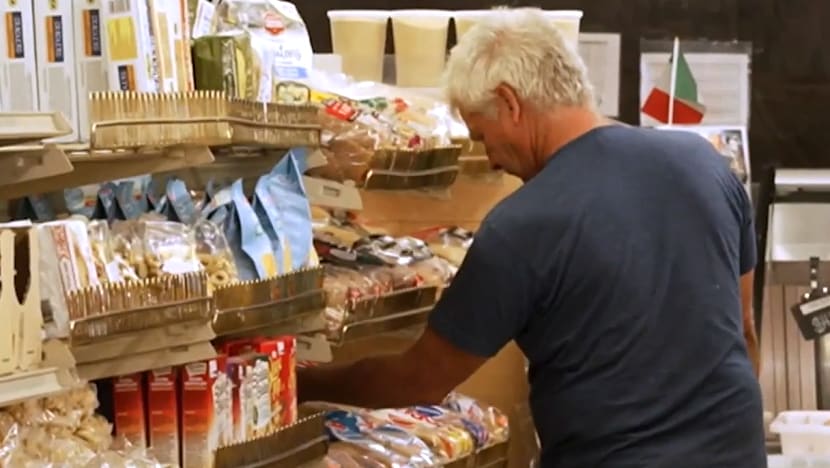

Naphtha Shortage Forces Packaging Changes, Price Hikes in Japan
Translated from English and summarized by DistantNews. Read the original for the full story.
At a glance
News
Named sources
Context piece
- Japan faces a shortage of naphtha, a key petroleum product, due to Middle East disruptions, impacting everyday goods.
- Manufacturers are altering packaging designs to black-and-white or using paper to reduce ink and plastic use, while some are increasing prices.
- The shortage has led to a significant rise in domestic naphtha prices and is beginning to affect retail costs for various products.
The ripple effects of global instability are hitting home in Japan, forcing everyday adjustments that highlight our reliance on imported resources. A shortage of naphtha, a crucial component derived from crude oil, is compelling manufacturers to rethink everything from potato chip packaging to spaghetti bands and coffee cup lids. The necessity to switch to simpler, black-and-white printing to save on ink, or to replace plastic with paper, underscores the fragility of our supply chains.
I can feel the ripple effect.
This isn't just an inconvenience; it's a stark reminder of Japan's vulnerability. With over 40% of our naphtha imports traditionally coming from the Middle East, disruptions in the Strait of Hormuz have immediate consequences. The dramatic 83.2% surge in domestic naphtha prices, as indicated by the Bank of Japan's index, translates directly into higher costs for consumers. Companies like Mizkan Holdings and Takanofoods are already announcing price hikes for staples like natto, and smaller businesses, such as ice pack manufacturers, are facing similar pressures.
There are signs of hoarding.
While the government strives to diversify import sources, the current situation reveals persistent bottlenecks. The impact is felt across various sectors, from food packaging to chemical products. The government's efforts to mitigate these issues are ongoing, but the immediate reality is one of adaptation and increased costs. This situation forces us to confront our dependence on foreign oil and the complex geopolitical factors that influence our daily lives, prompting a re-evaluation of resource management and supply chain resilience within Japan.
We are reviewing all packaging materials.
About this summary
Originally published by The Straits Times in English. Translated, summarized, and contextualized automatically by DistantNews, with a note on how the source frames the story. Not individually reviewed before publishing. How this works.
More Stories


From Our Blog

News in Translation: What Gets Lost, and How We Keep the Framing

Diaspora Media: How Communities Abroad Follow Home

Traveling Where the Press Is Not Free: How to Read the News There

The Digital Nomad's Guide to Local News

The Same Story, Different Countries: How Coverage Changes at the Border
