


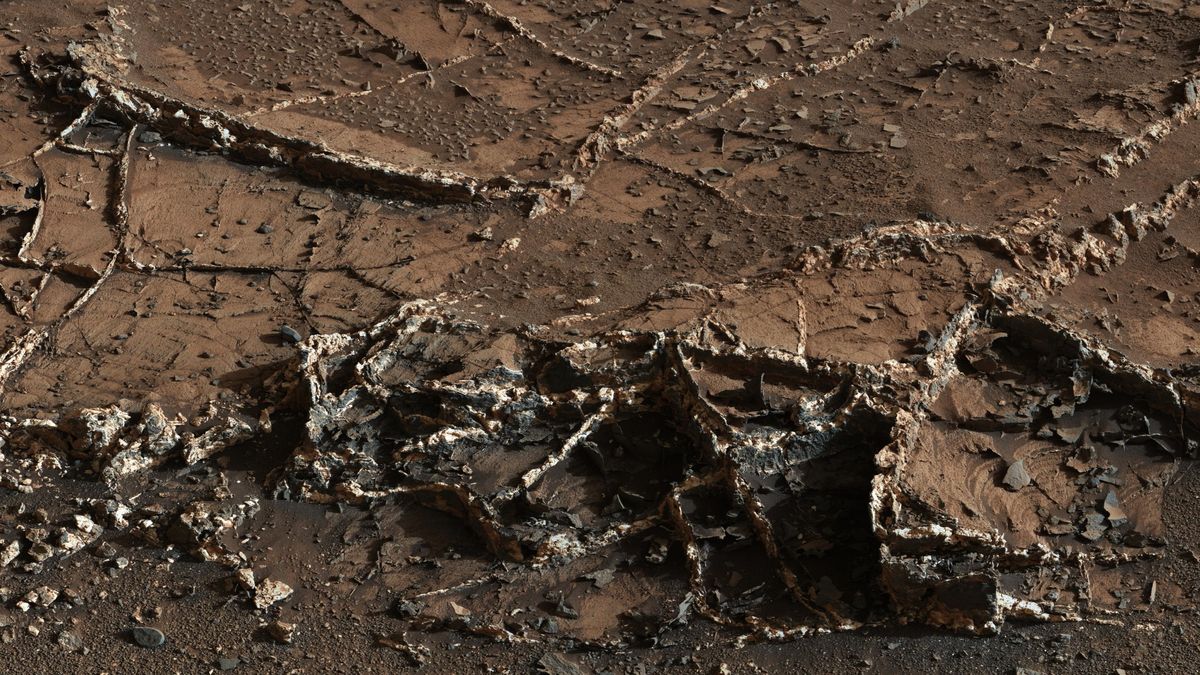
NASA Captures Images of Mars Dust Devils and Detects Organic Molecules
Translated from Hungarian, summarized and contextualized by DistantNews.
At a glance
News
Sources not specified
Context piece
- NASA's Mars orbiters have photographed valleys containing over 30 active dust devils, crucial for stirring Martian dust and shaping the planet's climate.
- Meanwhile, the Perseverance rover identified complex carbon-based organic molecules in Martian rock samples, fundamental building blocks of known life.
- While not direct proof of ancient microbial life, these findings reinforce the possibility of past habitability on Mars.
NASA's ongoing exploration of Mars continues to reveal fascinating atmospheric phenomena and potential signs of past habitability. Orbiting spacecraft have captured images of Martian valleys where more than 30 active dust devils, or "mini-tornadoes," were simultaneously observed. These powerful vortices play a significant role in lifting Martian dust into the atmosphere, thereby influencing the planet's global climate.
Simultaneously, on the surface, NASA's Perseverance rover has made a significant discovery within the Jezero Crater. The rover identified complex carbon-based organic molecules within Martian rock samples. These molecules are considered fundamental building blocks for life as we know it, adding another layer of intrigue to the search for extraterrestrial life.
While the presence of organic molecules does not constitute direct evidence of ancient microbial life on Mars, as these compounds can also form through non-biological processes, the discovery strongly supports the hypothesis that Mars may have once possessed habitable conditions. Scientists are diligently analyzing the data sent back by the Curiosity rover, which is also investigating unique geological features.
These findings, from both atmospheric activity and the detection of organic molecules, underscore Mars's dynamic past and its potential to have once harbored life. The ongoing analysis of data from various missions aims to piece together a more comprehensive understanding of the Red Planet's history and its potential for life.
DistantNews Editorial
Originally published by Magyar Nemzet in Hungarian. Translated, summarized, and contextualized by our editorial team with added local perspective. Read our editorial standards.
More Stories
From Our Blog

Countries Without a Free Press: What You Need to Know

What Press Freedom Means for the News You Read

What Gets Lost (and Found) When News Is Translated

The Critical Role of Diaspora Media in Global News

What Travellers Should Know About Countries with Restricted Press
