

National Assembly advances technical talks to modify school bullying law
Translated from Spanish, summarized and contextualized by DistantNews.
At a glance
News
Sources not specified
Ongoing story
- Panama's National Assembly is advancing technical discussions to amend the law on school bullying and youth violence.
- The review focuses on Law 289 and adjustments to Draft Law 84, aiming to correct structural flaws in the current legislation.
- Key aspects include establishing consequences for aggressors and those responsible for implementing regulations, and improving inter-institutional coordination.
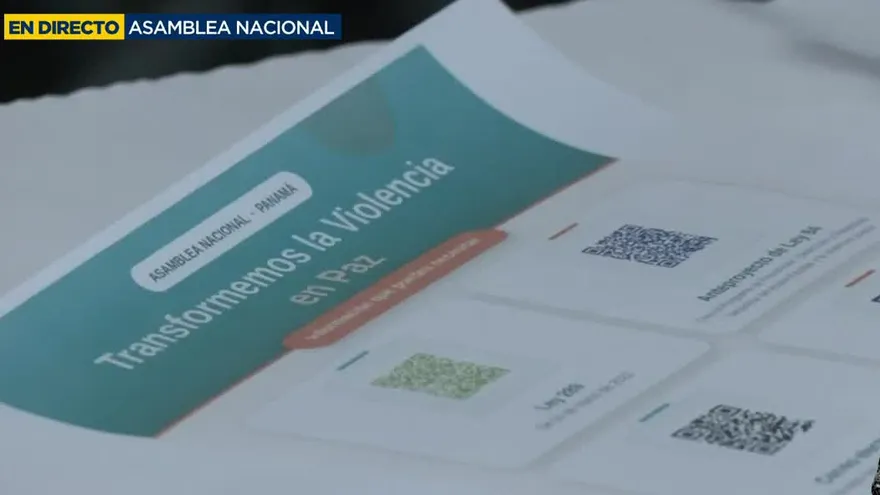
Panama's National Assembly is actively engaged in refining the legal framework surrounding school bullying and youth violence. A second technical working group convened recently to review and strengthen existing legislation, focusing on Law 289 and proposed adjustments to Draft Law 84. This initiative is currently before the Health Commission awaiting formal adoption.
The discussions brought together representatives from various key sectors. Government entities like the Ministry of Education (Meduca), the Ombudsman's Office, and the judicial branch's child welfare division participated. Civil society groups, parents, and the mothers of two students who formally championed the draft law were also actively involved.
the objective is to correct the legal gaps in Law 289 on School Bullying
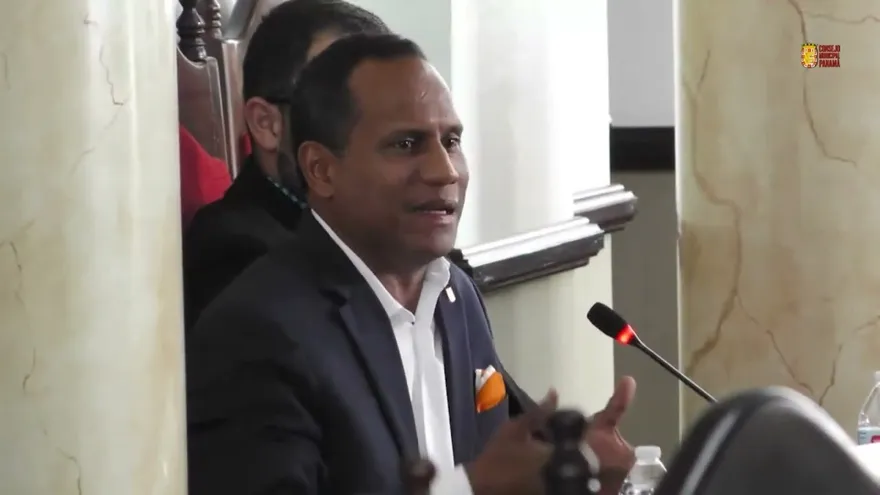
According to Deputy Grace Hernández, the work is structured into five thematic groups to ensure an efficient article-by-article review. The primary goal is to address the legal loopholes in Law 289, which, despite having protocols and policies, exhibits structural weaknesses in practical application. A significant focus is placed on defining clear consequences for both aggressors and the individuals responsible for enforcing regulations, with Hernández stressing that protocols are ineffective without sanctions for non-compliance.
The working groups also aim to enhance coordination among public institutions to ensure the system functions comprehensively and to foster shared responsibility with civil society. Following this phase, a more comprehensive document will be prepared for a third technical meeting, where the final text will be consolidated before being presented for debate in the full legislative session.
the protocols are not effective if sanctions are not established for their non-compliance.
DistantNews Editorial
Originally published by TVN Panamá in Spanish. Translated, summarized, and contextualized by our editorial team with added local perspective. Read our editorial standards.
More Stories
From Our Blog

What Gets Lost (and Found) When News Is Translated

The Critical Role of Diaspora Media in Global News

What Travellers Should Know About Countries with Restricted Press

A Digital Nomad's Guide to Following Local News

How the Same Story Looks Different in Different Countries
