

Nationwide 'heatwave shelters' increase 4.5-fold in 20 years
Translated from Korean, summarized and contextualized by DistantNews.
At a glance
News
Official statement
Context piece
- South Korea has significantly increased the number of public "heatwave shelters" over the past 20 years, with about 93,375 now operating nationwide.
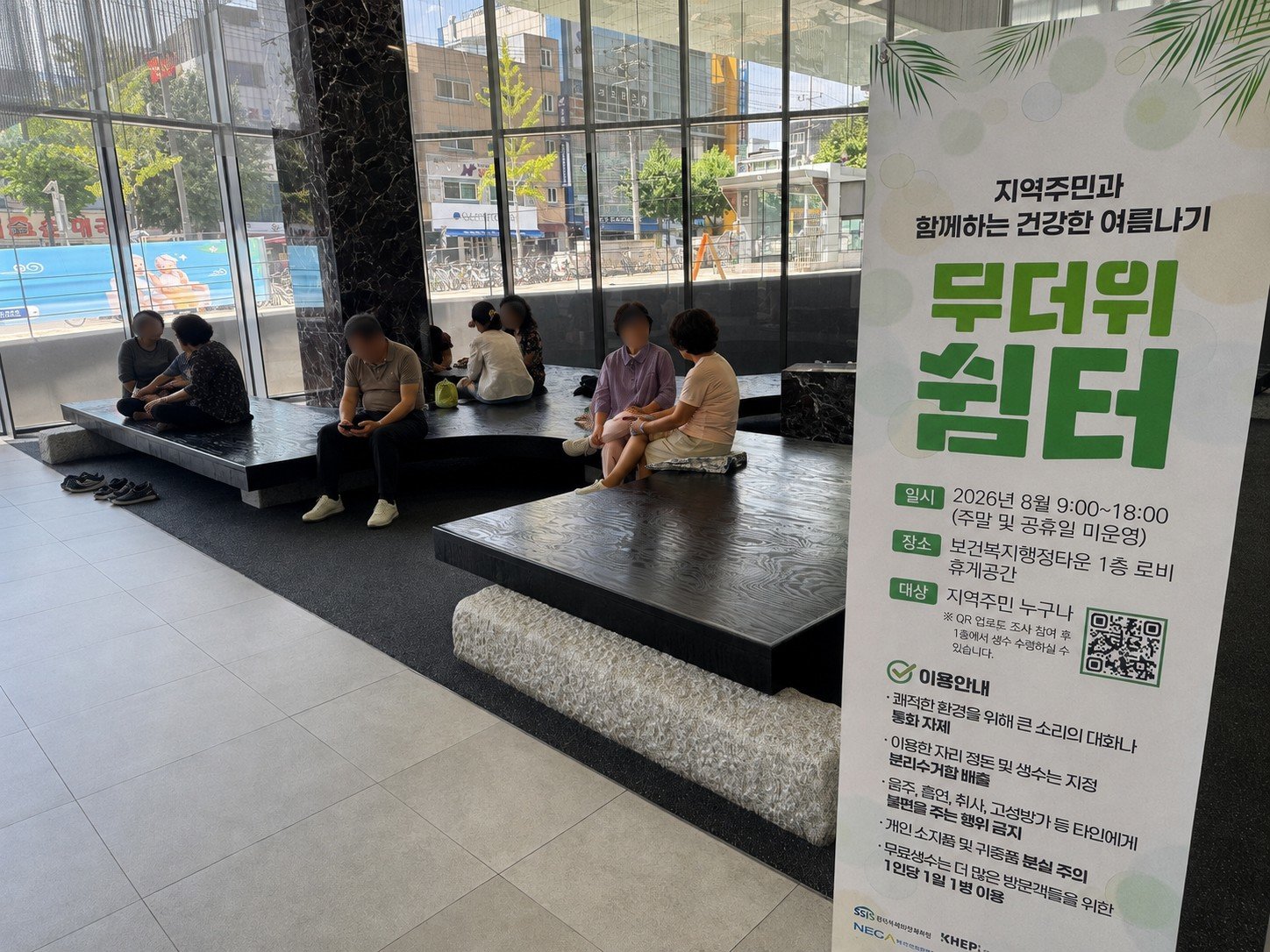
- These shelters, including community centers and other public facilities, aim to provide relief from extreme heat, especially for vulnerable populations.
- The number of shelters has grown 4.5 times since 2006, reflecting a growing effort to combat the impacts of heatwaves.
South Korea has expanded its network of public "heatwave shelters" dramatically, with approximately 93,375 facilities now operational across the country. This represents a 4.5-fold increase from the 20,048 shelters available in 2006, highlighting a sustained effort to protect citizens from extreme heat over the past two decades.
The shelters are established in various locations, including community centers, traditional Korean elder centers (gyoro-dang), private facilities, and specialized shelters for the homeless and mobile workers. The majority, numbering 70,045, are gyoro-dangs, followed by 15,908 in private, everyday-life-contact facilities, and 7,373 in public institutions.
This initiative, initially launched as part of the "Comprehensive Heatwave Response Plan" in 2006 by the predecessor to the Ministry of the Interior and Safety, aimed to provide vulnerable groups, such as the elderly living alone, access to cooling facilities. The expansion reflects a growing awareness and proactive approach to mitigating the health risks associated with increasingly severe heatwaves.
DistantNews Editorial
Originally published by Dong-A Ilbo in Korean. Translated, summarized, and contextualized by our editorial team with added local perspective. Read our editorial standards.
More Stories



From Our Blog

What Gets Lost (and Found) When News Is Translated

The Critical Role of Diaspora Media in Global News

What Travellers Should Know About Countries with Restricted Press

A Digital Nomad's Guide to Following Local News

How the Same Story Looks Different in Different Countries
